Asia Morning Briefing: ZEC Gains Momentum Beyond What Public On-Chain Evidence Supports
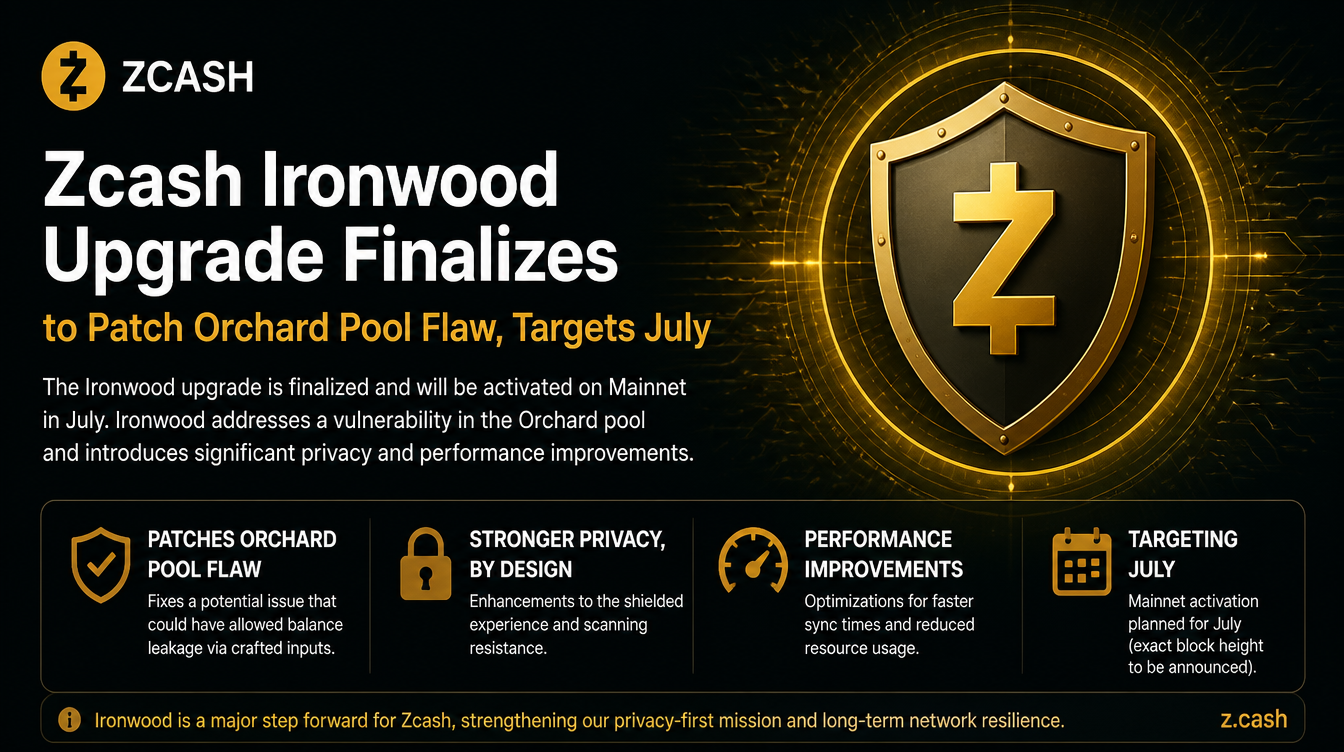
Zcash’s rapid climb continues to outpace anything visible on-chain, fueling speculation that its surge may be driven more by positioning and sentiment than by genuine network expansion. While Monero maintains steady baseline demand typical of privacy-focused assets, Zcash’s price performance appears increasingly detached from observable activity.
Good morning, Asia. Here’s what’s moving markets today:
Zcash (ZEC $492.54) has become one of the year’s standout performers, delivering sizable returns even as bitcoin and ether have pulled back. Yet the limited network data available offers little indication that user participation or transactional throughput is rising at a scale that would justify such an aggressive rally.
Because of Zcash’s hybrid privacy model, only the transparent portion of the network can be directly analyzed — and that segment, largely driven by exchange-related flows, has shown little variability. Shielded activity, where amounts and addresses are hidden, remains unmeasurable, making it difficult to verify whether private-side adoption is truly accelerating.
The only clear spike in visible activity came during the short-lived Zerdinals inscription craze, when daily transactions briefly exceeded 70,000. Even then, the number of unique transparent senders remained between 8,000 and 14,000, implying that the surge was driven by a small cluster of high-frequency users rather than broad-based engagement. Once inscriptions faded, transparent activity quickly normalized.
Behind the scenes, however, Zcash has seen a steady migration of supply into the Orchard shielded pool. Shielded balances have grown from roughly 1.2 million to more than 4 million ZEC over several years, and fully shielded transactions have reached record levels. Upgrades such as Unified Addresses, automatic shielding, and Zashi’s default-private interface are quietly encouraging greater use of the shielded ecosystem — activity that, by design, leaves no public trace.
If a sector-wide pivot into privacy coins were unfolding, Monero’s metrics would likely reflect it. Yet Monero’s daily transaction count remains anchored in the 20,000–30,000 range, showing no parallel increase in demand. That stability suggests ZEC’s rally is not part of a wider privacy revival but rather a Zcash-specific rotation driven by supply dynamics, liquidity conditions, and a strengthening narrative around its improving private-use UX.
Both networks ultimately show limited evidence of rising user numbers. Zcash’s transparent data reflects no meaningful uptick in participation, and shielded activity — while growing — cannot be quantified. With roughly 30% of ZEC’s supply now locked in shielded pools and therefore inaccessible to exchanges, reduced float may be pushing prices ahead of what fundamentals can currently support.
Without clear confirmation from wallet activity, bridge usage, or broader ecosystem growth, traders may be pricing in scarcity more than adoption.
Market Overview
BTC: Trading near $86,800 after giving back its Nvidia-driven spike above $93,000
ETH: Around $2,850, under pressure from renewed selling by FG Nexus
Gold: Near $4,077, about 7% below October’s peak but still up more than 50% YTD
Nikkei 225: Down 1.58% as strong October inflation revived expectations of BOJ tightening and concerns around yen weakness
Additional Headlines
• Crypto lobbying groups urge Trump to intervene amid congressional leadership uncertainty (CoinDesk)
• Ray Dalio says he still holds bitcoin but remains wary of quantum-related risks and traceability issues (Decrypt)
• MegaETH to open pre-deposits for its USDm stablecoin next week (The Block)
Share this content: