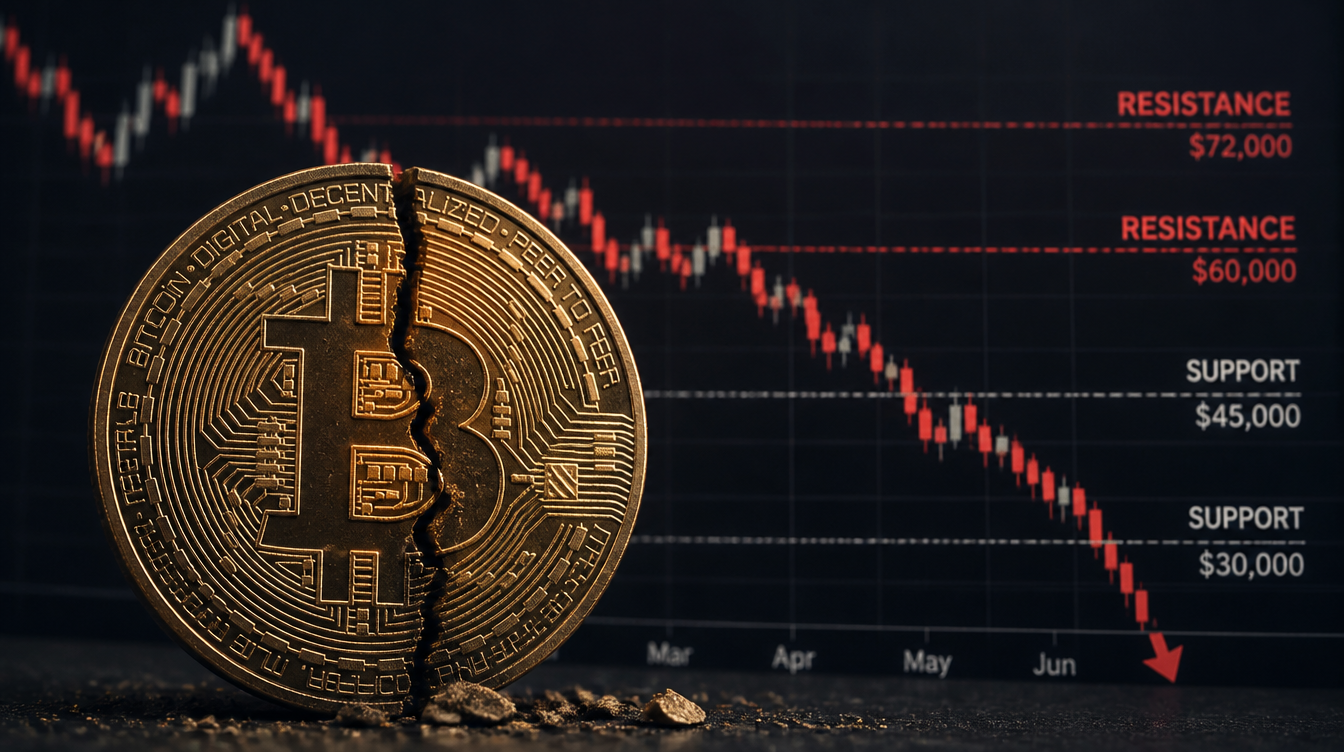
After the Drop: Bitcoin Reaches Extreme Bear-Market Levels as Uncertainty Builds
Bitcoin has entered a valuation zone historically associated with the depths of bear markets, but analysts caution that the path to recovery may be far from straightforward.
Two widely followed indicators suggest the market is approaching capitulation. Data from Checkonchain show bitcoin recently traded near its 200-week moving average, a long-term trendline often viewed as a key support level by long-term investors. Based on the firm’s valuation model, BTC is now trading within the lowest 10% of its historical valuation range—a level reached only during the most severe bear-market periods.
Sentiment is equally bleak. The Crypto Fear & Greed Index has fallen to 9, firmly in extreme-fear territory, down from 11 a week ago and 48 a month earlier. The index measures market sentiment using factors such as volatility, trading volumes and social-media activity.
Historically, such conditions have emerged when panic selling is largely exhausted. However, Checkonchain warns that market bottoms rarely form immediately after capitulation. Instead, they are often followed by extended periods of sideways price action that gradually wear down investors who remain in the market.
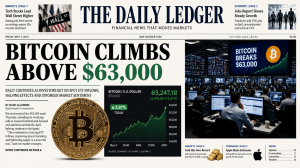
Bitcoin briefly fell below $60,000 this week for the first time since 2024 before recovering. It was trading at $62,623 on Thursday, up 1.9% over the previous 24 hours but still lower for the week as persistent ETF outflows continued to drain liquidity from the market.
The broader cryptocurrency market also posted modest gains. Ether rose 1.4% to $1,651, BNB gained 1.3% to $595, Solana added 0.9% to $65 and Dogecoin advanced 1.1% to $0.085. XRP was the only major token in negative territory on the day, slipping 0.3% to $1.12. Despite the rebound, all major cryptocurrencies remain down over the past seven days, with Ether and XRP leading losses at 6.5% and 7.5%, respectively.
Macroeconomic conditions continue to complicate the outlook. U.S. consumer prices rose 0.5% in May from the previous month and 4.2% from a year earlier, marking the fastest annual increase since early 2023. Higher energy prices, fueled by escalating tensions involving Iran, were a major driver of the increase.
The core inflation reading, which excludes food and energy prices, rose 0.2% and came in below economists’ forecasts, offering the lone positive takeaway from an otherwise stronger-than-expected inflation report.
“Hopes for U.S. regulatory clarity have faded again, with Polymarket odds of the Clarity Act passing in 2026 dropping from 62% to 48% this week,” Yves Renno, Head of Trading at Wirex, told CoinDesk.
Investors are now focused on the Federal Reserve’s June 16–17 policy meeting. According to Renno, the central bank’s tone could determine whether bitcoin rebounds toward the $68,000-$72,000 range or breaks decisively below the $60,000 level.
Risk sentiment has also deteriorated across traditional markets. Global equities fell to their lowest levels in more than a month as a technology-led selloff deepened and renewed military tensions involving Iran unsettled investors.
MSCI’s All Country World Index dropped to its lowest level since May 5, while its Asia-Pacific benchmark declined 0.8% to a three-week low. Brent crude climbed 1.8% to around $95 per barrel, while expectations of tighter monetary policy continued to push borrowing-cost forecasts higher worldwide. The European Central Bank is widely expected to deliver its first interest-rate increase since September 2023 later on Thursday.
Share this content: