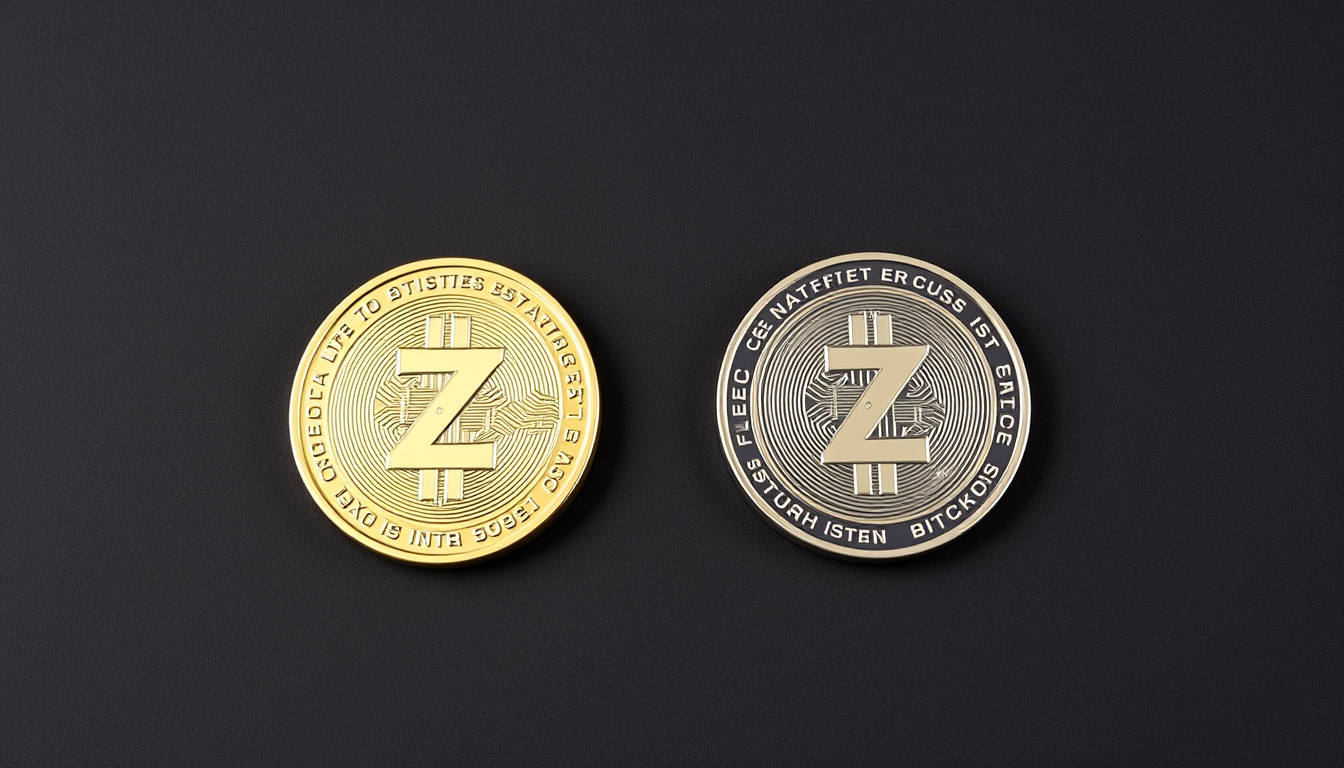
ZEC Developers Test 25-Second Blocks Ahead of NU7 Upgrade
Zcash has activated the NU7 upgrade on its public testnet at block 4,465,026, cutting the network’s target block interval from 75 seconds to 25 seconds. If platforms continue to require three confirmations, the estimated waiting period would decrease to roughly 75 seconds from 225 seconds. The change is currently being tested and does not yet apply to the mainnet.
The testnet uses coins with no monetary value, allowing developers and infrastructure operators to test the new protocol without involving real ZEC. NU7 also introduces changes to the network’s fee and reward structure. Sixty percent of transaction fees will go to a future-reward reserve, while the per-block reward will be reduced to one-third to maintain the planned ZEC issuance schedule. The upgrade will also disable Sprout transactions.
ZEC/USD is down 2.5% over the past 24 hours and is trading slightly above $1,300. Despite the daily decline, the token has gained more than 30% over the past 30 days, ranking among the strongest-performing crypto assets through September.
Zcash Moves Toward 25-Second Blocks
The public testnet launch precedes the planned November rollout of NU7. If the upgrade reaches mainnet, Zcash will target a 25-second block interval, allowing blocks to be produced three times as frequently as under the current 75-second target.
At three confirmations, that change could reduce the theoretical waiting period from 225 seconds to about 75 seconds. Actual transaction processing can vary, however, because block production is not fixed and exchanges, wallets and other services can set their own confirmation requirements.
The shorter interval is part of a broader protocol update. NU7 will allocate 40% of transaction fees to miners and direct the remaining 60% to the future-reward reserve. The block reward will also be reduced to one-third.
Another significant change is the removal of Sprout transactions, Zcash’s oldest privacy system. Users holding funds that rely on Sprout will need to transfer them before mainnet activation if they want to retain spending access.
Faster block production could reduce the time merchants and exchanges wait for additional confirmations. However, three confirmations are only an example of a service policy and should not be treated as a universal requirement or a guarantee of finality.
The testnet provides developers and infrastructure providers with a safe environment to assess the changes because its coins have no monetary value. Operators can examine network behavior and verify their systems before the new rules potentially affect real transactions.
Zakura released its implementation on October 1, followed by the Zcash Foundation’s test version of Zebra on October 2. Both major node implementations now support the NU7 trial, meaning operators must use compatible software to participate in the upgraded network.
The testing process is evaluating more than the speed of block production. It also allows services and node operators to check software compatibility, infrastructure performance and confirmation policies before any mainnet deployment.
October 20 Review Ahead of November 5 Target
Developers are expected to review the testnet results on October 20 and determine whether the upgrade is ready for mainnet activation. November 5 remains the target date, although no specific activation block has been announced.
The testnet activation does not guarantee that NU7 will launch on the mainnet on November 5. If the upgrade proceeds, its impact on Zcash payments and deposits will depend on network performance, compatible software adoption and the confirmation thresholds chosen by individual providers.
The roughly 75-second estimate assumes services maintain a three-confirmation policy. It represents a potential improvement under that assumption rather than a guarantee that every wallet or exchange will credit ZEC within 75 seconds.
Share this content: