In a rare twist, Bitcoin outpaces gold as hawkish Fed signals and rising oil prices drive risk-off sentiment.
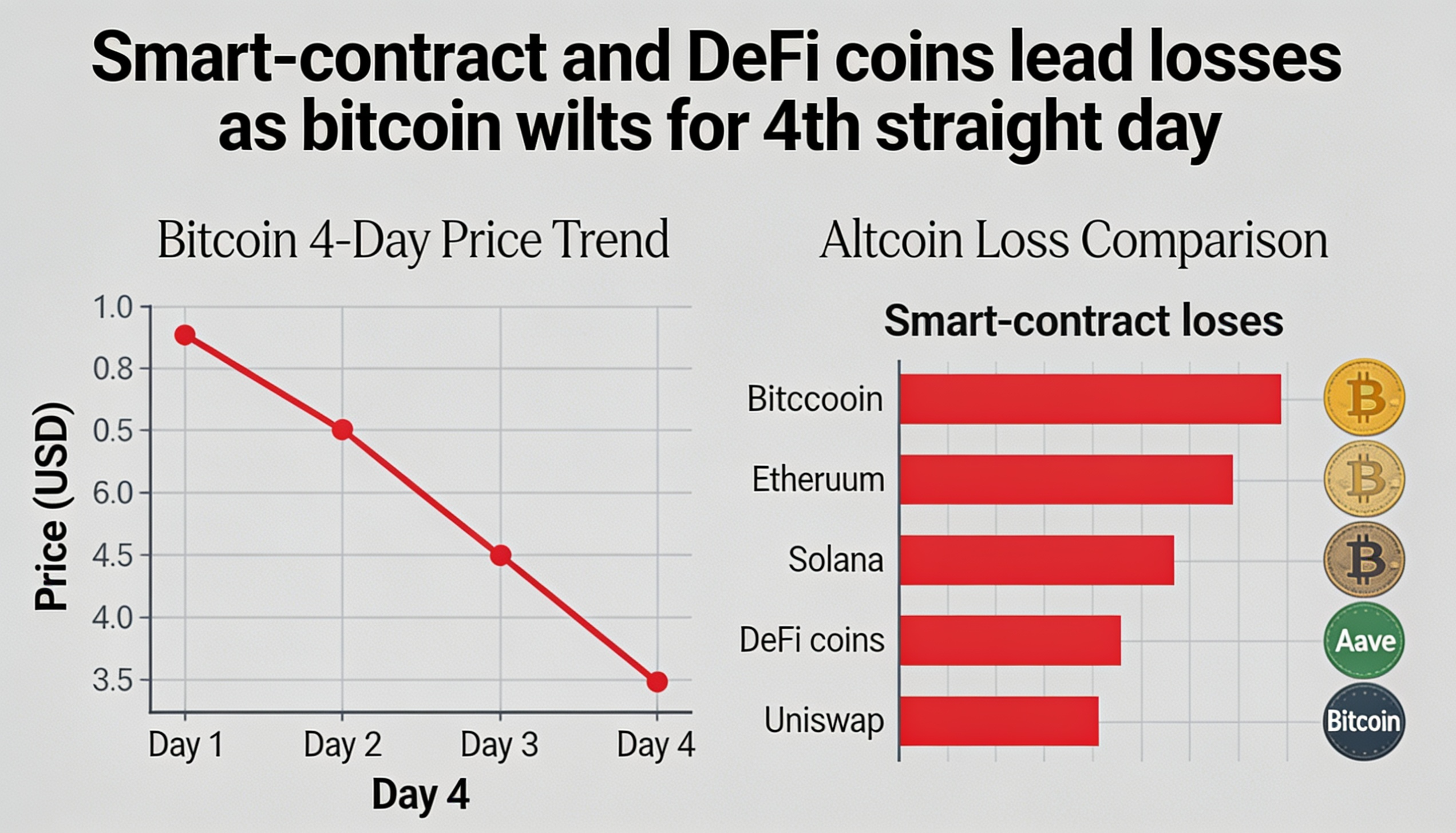
Bitcoin slipped about 2%, but still held up better than precious metals as oil prices surged and hawkish messaging from the Federal Reserve intensified risk-off sentiment across markets.
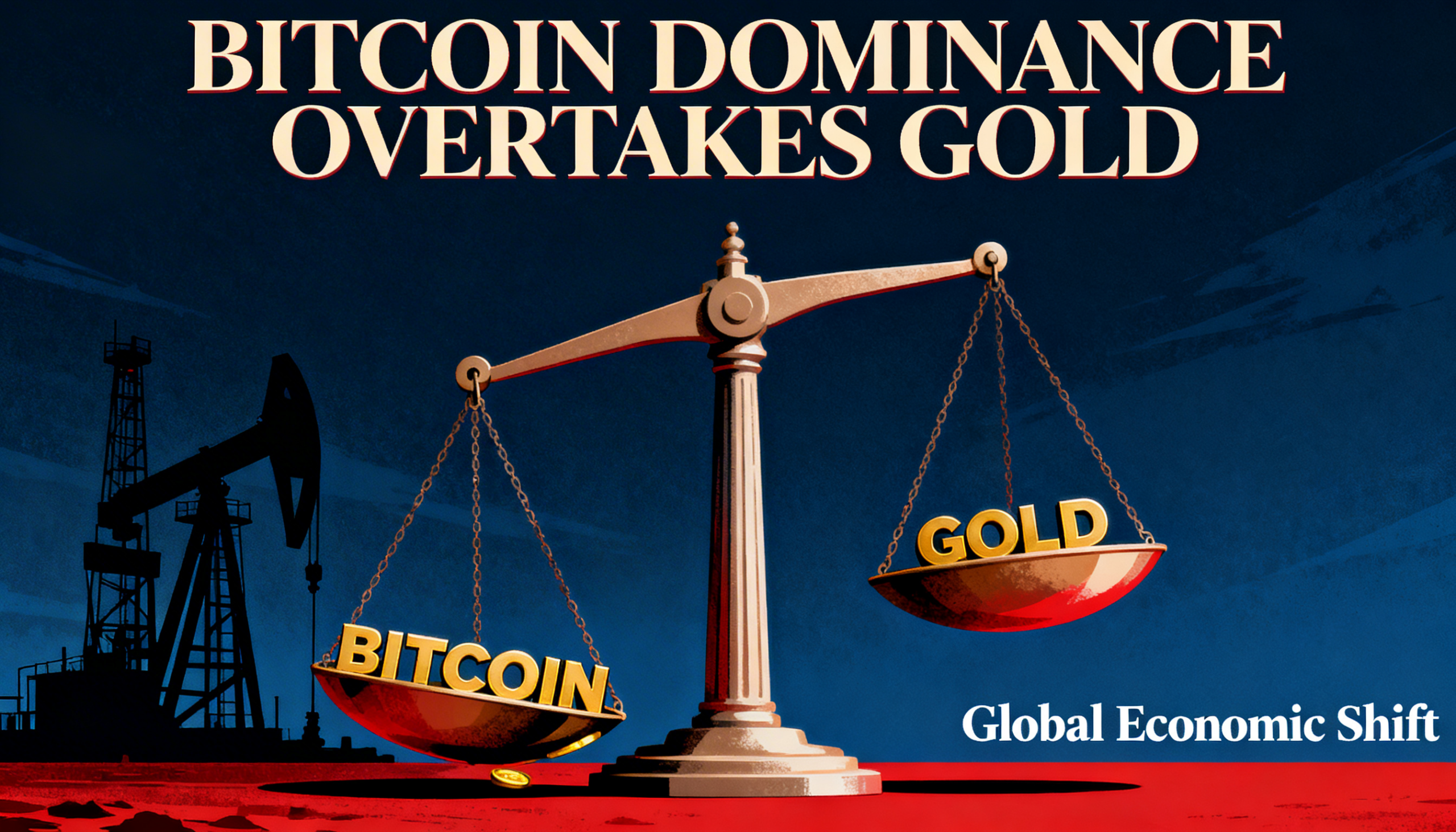
Despite the broader pullback, Bitcoin has been outperforming gold, which fell roughly 2% since midnight UTC—double the decline seen in the leading cryptocurrency. The divergence pushed the BTC-to-gold ratio higher by about 1% over the past 24 hours, with one bitcoin now equivalent to roughly 15 ounces of gold.
Part of gold’s weakness stems from its earlier rally. The metal had already surged sharply—nearly doubling over the past year—before geopolitical tensions in the Middle East escalated, leaving it in overbought territory and vulnerable to a pullback even as uncertainty increased.
Since the conflict began, Bitcoin and gold have moved in opposite directions. While Bitcoin—often dubbed “digital gold”—had previously dropped around 50% since October, leaving it oversold, it has since rebounded to become one of the better-performing assets outside the energy sector. Meanwhile, gold has slipped about 17% from its January peak, approaching bear-market territory.
Macro conditions are also weighing on markets. The Fed struck a more hawkish tone in its latest policy communication, pushing back against expectations for near-term rate cuts and tightening financial conditions.
Risk assets have reacted accordingly. U.S. equities traded lower in premarket hours, with the Invesco QQQ Trust down about 0.5%. Crypto-linked stocks also declined, including MicroStrategy, Galaxy Digital, and Coinbase.
At the same time, escalating tensions involving Iran have driven Brent crude prices up more than 6% in the past 24 hours to around $117 per barrel. The widening spread between Brent and West Texas Intermediate—now the largest since 2013—points to supply disruptions and logistical bottlenecks, adding to inflationary pressures and complicating the outlook for central banks.
Share this content: