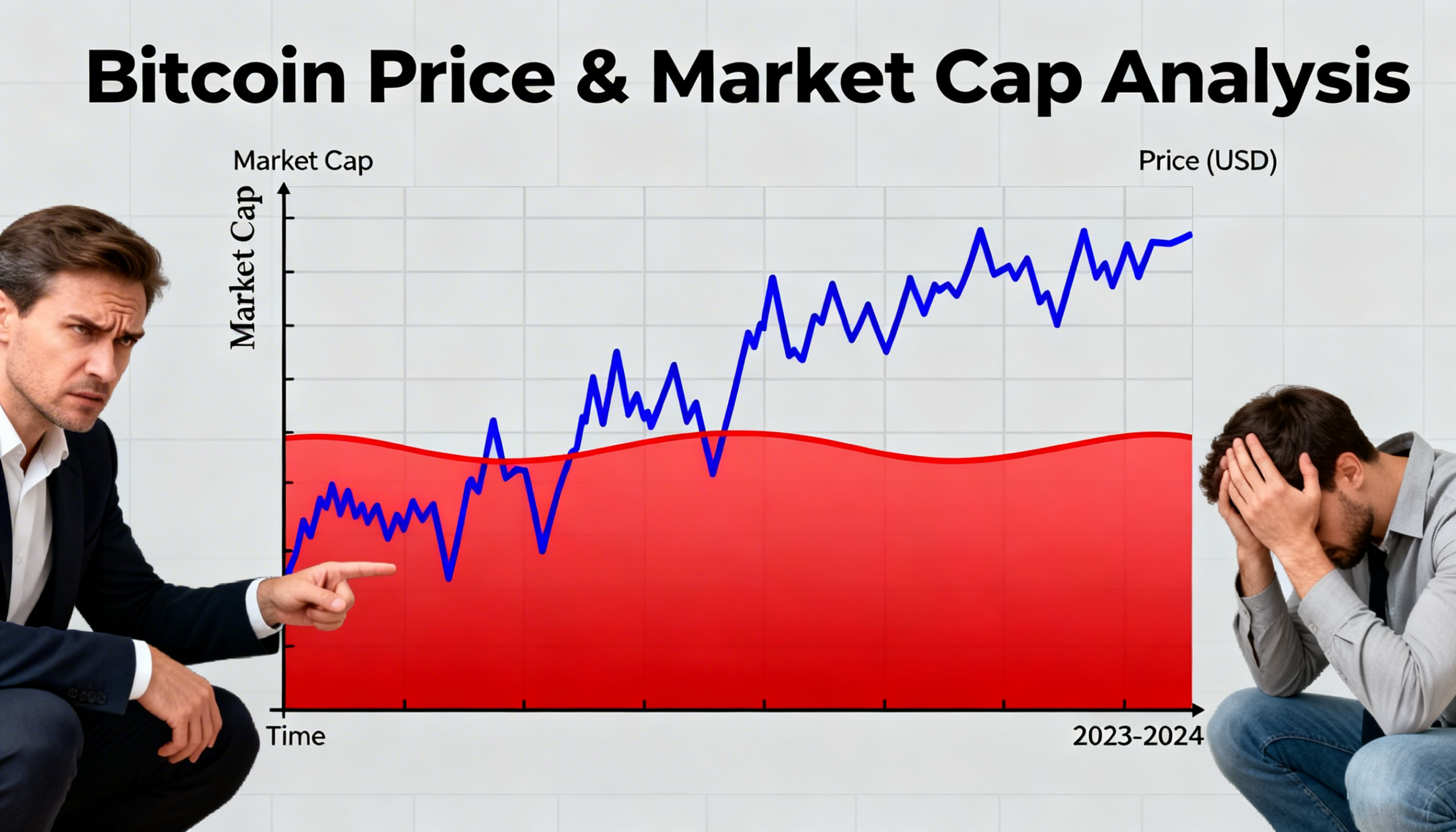
Close to 50% of all bitcoin in circulation is in the red, with long-term holders selling below cost.
Nearly half of all bitcoin is now underwater, with the Bitcoin Impact Index spiking to 57.4 — a level that signals elevated stress across the market.
According to data cited by CEX.IO, close to 50% of circulating BTC is currently trading below its acquisition price. The Bitcoin Impact Index, which tracks financial pressure across different investor cohorts using on-chain data, ETF and derivatives activity, and liquidity flows, surged 13 points in the week ending March 28 — its sharpest rise since January.
With readings capped at 100, the index has now entered the “high impact” zone, a range historically associated with broad market selloffs and double-digit declines, such as those seen in 2018, 2022 and earlier this year.
Long-term holders — defined as wallets holding BTC for more than six months — have seen a rapid shift in fortunes. Just a week ago, when bitcoin traded above $70,000, these investors were sitting on profits. Now, more than 4.6 million BTC, or roughly 30% of their holdings, are underwater. Realized losses among this group last week were the largest since 2023.
CEX.IO flagged the divergence between weakening prices and declining on-chain conviction as a potential warning sign. Similar patterns were observed in mid-2018 and mid-2022, both of which preceded price drops exceeding 25%.
Short-term holders are also under pressure. The report estimates that around 47% of the total bitcoin supply is currently held at a loss — levels last seen during February’s peak stress period.
At the same time, capital flows that had supported the market earlier in the month have reversed. Stablecoin flows, which previously averaged daily inflows of $250 million, have flipped to outflows of roughly $292 million. ETFs and miners have also shifted from accumulation to selling, adding further pressure to the market.
Despite the rising stress, one key indicator of full capitulation remains absent. On-chain data shows that investors are not yet moving large amounts of bitcoin onto exchanges — a behavior typically seen during panic-driven selloffs.
Share this content:


