Clarity Act Stalls as Lawmakers Run Out of Time Before Summer Break
Here’s a fresh rewrite with a sharper, publication-style flow:
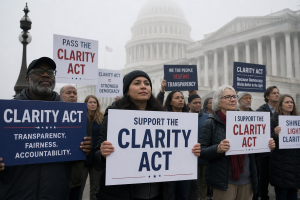
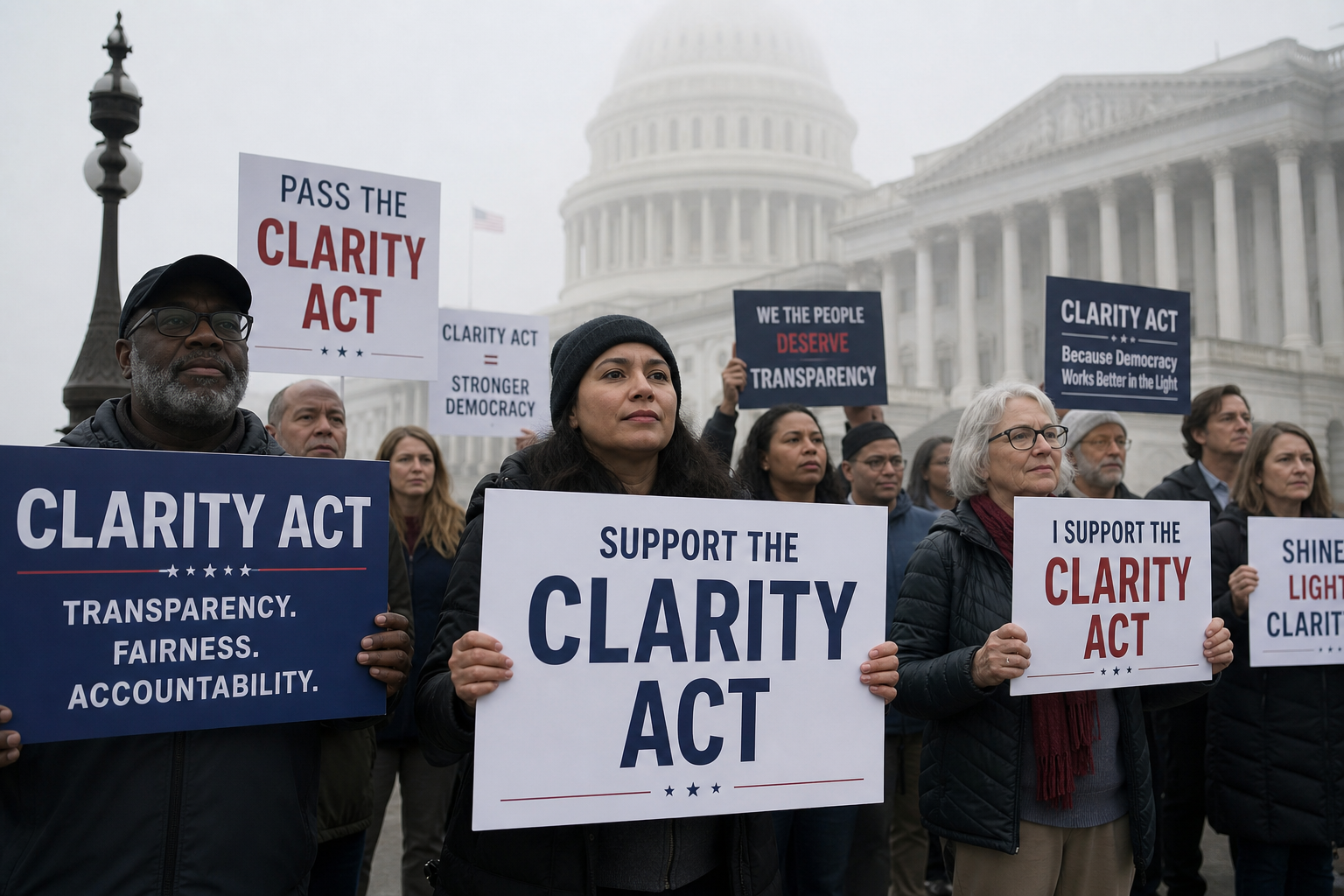
The Senate is unlikely to finish work on the crypto market structure bill before the upcoming summer recess, Senate Majority Leader John Thune said. However, he suggested lawmakers could still begin the process of advancing the Digital Asset Market Clarity Act before leaving Washington.
Crypto advocates and congressional negotiators had identified August 7 as a key deadline for completing the bill, believing that missing that window would make passage in 2026 significantly harder. That deadline now appears likely to slip.
Thune said he wants to get the Clarity Act “started” on the Senate floor before the break, but acknowledged that progress will depend on whether supporters can secure enough votes.
Launching the process before recess could preserve a chance for action during the Senate’s limited September session. However, lawmakers will soon face increased pressure from the November midterm elections, while other legislative priorities compete for limited floor time.
The bill has also become more politically challenging since the latest draft was released. Members of both parties have raised concerns, with many Democrats objecting to provisions related to restrictions on crypto involvement by senior government officials, including President Donald Trump.
Industry leaders had hoped the Senate could complete the legislation within weeks, but delays into later months could weaken its chances of becoming law this year.
Thune’s team said the Senate’s immediate priority is expected to be a bipartisan package involving sanctions on Russian officials and tariffs on trading partners. The proposal, previously supported by Senator Lindsey Graham, is expected to receive attention before the chamber turns fully toward recess.
White House crypto adviser Patrick Witt offered a more optimistic assessment, saying the first week of August could still provide an opportunity for Senate action. While he acknowledged that a July vote is unlikely, he argued the bill should not yet be considered stalled.
With the November elections approaching, lawmakers are expected to spend much of the summer campaigning. Congress will return briefly in September, but even Senate approval would not guarantee success, as the House would still need to pass the measure.
The Clarity Act remains the crypto industry’s top policy goal, with supporters arguing that it would establish a lasting regulatory framework for digital assets in the United States.
Still, the legislation faces significant hurdles, including the Senate’s 60-vote threshold and disagreements over issues such as stablecoin yield provisions and government ethics rules.
Senator Cynthia Lummis, a key figure in negotiations, said the most disputed sections remain open to revisions that could help attract Democratic support.
Supporters hope that beginning Senate floor debate could create momentum and encourage lawmakers to resolve outstanding issues. Whether that happens will depend on whether leadership can secure enough time before the summer break.
Share this content: