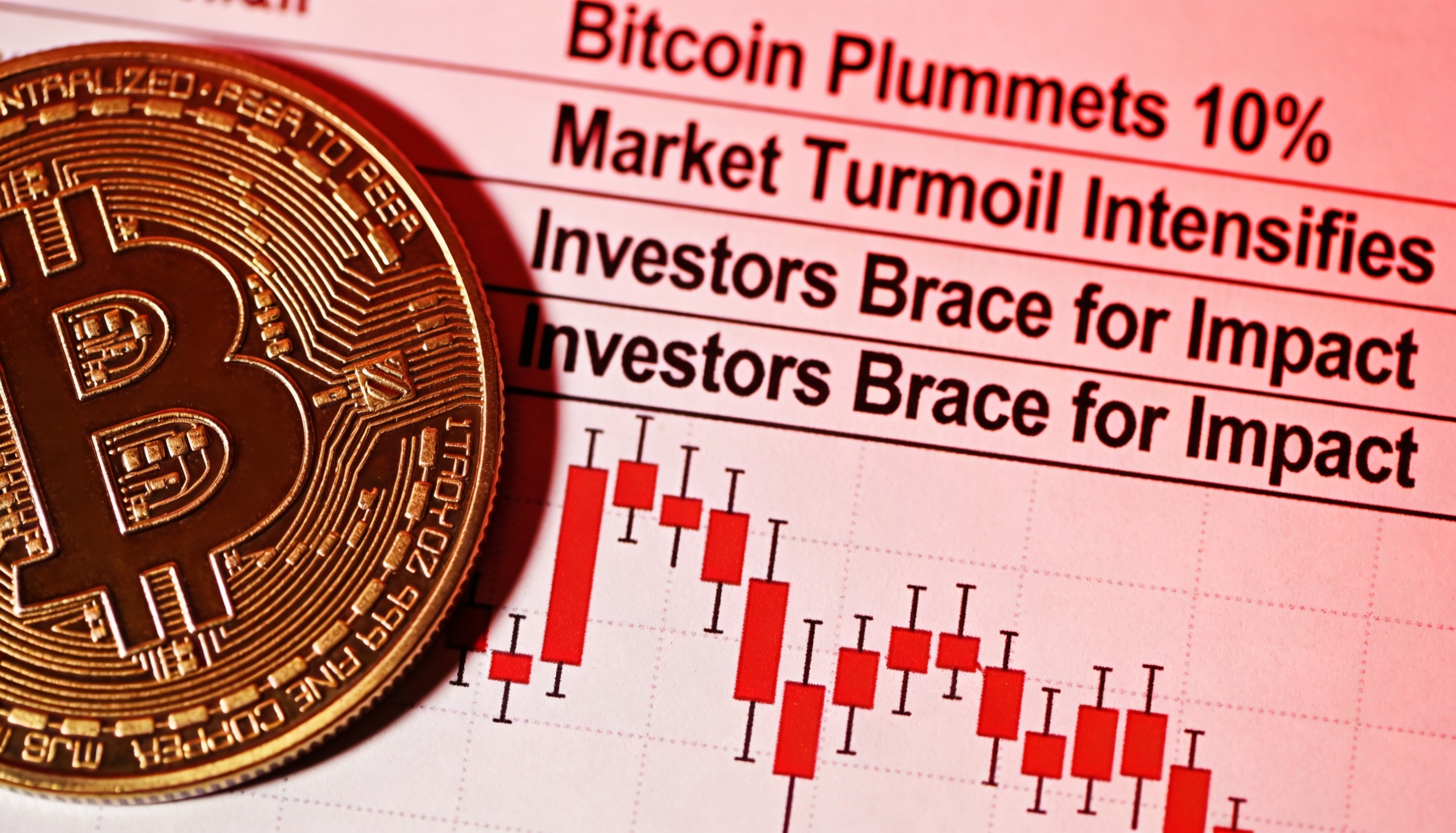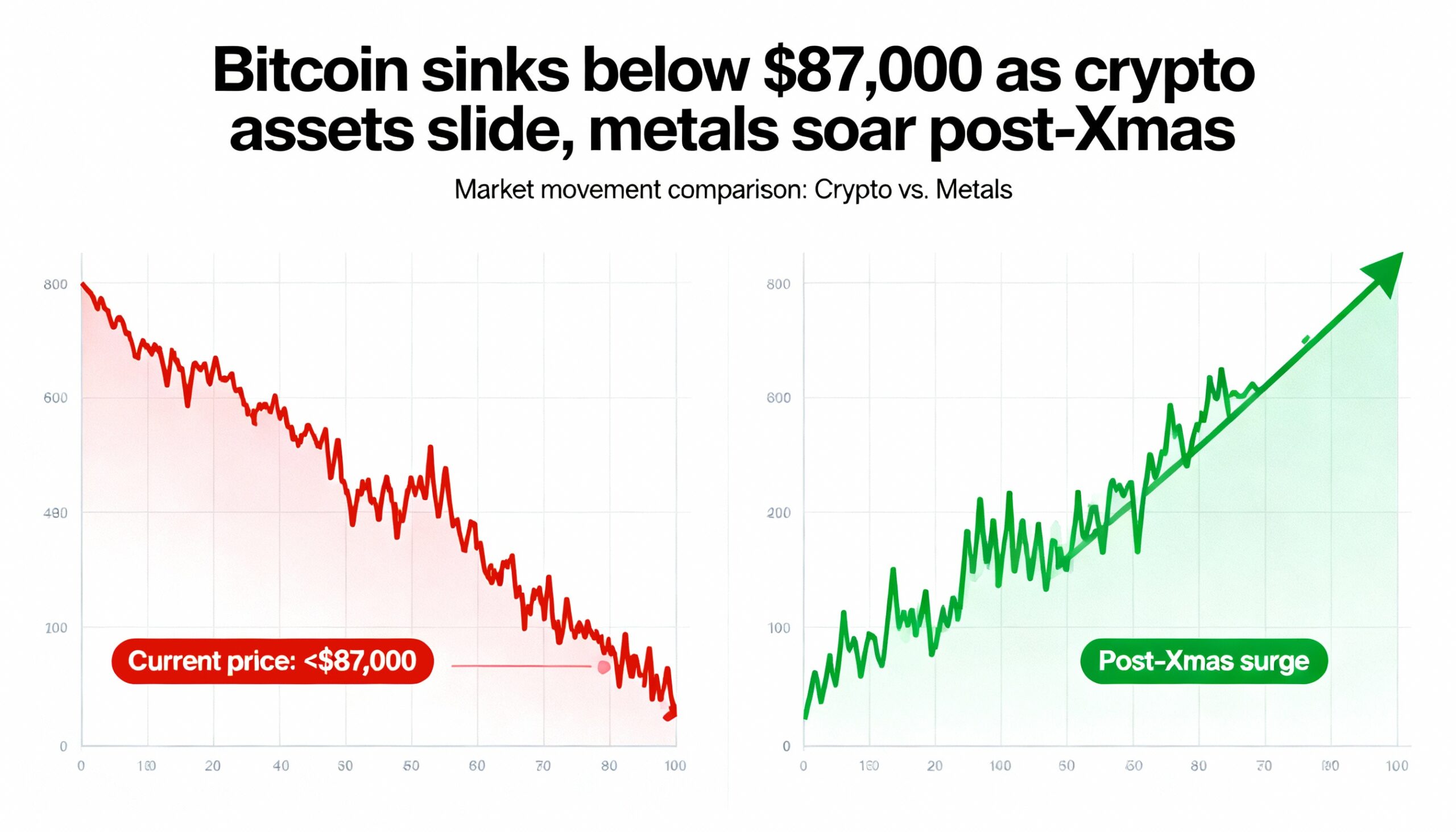
Bitcoin dips below $87,000 while crypto assets retreat and metals climb after the holidays
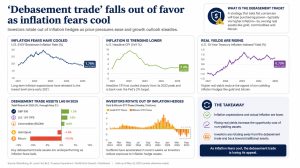
Metals rallied to new record highs on Friday, attracting capital away from bitcoin as investors favored hard assets amid ongoing currency debasement concerns and rising geopolitical tensions.
The strength in metals stood in contrast to renewed weakness across crypto markets. In a familiar pattern as U.S. trading resumed after the Christmas holiday, bitcoin quickly gave back modest overnight gains. After briefly moving above $89,000 while U.S. markets were closed, the cryptocurrency reversed course at the open, slipping back below $87,000.
As crypto prices softened, metals extended a rally that has increasingly positioned them as an alternative to bitcoin within the global debasement trade. The move was also underpinned by heightened geopolitical risk, following U.S. strikes on Islamic State targets in Nigeria on Christmas Day and increased pressure on Venezuela after Washington blocked sanctioned oil tankers.
Platinum and palladium led the advance, each rising more than 10%, while silver and copper gained around 5%. Gold climbed 1.5% to $4,573 an ounce.
U.S. equity markets were little changed in early trading, with the Nasdaq, S&P 500 and Dow Jones Industrial Average all hovering near flat.
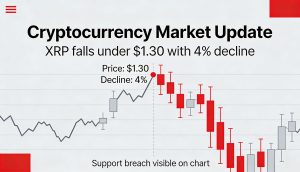
Bitcoin was down 1.6% over the past 24 hours, with ether posting similar losses. Major altcoins underperformed, led by dogecoin, down more than 4%, and XRP, which fell 3%.
Crypto-linked equities also traded lower. Coinbase (COIN) outperformed peers with a roughly 2% decline after being named one of Clear Street analyst Owen Lau’s top fintech ideas for 2026. Gemini (GEMI) fell 6%, Bullish (BLSH) slid 3.8% and Galaxy Digital (GLXY) dropped 3.5%.
Bitcoin miners were among the session’s weakest performers, including firms that have pivoted toward AI infrastructure. IREN (IREN), Cipher Mining (CIFR), Terawulf (WULF) and Marathon Digital (MARA) fell more than 5%, while Hut 8 (HUT), which had recently rallied on enthusiasm around its AI strategy, led losses with a 7.5% decline.
Share this content: