A drop in Bitcoin’s hash rate coincides with energy price spikes caused by the Iran conflict
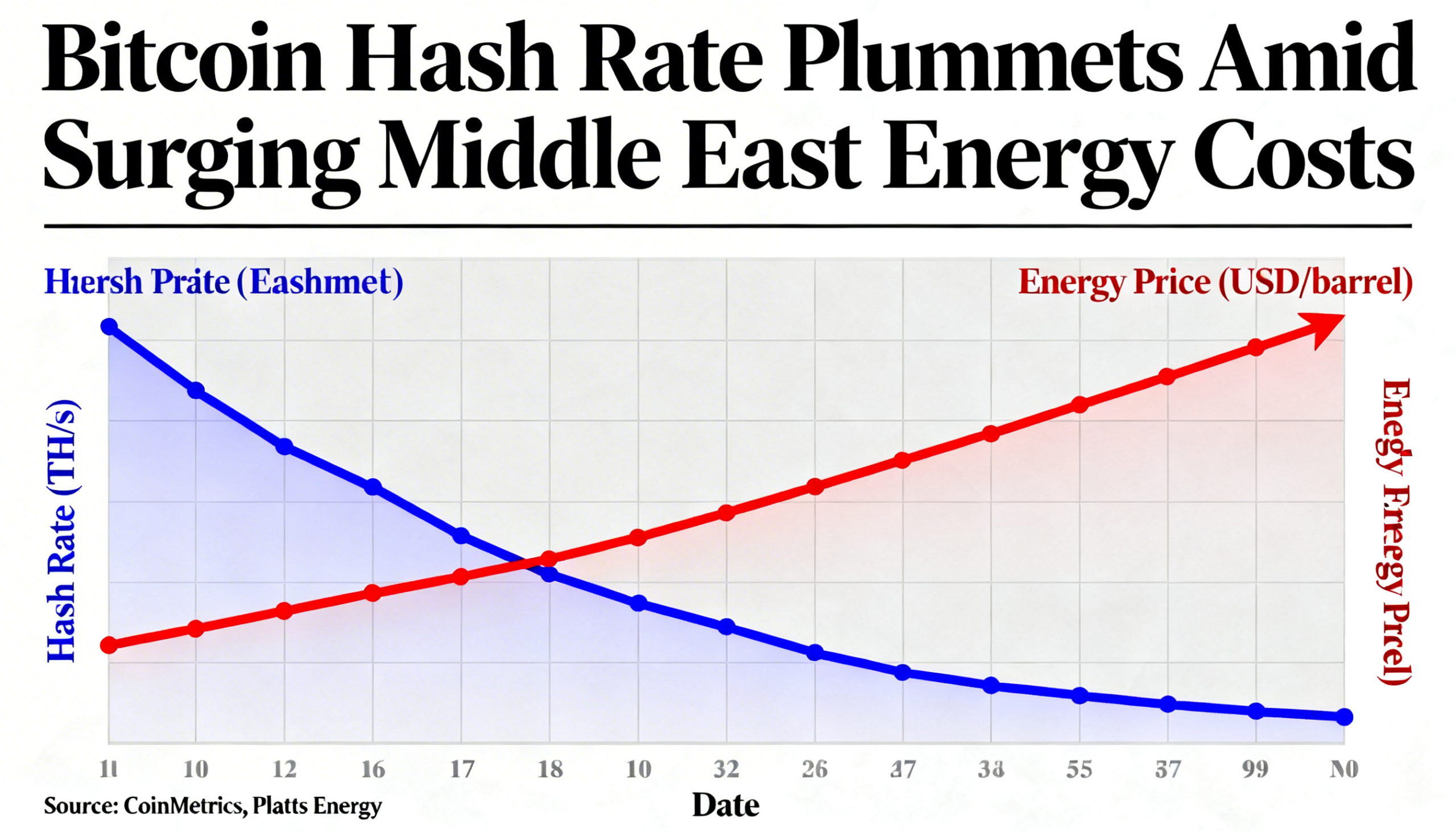
Bitcoin’s hash rate is slipping sharply as the ongoing Middle East conflict drives energy costs higher, intensifying pressure on miners and the wider market.
The decline in hash rate—down roughly 8% over the past week to 920 EH/s—is largely attributed to geopolitical tensions surrounding the Iran war and surging oil prices. Analysts note that 8% to 10% of global bitcoin mining operates in energy markets particularly sensitive to price swings.
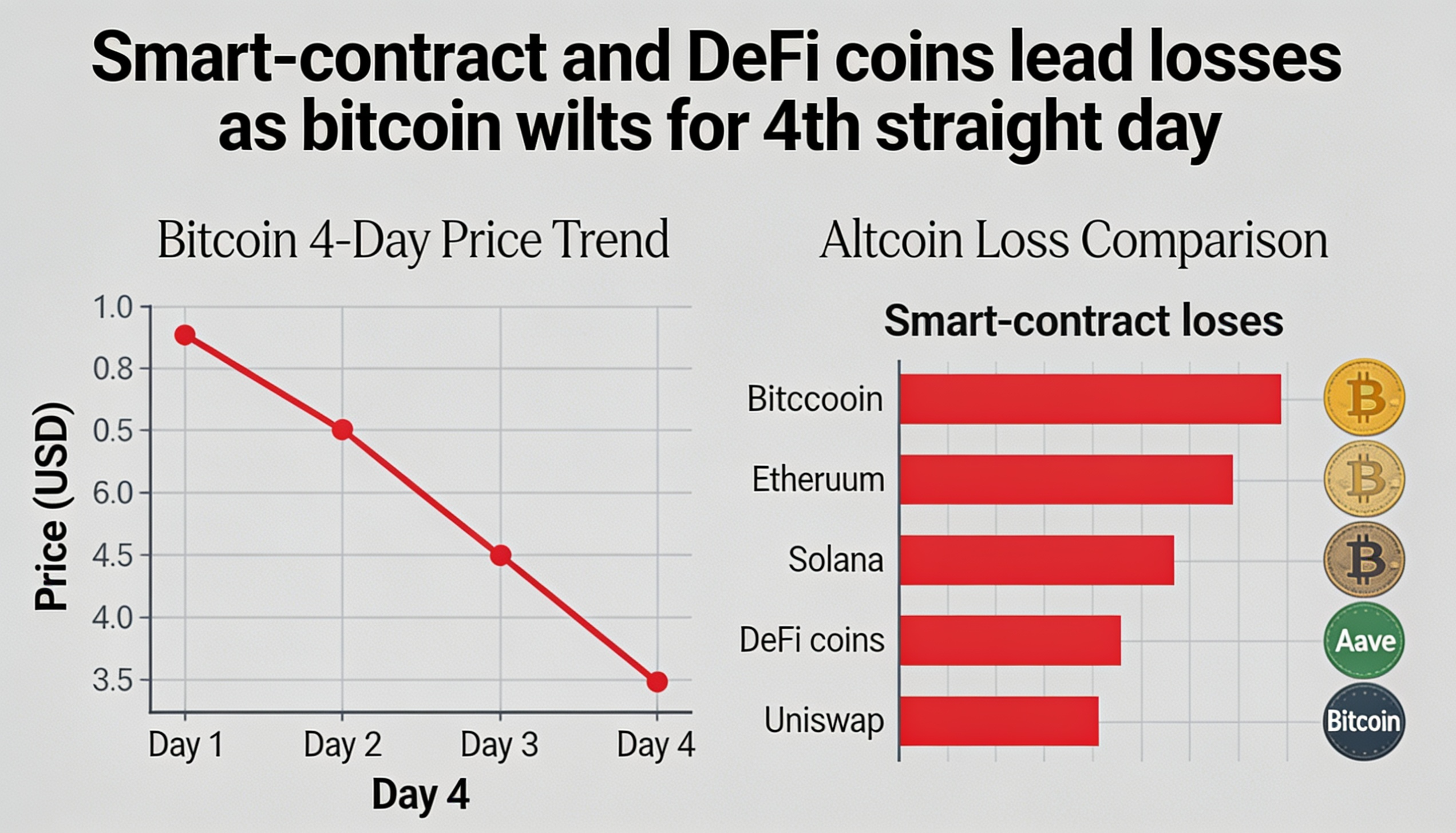
This downturn may signal the onset of another miner capitulation phase, historically linked to downward pressure on bitcoin’s price. The cryptocurrency is currently trading below $72,000, around 5% off Monday’s high.
In response to the drop in hash rate, the network is set for an approximately 8% downward difficulty adjustment, potentially the second-largest negative shift in the past five years, according to mempool.space. This follows one of the largest difficulty declines recorded in mid-February, underscoring the volatility in mining activity.
Persistently low transaction fees, rising competition, and bitcoin price swings have squeezed miner margins. Many publicly traded miners have responded by diversifying into AI and high-performance computing, while increasing bitcoin sales to support operations—moves that act as an additional headwind for bitcoin’s price.
Share this content: