PHP Attack Puts Crypto Holders on Alert: Is It Time to Secure Your Assets?
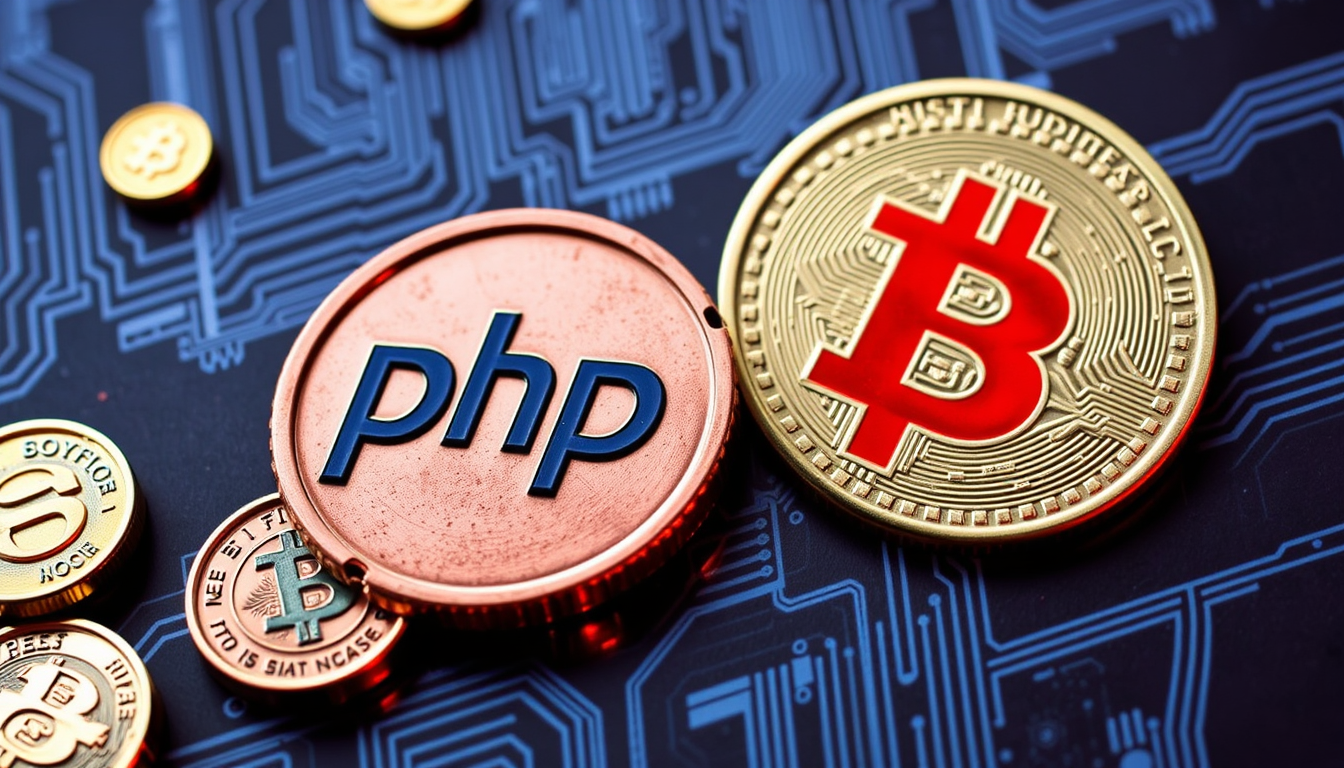
The FBI, NSA, and Cybersecurity and Infrastructure Security Agency (CISA) have issued an urgent advisory calling on organizations to patch two critical PHP vulnerabilities linked to the PHP2Shell threat. The flaws could allow attackers to execute malicious code on vulnerable servers without authentication, potentially gaining control of affected systems. Because PHP underpins a vast number of websites and online applications, the warning has raised questions about whether cryptocurrency investors should withdraw funds from exchanges or sell their digital assets.
The vulnerabilities, identified as CVE-2026-109618 and CVE-2026-109619, each carry a critical CVSS v4.0 severity score of 9.2. Security authorities have urged administrators to install the relevant patches as soon as possible.
Cryptocurrency exchanges, wallet providers, and decentralized finance (DeFi) platforms could face risks if their web infrastructure runs affected PHP software. However, the vulnerabilities do not automatically compromise Bitcoin, Ethereum, or private keys stored securely offline.
Could PHP2Shell Put Your Cryptocurrency at Risk?
PHP powers many websites and applications that manage user accounts, authentication processes, and financial transactions. If attackers exploit these flaws, they could potentially run unauthorized code on vulnerable servers, exposing sensitive information or creating opportunities for further attacks.
On October 21, 2026, the PHP Foundation released security updates for versions 8.5.12, 8.4.27, 8.3.36, and 8.2.35. Administrators should install the appropriate fixes, while organizations using managed hosting services should confirm that their providers have addressed the vulnerabilities.
Cloudflare has also reported malicious traffic targeting its customers and introduced web application firewall protections to help block harmful requests. While these defenses can reduce exposure, they do not eliminate the need to patch vulnerable systems.
For crypto investors, the important distinction is between a potential security weakness and a confirmed breach. If hackers compromise an exchange’s backend, they could potentially access customer information or threaten account security, depending on the extent of their access. However, the disclosure of PHP2Shell does not establish that any specific exchange has been breached.
Should You Withdraw Funds or Sell Your Bitcoin?
Investors should not automatically sell their Bitcoin or withdraw all their cryptocurrency simply because PHP2Shell has been disclosed. The vulnerability does not mean that every exchange account or self-custody wallet is compromised.
Transferring funds from an exchange to a personal wallet may reduce certain platform-related risks, but the process carries its own challenges. Withdrawal fees, incorrect addresses, phishing scams, and weaknesses in the destination wallet can introduce additional dangers. Moving assets to another platform without verifying its security may simply shift the risk elsewhere.
Selling cryptocurrency is a separate financial decision. A vulnerability in server software does not necessarily signal an impending decline in Bitcoin or Ethereum prices. Selling solely because of a cybersecurity headline could result in unnecessary losses if the threat never affects the investor’s holdings.
Instead, users should check official security notices from their exchanges and wallet providers, review account activity for suspicious transactions, and determine whether their login credentials or recovery phrases may have been exposed.
If a provider confirms that customer accounts or funds have been affected, investors should follow its verified security instructions and assess their individual circumstances before deciding whether to transfer their assets.
Ledger Hardware Wallet Concerns Are a Separate Matter
The PHP2Shell warning comes alongside separate concerns about hardware wallet security.
An October 12 report covered Ledger’s investigation into a hardware implant discovered in at least one device associated with the CryptoBilis reseller. The incident was linked to reported cryptocurrency thefts, with estimates suggesting approximately $93 million in losses across 311 wallets on five blockchain networks. These figures remain estimates rather than a verified final loss total.
The Ledger investigation is unrelated to PHP2Shell. While the PHP flaws affect server software, the Ledger case concerns possible hardware supply-chain tampering. Neither incident proves that all Ledger devices are compromised.
Hardware wallets can help keep private keys away from internet-connected systems, but their security also depends on purchasing devices from trustworthy sources, protecting recovery phrases, and verifying transaction details before signing.
Practical Steps to Protect Your Crypto Holdings
Investors can improve their security without making unnecessary financial moves.
- Install official updates: Keep relevant software and wallet applications updated using verified sources.
- Check account activity: Look for unfamiliar transactions, unexpected transfers, or unauthorized token approvals.
- Secure recovery phrases: Never disclose a seed phrase or enter it on a website, even when someone claims to provide technical support.
- Verify hardware wallet purchases: Follow the manufacturer’s official advice if a device came from a reseller connected to a security investigation.
- Respond to confirmed exposure: If a recovery phrase has been compromised, create a new wallet with a fresh seed phrase on a trusted device and securely transfer any remaining assets.
- Follow security advisories: Monitor official announcements from exchanges, wallet manufacturers, and cybersecurity agencies to identify affected services.
Organizations operating vulnerable PHP systems should prioritize installing the necessary patches. Individual investors should focus on confirming their own exposure rather than assuming every newly disclosed vulnerability requires an immediate withdrawal.
PHP2Shell is a serious server-security threat, but it does not automatically mean cryptocurrency exchanges have been hacked or wallets have been compromised. There is no need to cash out or withdraw funds solely because of the disclosure. Checking provider announcements, securing account credentials, and responding to verified incidents offer a more targeted way to protect digital assets.
Share this content: