Weakness in Bitcoin versus traditional assets brings quantum computing risks back into view.
Quantum Fears Resurface as Bitcoin Lags, But Analysts Point to Market Forces
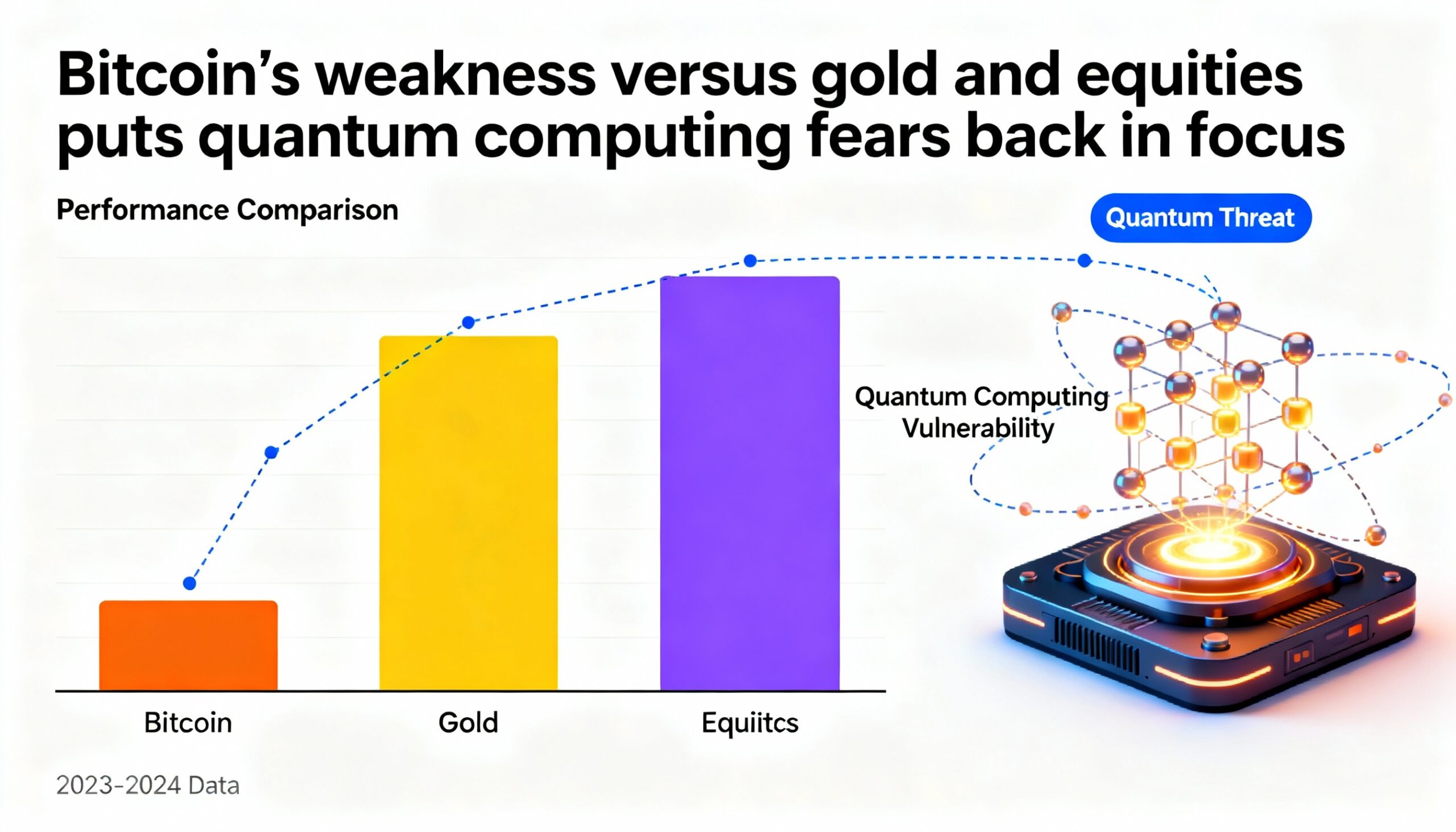
Bitcoin’s recent weakness has reignited debate over quantum computing risks, though analysts say traditional market dynamics are the main drivers.
On Thursday, gold climbed 1.7% to a record $4,930 an ounce and silver surged 3.7% to $96, while Bitcoin slipped to just above $89,000—about 30% below its early-October peak. Since Trump’s November 2024 election win, Bitcoin has fallen 2.6%, while silver gained 205%, gold 83%, the Nasdaq 24%, and the S&P 500 17.6%.
Castle Island Ventures partner Nic Carter sparked the discussion, attributing Bitcoin’s “mysterious” underperformance to quantum computing and calling it “the only story that matters this year.”
But many analysts remain unconvinced. @Checkmatey, an onchain analyst at Checkonchain, argued that sideways price action reflects supply and positioning, not futuristic risks. “Gold has a bid because sovereigns are buying it instead of treasuries,” he said. “Bitcoin saw significant sell-side pressure from HODLers, which explains the move.”
Investor Vijay Boyapati agreed, noting that recent weakness is tied to whales unlocking large amounts of Bitcoin around key price levels.
Quantum computing could theoretically break Bitcoin’s cryptography using algorithms like Shor’s, but developers say such machines remain decades away. Blockstream co-founder Adam Back called the threat “extremely remote,” and Bitcoin Improvement Proposal 360 outlines a gradual migration to quantum-resistant addresses if needed.
Some traditional finance figures are taking notice. Jefferies strategist Christopher Wood recently removed Bitcoin from a model portfolio, citing quantum computing as a long-term risk. Analysts stress that even if a solution were needed, upgrades would take years—making quantum computing an unlikely driver of short-term price action
Share this content: