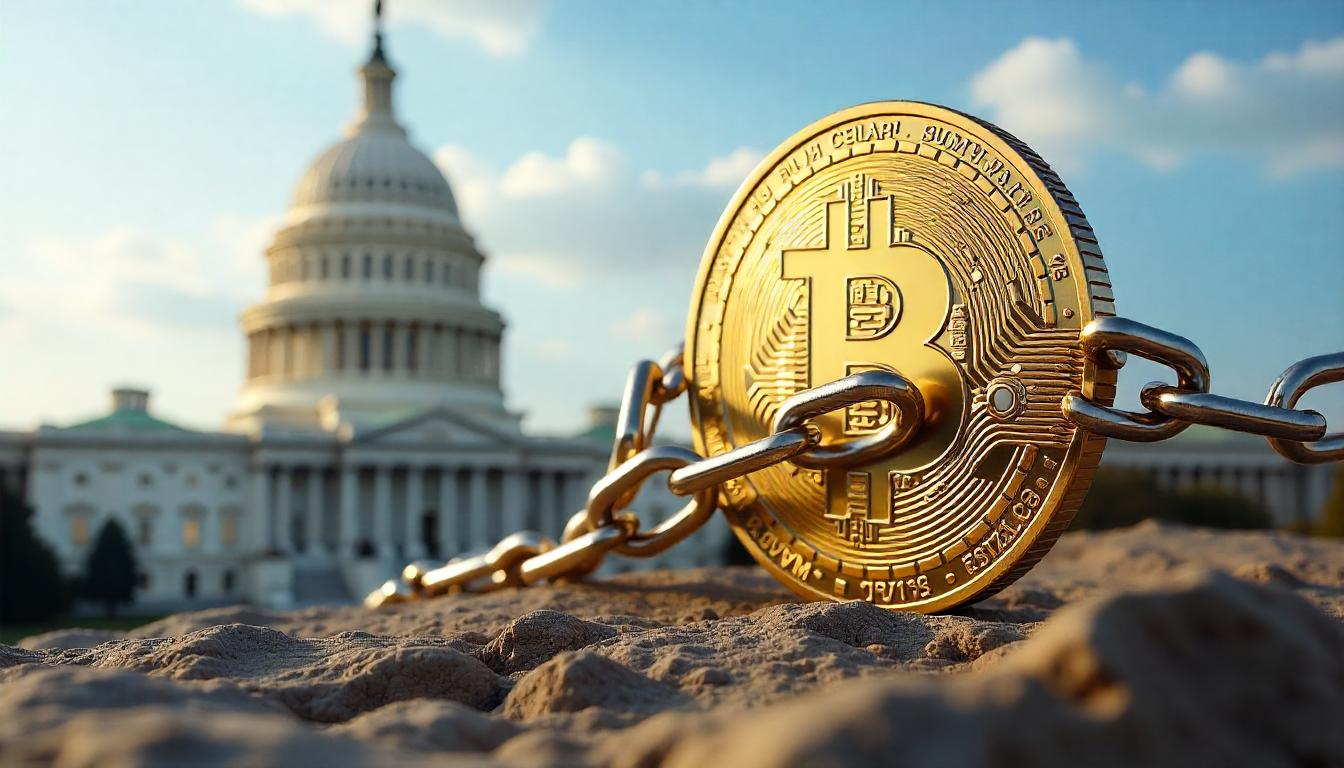
U.S. Stablecoin Growth Stalled Due to Regulatory Uncertainty, Says S&P
Lack of Regulation Stalls U.S. Stablecoin Adoption, S&P Reports
Institutional adoption of stablecoins in the U.S. is being held back by regulatory uncertainty, and growth is expected to accelerate once clear rules are in place, according to a new report from S&P Global Ratings.
“The absence of a well-defined regulatory framework is a key obstacle preventing broader institutional adoption of stablecoins in the U.S.,” analysts led by Mohamed Damak wrote in the report released Wednesday.
Stablecoins—cryptocurrencies pegged to assets like the U.S. dollar or gold—play a pivotal role in the digital asset ecosystem, facilitating payments and cross-border transactions.
Regulatory efforts are underway. The GENIUS Act in the Senate would impose federal oversight on stablecoins with a market cap exceeding $10 billion, while allowing state regulation if it aligns with national standards. Meanwhile, the STABLE Act in the House proposes state-level oversight without additional federal requirements.
S&P predicts that a regulated framework will encourage a shift from unregulated stablecoins to those compliant with new laws, reshaping the market landscape.
“As stablecoins become increasingly integrated into on-chain transactions, they will also offer a safeguard against local monetary instability in emerging markets,” the report noted.
Meanwhile, JPMorgan (JPM) has warned that Tether (USDT)—the world’s largest stablecoin—may face challenges under the new U.S. stablecoin regulations, potentially opening the door for competitors.
Share this content:


