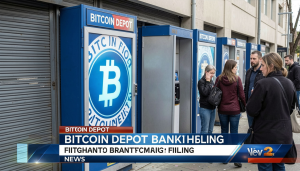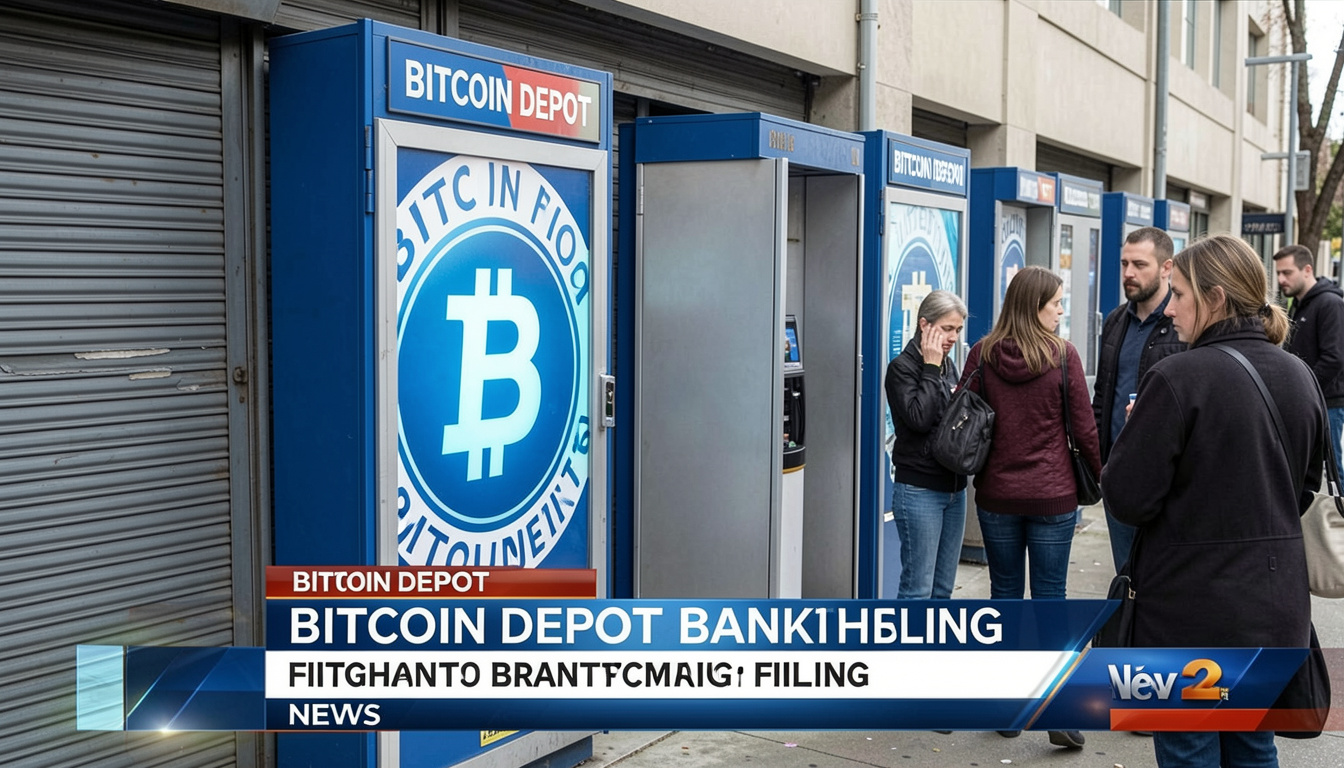
The top Bitcoin ATM operator in North America, Bitcoin Depot, has initiated bankruptcy filings.
Bitcoin Depot, once North America’s largest bitcoin ATM operator and a Nasdaq-listed company, has filed for Chapter 11 bankruptcy and is preparing to wind down its operations.
The Atlanta-based firm filed a voluntary petition in the U.S. Bankruptcy Court for the Southern District of Texas on Monday, stating that it will cease business activities and sell off assets through a court-supervised process. Its entire network of ATMs has already been shut down.
At its peak last year, the company operated more than 9,200 kiosks across the U.S., Canada, and Australia, allowing users to convert cash into bitcoin at retail locations. Bitcoin Depot went public in 2023 during a period of rapid expansion.
However, its financial position has since deteriorated significantly. Preliminary first-quarter results showed revenue plunging 49% compared to a year earlier, while the company swung from a $12.2 million profit to a $9.5 million loss. Gross profit also dropped sharply, falling 85% to $4.5 million.
CEO Alex Holmes attributed the decline to an increasingly challenging regulatory landscape. He cited stricter compliance requirements, transaction caps, and, in some regions, outright bans on bitcoin ATMs. Rising litigation and enforcement actions have added further pressure, leaving the company’s business model unsustainable, he said.
The company is also facing a high-profile lawsuit from attorneys general in Massachusetts and Iowa, who allege its machines were used in crypto-related scams. Reported losses tied to crypto ATM fraud surged to a record $389 million last year, up 58% from 2024, prompting intensified scrutiny from regulators.
Bitcoin Depot’s Canadian subsidiaries are included in the U.S. bankruptcy proceedings, while other international operations will be wound down in accordance with local laws.
The collapse comes despite broader momentum in the cryptocurrency sector, where institutional adoption continues to grow through vehicles such as ETFs and ongoing legislative efforts like the Clarity Act.
Share this content: