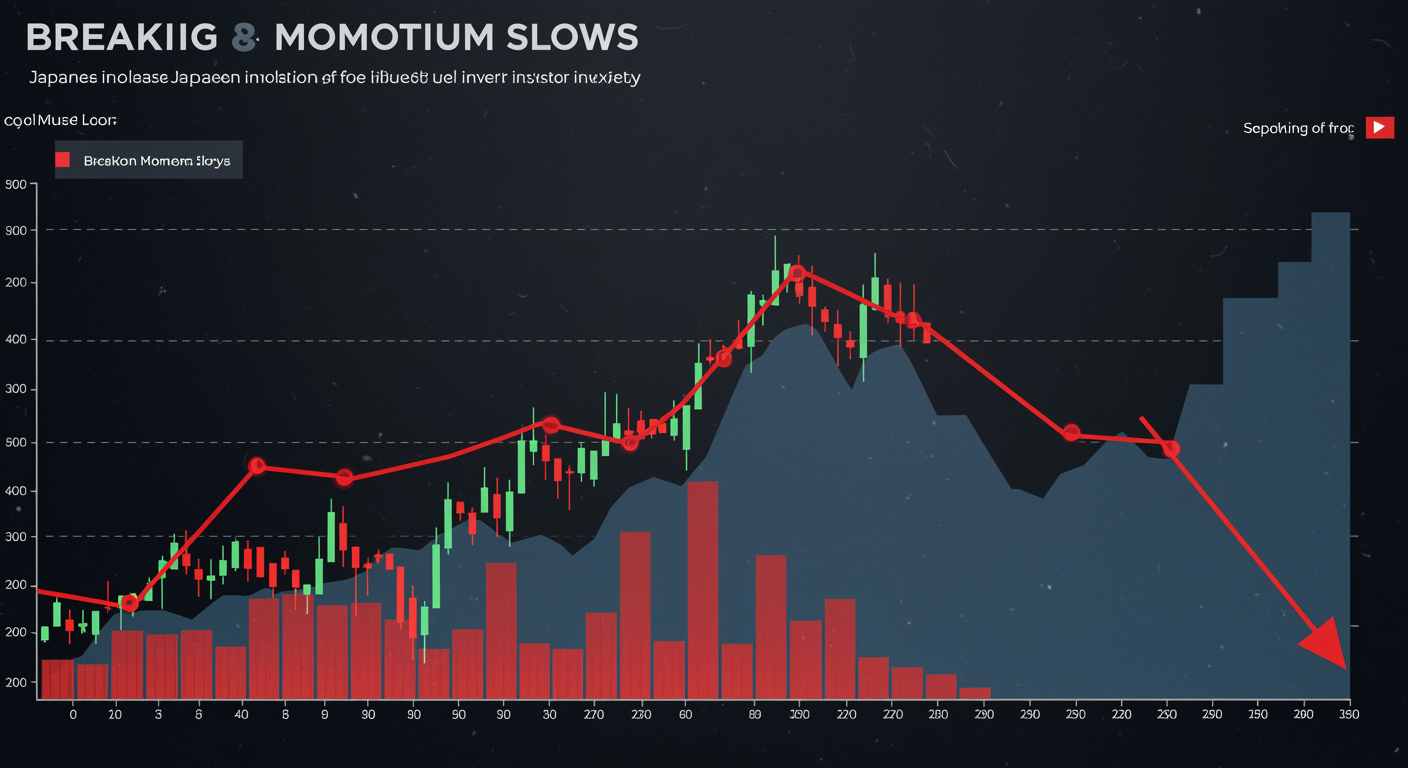
Crypto markets traded lower on Friday as a mix of stronger Japanese inflation data, escalating Iran-related supply risks, and expectations of a more hawkish Bank of Japan weighed on sentiment across risk assets.
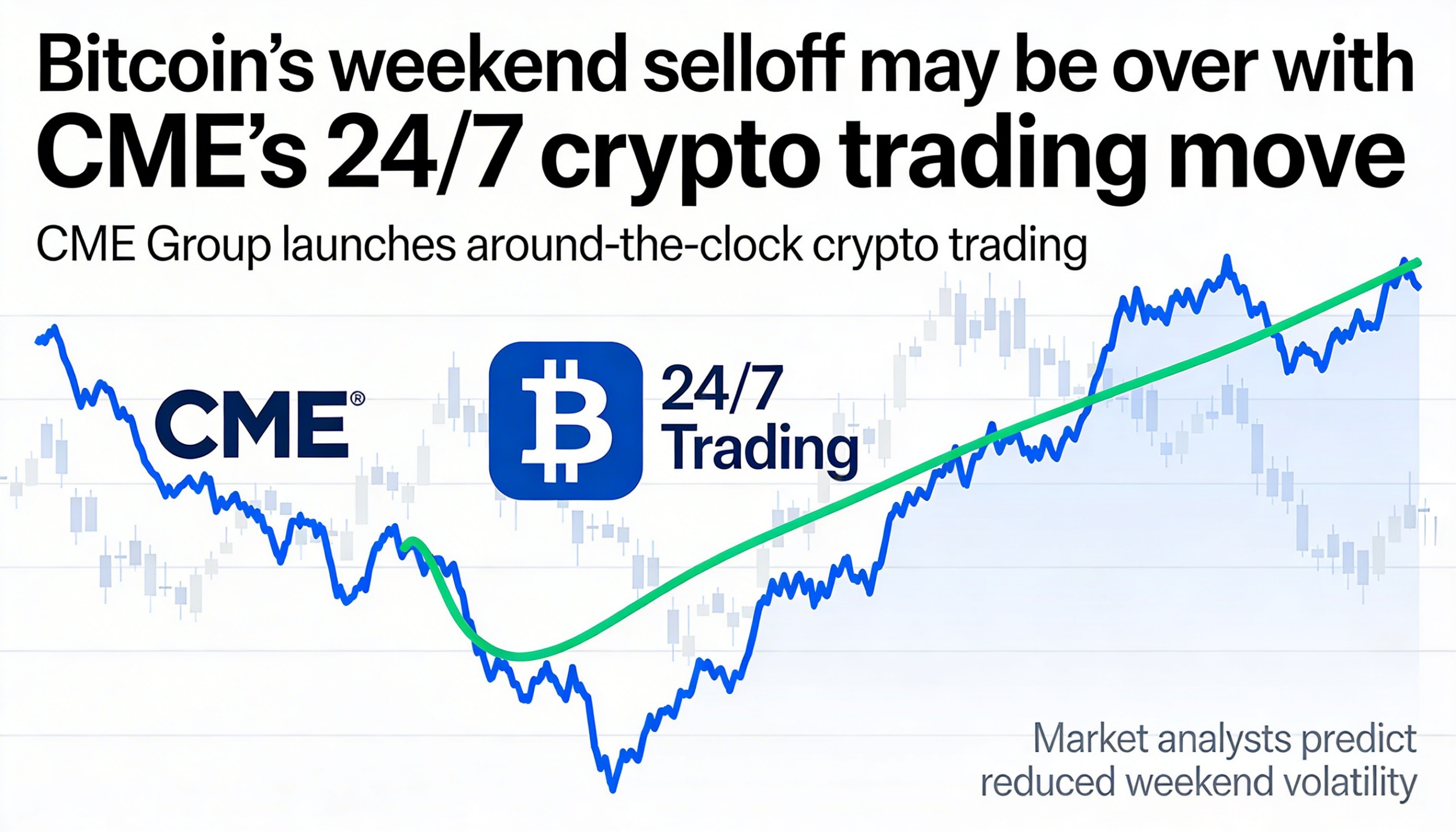
Bitcoin BTC $77,565.55 hovered near $77,800, failing to regain momentum after repeatedly stalling below Thursday’s peak of $78,700 during Asian trading hours, according to CoinDesk data. The broader uptrend that began in late March from around $65,000 has started to flatten, with recent sessions showing signs of consolidation.
Ether (ETH) also drifted lower, trading around $2,300 and slipping roughly 0.8% since midnight UTC. The move slightly lagged bitcoin’s 0.6% decline, reflecting a broadly cautious tone across major digital assets.
Market sentiment was further pressured by fresh macro data from Japan. The Corporate Service Price Index (CSPI) rose 3.1% year-on-year in March, edging above expectations and reinforcing concerns that underlying service-sector inflation remains persistent.
Meanwhile, core inflation in Japan climbed to 1.8% from 1.6%, marking its first monthly increase in five months. Headline inflation ticked up to 1.5% from 1.3%, though it remained below the Bank of Japan’s 2% target for a second straight month. A softer “core-core” reading, excluding food and energy, eased to 2.4%, its lowest level since October 2024.
Inflation pressures are being compounded by rising energy costs linked to geopolitical tensions, particularly disruptions to oil shipments through the Strait of Hormuz amid the ongoing Iran conflict. Japan, heavily dependent on energy imports, is especially sensitive to these price shocks. WTI crude has surged more than 40% to around $96 since late February as the conflict intensified.
Attention is now turning to the Bank of Japan’s upcoming policy meeting, where officials are widely expected to hold rates steady but potentially signal a more restrictive stance ahead. Some analysts see June as a possible inflection point if inflationary pressures persist or intensify due to energy-driven shocks.
Any shift toward tighter policy could strengthen the Japanese yen (JPY), which currently shows relatively bearish positioning in futures markets. That setup increases the potential for a sharp rebound if the BOJ delivers a more hawkish-than-expected message.
A stronger yen, however, could have wider implications for global markets. As a common funding currency in carry trades, a rapid appreciation may trigger position unwinding and increase volatility across risk assets, including equities and crypto.
Geopolitical risks remain elevated. Reports indicate Iran has deployed additional naval mines in the Strait of Hormuz, a key route responsible for about 20% of global seaborne oil flows. Shipping activity through the strait has already fallen sharply since tensions escalated, according to Axios.
The Pentagon has warned lawmakers that clearing mines from the Strait could take up to six months, with operations only possible after the conflict ends. Officials also cautioned that sustained energy price pressures could keep U.S. inflation elevated, complicating expectations for Federal Reserve rate cuts later this year.
Share this content: