
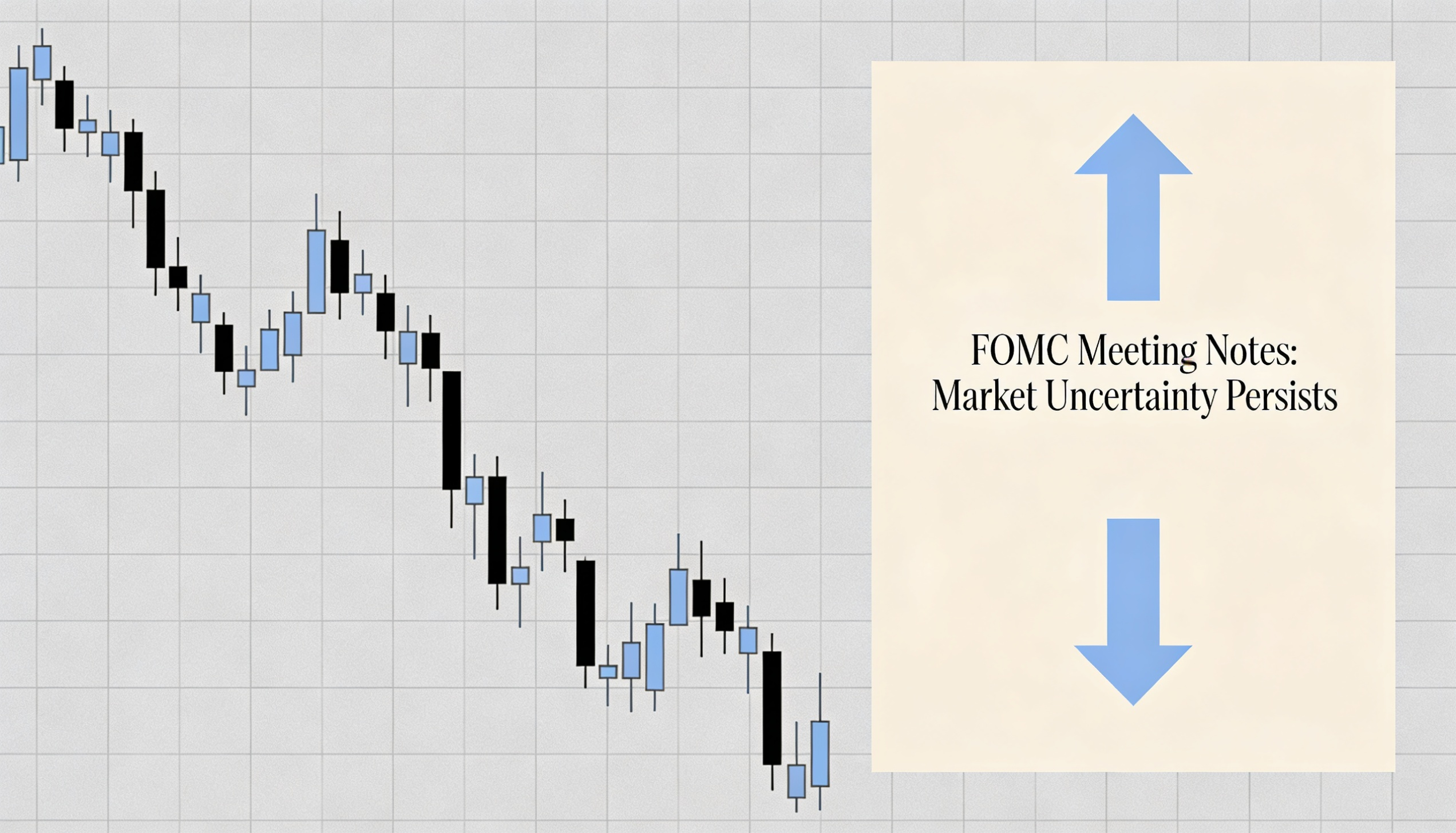
Bitcoin is under pressure from a mix of macro headwinds, with oil-driven inflation concerns, Federal Reserve policy uncertainty, and emerging questions around AI demand all shaping near-term sentiment, according to market maker Enflux.
The cryptocurrency slipped around 3% in Asian trading, holding near $77,000 as investors position cautiously ahead of a data-heavy week. The decline appears driven less by a change in conviction and more by hesitation ahead of key macro events.
In a note to CoinDesk, Singapore-based Enflux said traders are reluctant to push bitcoin higher before Wednesday’s Fed rate decision, followed by major data releases including GDP, PCE inflation, and the Employment Cost Index. Together, these figures will help determine expectations for any potential rate cuts in the second half of the year.
Oil remains the central inflation concern. Brent crude trading above $100 continues to cloud the inflation outlook, making it harder for the Federal Reserve to signal a dovish pivot. That backdrop has kept markets wary of aggressive risk-taking.
Enflux added that markets are currently balancing two assumptions: geopolitical tensions may eventually ease, but not quickly enough to influence near-term policy. As a result, expectations for a June rate cut have effectively been priced out, with prediction markets showing overwhelming odds of no change, leaving risk assets in a more uncertain environment.
Bitcoin has reflected that caution, struggling to break above key technical levels. It is currently trading about 4% below its short-term holder cost basis near $80,700, a level often seen as a marker of marginal buyer strength. A breakout above it would likely require clearer evidence that inflation pressures tied to oil are temporary.
Until then, Enflux expects bitcoin to remain range-bound through Thursday’s data releases, with sharper moves more likely driven by macroeconomic data than the Fed statement itself.
Looking further ahead, developments in the AI sector could add another layer of complexity. Reports of weaker-than-expected revenue at OpenAI have raised concerns about whether AI demand growth is slowing.
This is relevant for bitcoin because listed mining companies have been taking on debt and selling portions of their bitcoin reserves to fund a shift into AI data center infrastructure, which is seen as a higher-margin business than traditional mining.
If AI demand cools, it could eventually reduce this miner-driven selling pressure by slowing expansion plans. However, any relief would likely take time to filter through.
In the short term, weaker sentiment in tech and semiconductor markets could spill over into crypto, while any reduction in miner selling would be a slower-moving offset.
Overall, Enflux says bitcoin remains caught between competing macro forces, with uncertainty around inflation, rates, and AI all contributing to a muted, range-bound market awaiting a clearer catalyst.
Share this content: