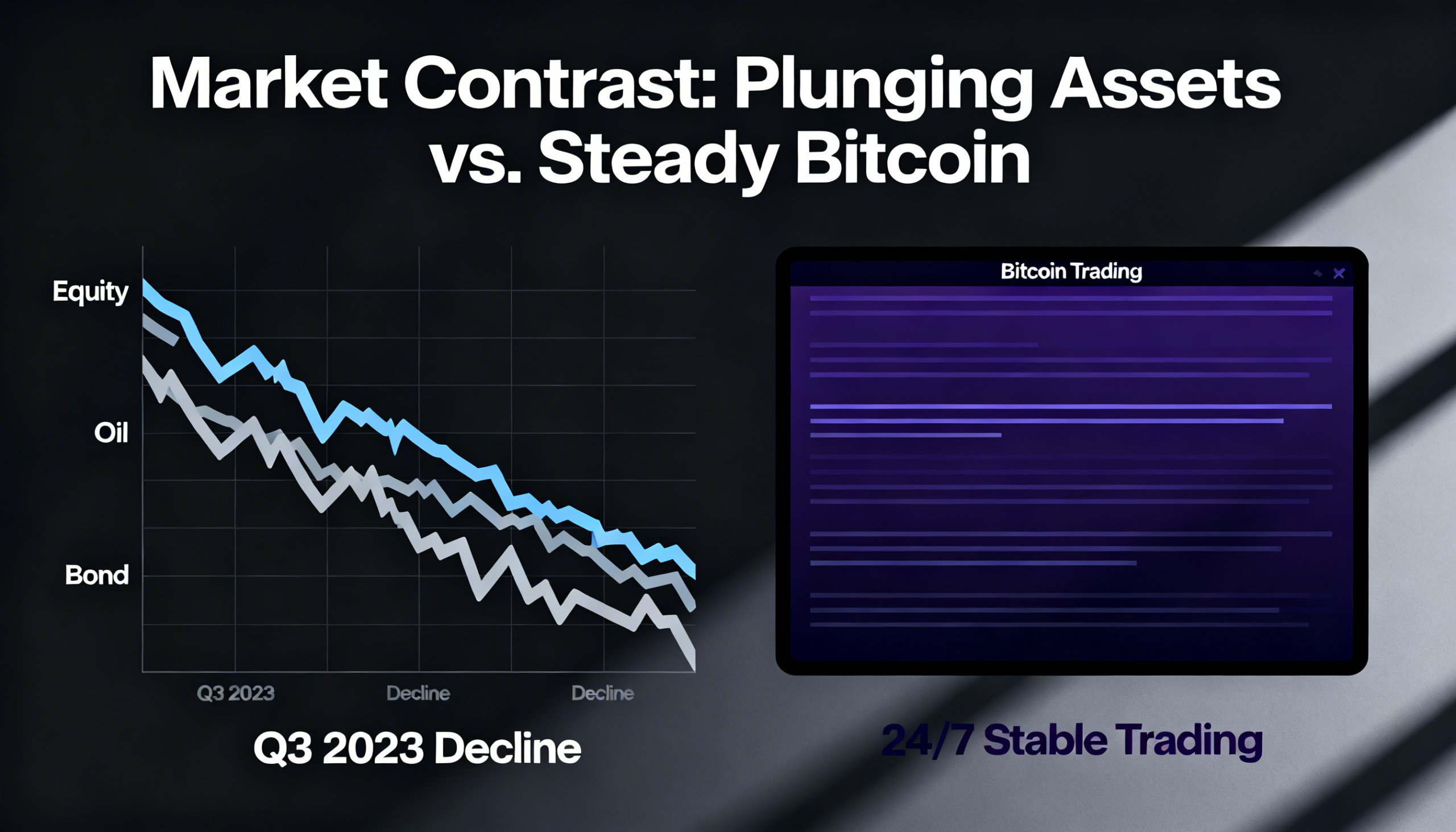
Equities, crude and fixed income are in turmoil, yet bitcoin traders show little concern.
Bitcoin’s options market is showing unusual stability even as volatility spikes across traditional assets amid escalating geopolitical tensions.
Over the past two weeks of conflict involving Iran, bitcoin (BTC) has held up well on price. More striking, however, is the steadiness in its volatility metrics — suggesting crypto traders are far less concerned than their counterparts in equities, oil and bond markets.
The conflict escalated on Feb. 28, when tensions between Iran, the U.S. and Israel turned into open confrontation, disrupting oil infrastructure and tanker flows across the Middle East. The expectation was a surge in volatility and widespread hedging across global markets.
That reaction has largely been confined to traditional assets.
Bitcoin’s 30-day implied volatility index (BVIV) has remained rangebound between 55% and 60%, according to TradingView data. Because implied volatility reflects demand for options, the muted movement indicates traders have not aggressively sought downside protection through put buying.
Elsewhere, hedging demand has surged.
The VIX — a measure of expected volatility in the S&P 500 — jumped from just above 20% before the conflict to over 32% on March 6, and has since remained elevated near 26%. In oil markets, Cboe’s OVX climbed from around 64% to above 100%. The MOVE index, which tracks volatility in U.S. Treasurys, rose from 73% to 85%, briefly touching 95%, signaling heightened uncertainty in fixed income. Gold volatility has also held above 30%, reflecting ongoing demand for safe-haven exposure.
This divergence is meaningful. While price action can be influenced by short-term flows, volatility indicators often provide a clearer view of investor sentiment — particularly the demand for protection against downside risks. By that measure, bitcoin traders appear relatively composed.
One explanation may lie in prior market conditions. Before the conflict, bitcoin had already experienced a sharp drawdown, falling from its all-time high above $126,000 in October 2025 to the low $60,000s. That decline likely flushed out excess bullish positioning and prompted earlier hedging.
In contrast, traditional markets entered the period closer to record highs or in relatively calm conditions, making the geopolitical shock more disruptive.
Historical data also points to bitcoin’s resilience during such events. Analysis from crypto-focused firm River shows the asset has delivered average double-digit returns over 60-day periods during several geopolitical episodes since 2020.
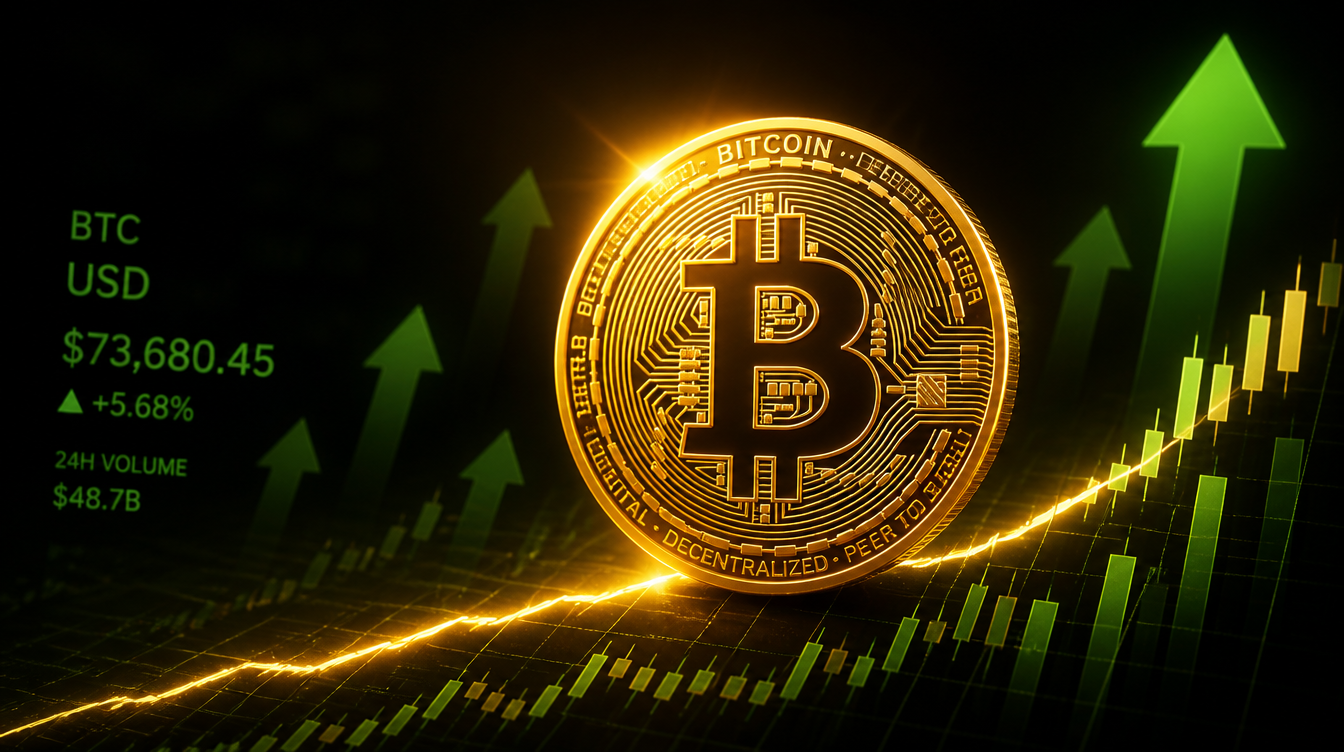
That pattern appears to be repeating. Bitcoin has climbed more than 10% over the past two weeks, approaching $74,000, according to CoinDesk data.
Overall, the takeaway is clear: while traditional markets react with heightened anxiety, bitcoin has remained steady. Whether that stability holds will be the key question going forward.
Share this content: