Bitcoin Holders Reassess Storage Security After Coldcard Fallout Drives Historic Wallet Transfers
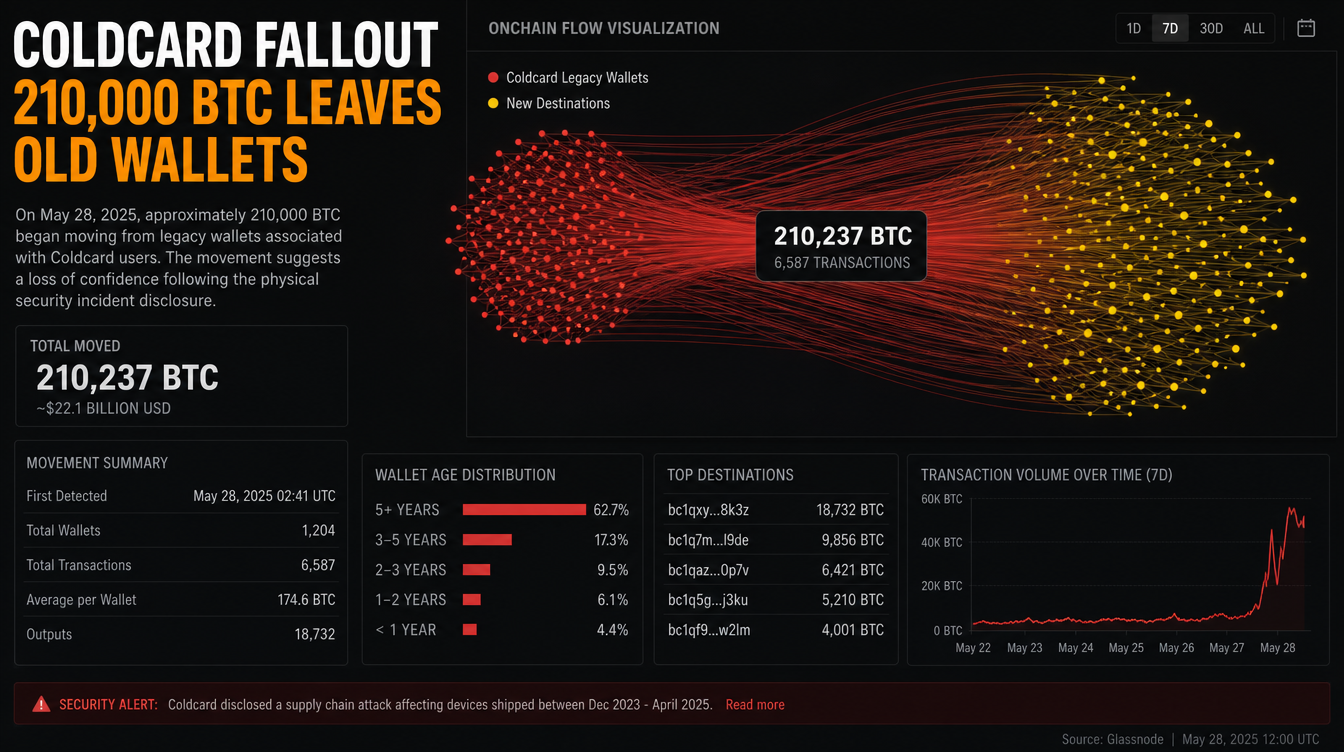
About 200,000 BTC have moved out of long-term holder wallets in the past week, suggesting that the activity may be linked to changes in custody arrangements rather than a large-scale sell-off.
The effects of the Coldcard security incident are now appearing in Bitcoin’s on-chain data.
Glassnode data shows that approximately 210,000 BTC have exited long-term holder (LTH) wallets over the last seven days, marking the biggest decline in this group since December 2024, when Bitcoin was nearing the $100,000 threshold.
Long-term holders are defined by Glassnode as entities that have kept their Bitcoin inactive for at least 155 days. This group is often viewed as “smart money” because these investors typically withstand short-term volatility and maintain their holdings through market fluctuations.
The total Bitcoin supply held by long-term holders has declined to around 14.7 million BTC. Before the Coldcard breach, the figure stood just below 15 million BTC, close to its historical peak.
In previous market cycles, major reductions in long-term holder supply have frequently occurred during strong price rallies or near market tops. Similar selling patterns appeared around Bitcoin’s cycle highs in March 2021, March 2024, and December 2024, when experienced investors took profits as demand increased.
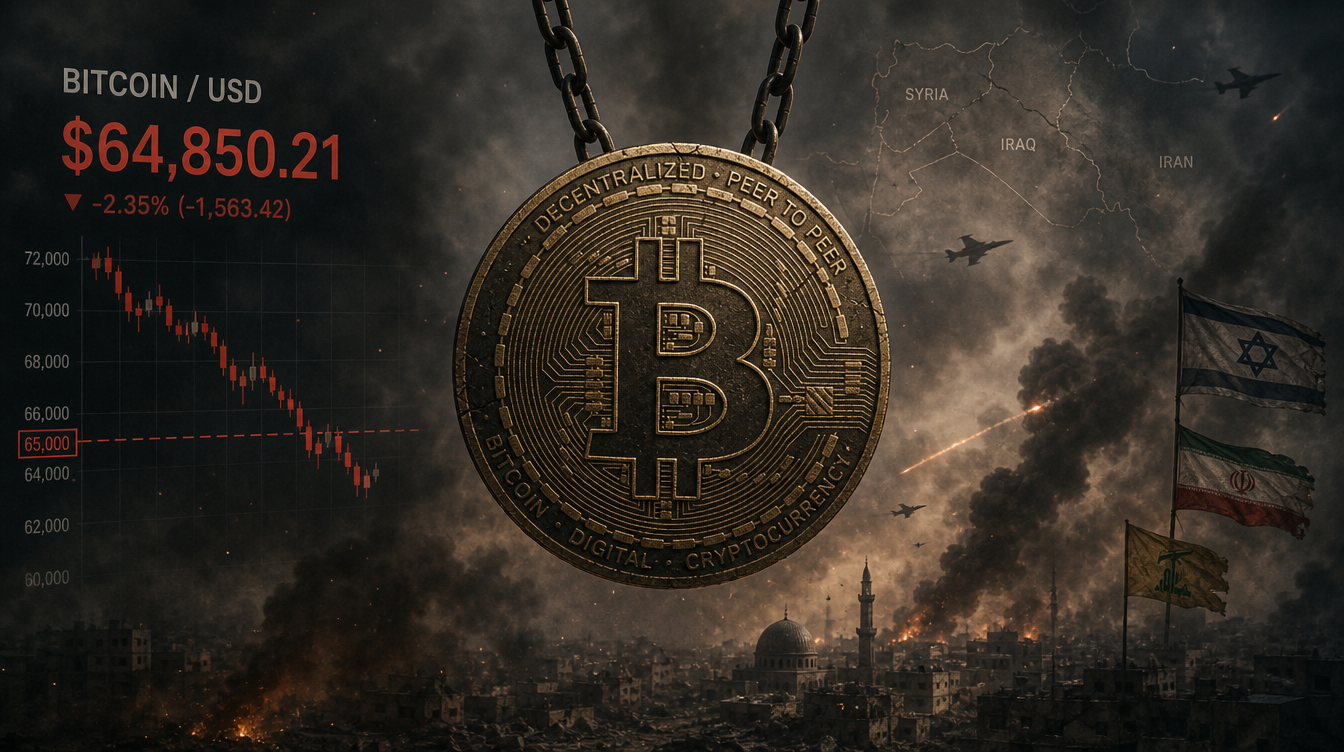
The latest movement, however, is happening in a different market environment. Bitcoin is currently trading around $64,000, nearly 50% below its October all-time high.
The recent wallet activity appears less like traditional profit-taking and more like a migration of Bitcoin holdings following the Coldcard security breach. Bitcoin also did not experience a new low after the incident, suggesting the transfers have not translated into major selling pressure.
The Coldcard exploit was traced to weak randomness in certain firmware versions, allowing attackers to potentially recreate wallet recovery phrases and gain access to affected funds. Thousands of addresses were impacted, with estimated losses reaching as high as $114 million. Coldcard advised users with affected devices to generate new wallets and move their Bitcoin, warning that a firmware update alone would not secure compromised keys.
As a result, part of the decline in long-term holder supply may be due to users transferring their coins into newly created wallets with stronger security protections. Some holders may also be moving funds to regulated custodians or spot Bitcoin ETFs as concerns around self-custody increase.
Institutional demand has remained positive during the period, with U.S. spot Bitcoin ETFs recording roughly $754 million in inflows over the past week. BlackRock’s iShares Bitcoin Trust (IBIT) accounted for a significant portion of those investments.
The main distinction is that on-chain transfers do not always represent selling. In this case, the drop in long-term holder supply may reflect a broader shift in Bitcoin storage practices rather than a decline in long-term investor confidence.
Share this content: