2011 Bitcoin Wallet Breaks Silence With $3.2M Transfer to Institutional Crypto Address
A Bitcoin wallet that had been inactive for nearly 15 years moved almost 50 BTC valued at around $3.2 million on Thursday, sending the funds to an address that has previously interacted with wallets connected to institutional crypto brokerage FalconX.
The 49.97 BTC remains in the receiving wallet as of Friday, with no on-chain evidence showing that the coins have been sold, transferred to FalconX, or moved to another exchange. However, the wallet’s history of transactions with FalconX-linked addresses suggests the holder may be adjusting custody arrangements, consolidating funds, or preparing for potential market activity.
Blockchain research firm Galaxy Research reported that the wallet originally received the Bitcoin on July 16, 2011, when BTC was trading near $10. The coins had not moved since then, allowing the holding to appreciate to roughly $3.2 million through years of bull markets, downturns, and major developments across the crypto sector.
The transfer was recorded in Bitcoin block 961331 at 20:14 UTC on Aug. 6. The transaction combined four inputs from the long-dormant wallet totaling 49.97 BTC with two smaller inputs from other addresses. It then transferred exactly 50 BTC to a SegWit address, while a separate output received about 0.00116 BTC after fees.
SegWit, or Segregated Witness, is a Bitcoin transaction format designed to improve efficiency by reducing transaction data size and lowering network costs. Addresses beginning with “bc1” typically use the SegWit format.
The destination wallet was not a newly generated address. Data from blockchain analytics platform Arkham shows that the wallet has been active for several years and previously sent 6.336 BTC and 16.131 BTC to addresses labeled as FalconX deposits.
Arkham data also shows that the address has received Bitcoin from wallets associated with a Nexo hot wallet and Prime Trust custody.
Although the transaction involved an early Bitcoin holding, the funds have not moved beyond the receiving address. There is currently no indication that the coins have been deposited with FalconX, transferred to another platform, or sold.
Dormant Bitcoin wallets from the early days of the network often attract attention when they become active because many of these holders accumulated their coins when Bitcoin prices were only a fraction of current levels.
However, a transfer from an inactive wallet does not automatically signal selling activity. Such movements can involve security upgrades, changes in custody providers, wallet reorganizations, or preparation for future transactions.
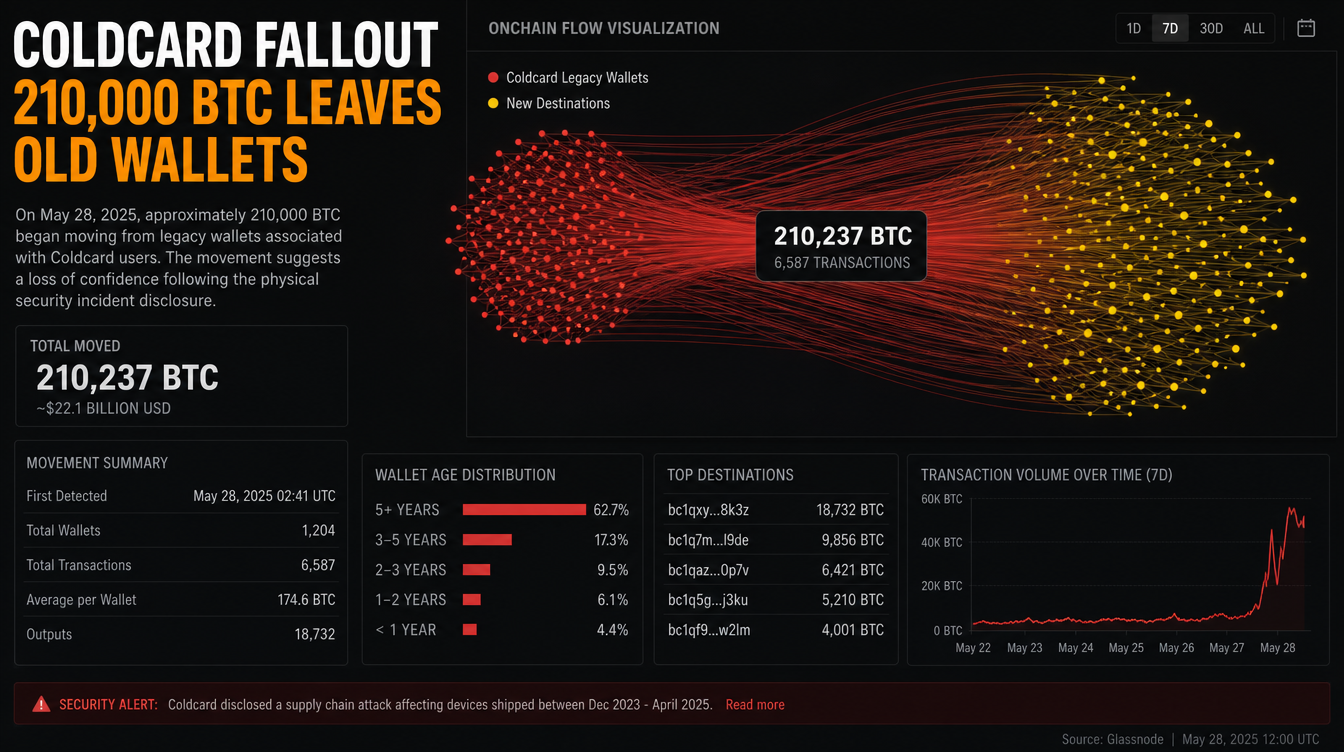
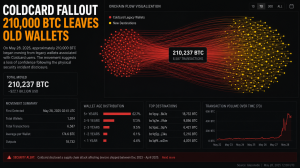
The movement also comes shortly after one of the largest Bitcoin cold-wallet security incidents in recent years, highlighting the challenges of protecting long-held cryptocurrency assets.
Coldcard creator Coinkite recently urged users to move their funds after revealing a firmware vulnerability from 2021 that could expose private keys generated by affected devices. The company said attackers have stolen as much as $114 million from vulnerable wallets since July 30 across multiple attack waves.
There is no evidence linking the 2011 wallet transfer to the Coldcard exploit, and the address predates the hardware wallet by years. However, the security incident has encouraged some long-term Bitcoin holders to reassess older storage methods, potentially contributing to increased activity among previously dormant wallets.
Share this content: