A failed rally bet triggered $563 million in crypto liquidations, with Ether and Bitcoin accounting for the largest share.
A broad crypto sell-off triggered a wave of liquidations, with bitcoin and ether leading losses as macroeconomic concerns weighed on risk sentiment.
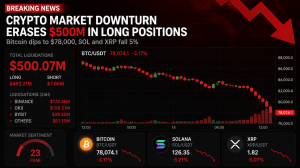
In the past 24 hours, approximately $563 million in leveraged long positions were wiped out across futures markets, marking the largest liquidation event since early February, according to Coinglass data. The previous peak came on Feb. 6, when bitcoin’s سقوط toward $60,000 resulted in $1.84 billion in bullish liquidations.
Short liquidations over the same period were limited to $65 million, highlighting the extent of bullish positioning before the downturn.
Ether accounted for the largest share of forced liquidations at $244 million, while bitcoin saw $160 million in long positions closed. Together, the two крупнейшие cryptocurrencies drove most of the market-wide deleveraging.
Liquidations occur when leveraged positions can no longer be supported by posted collateral, prompting exchanges to automatically close trades. While leverage can amplify gains in rising markets, it can also intensify losses during declines, often leading to cascading sell-offs.
That pattern unfolded as both bitcoin and ether moved lower, pulling the broader digital asset market down.
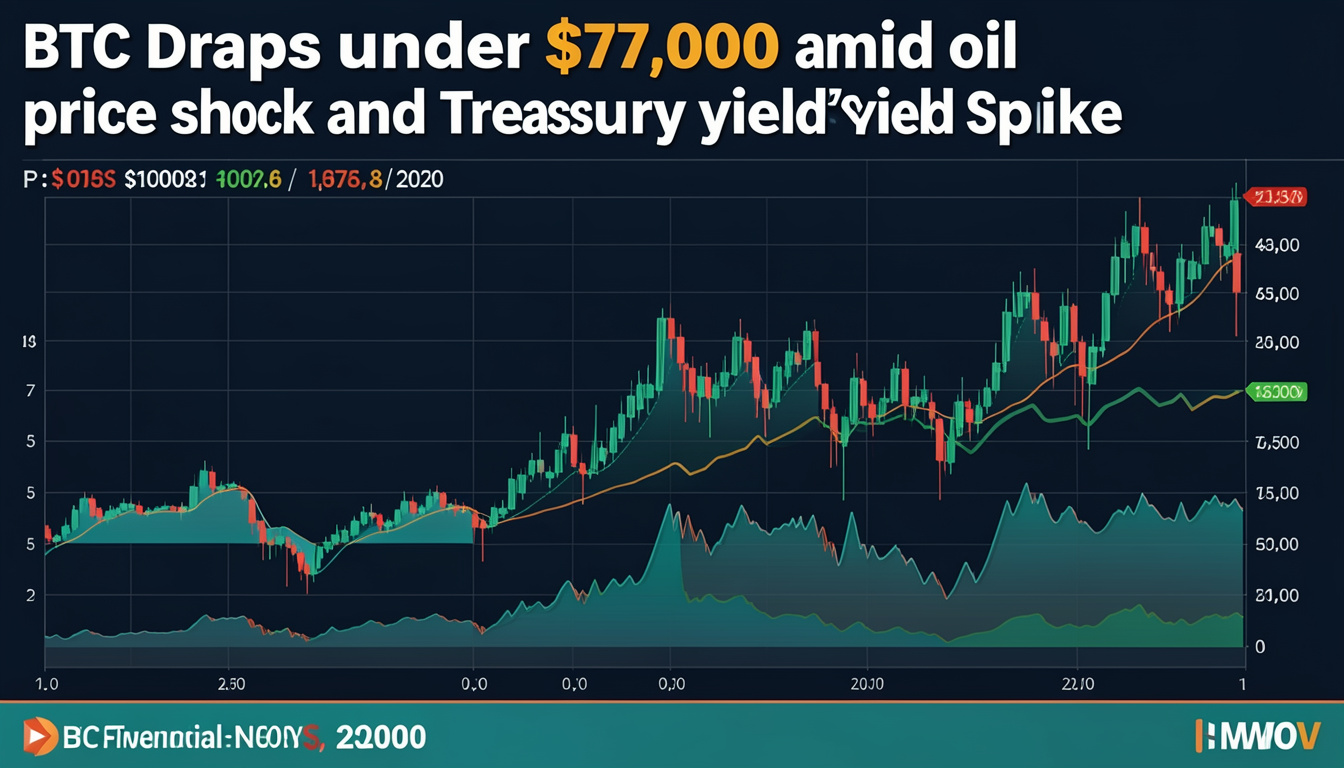
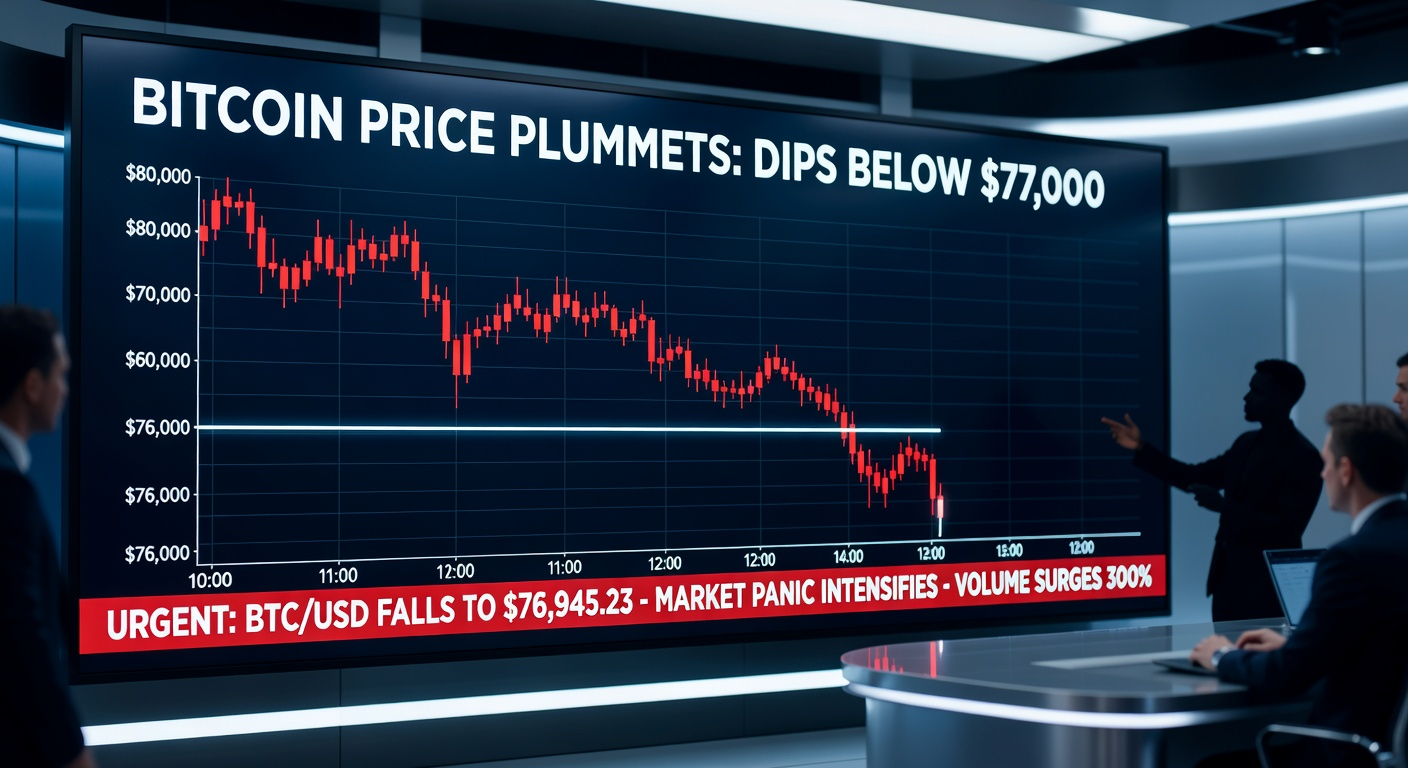
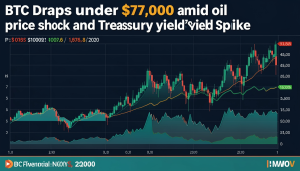
Bitcoin has dropped roughly 5% over the past week, slipping below $77,000, while ether has fallen around 10% to trade near $2,129.
The decline is being linked to persistent macroeconomic pressures, including stronger-than-expected U.S. inflation data that has driven Treasury yields higher. Rising yields across major economies have dampened demand for risk assets, particularly non-yielding ones like cryptocurrencies.
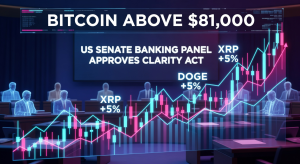
The downturn comes even as regulatory developments in the U.S. show progress, with the Clarity Act advancing through the Senate Banking Committee, bringing the industry closer to a formal regulatory framework.
Still, the latest sell-off underscores the outsized influence of macro conditions. While regulatory clarity may support the sector over the longer term, it offers little immediate relief from tightening financial conditions and weakening investor appetite for risk.
Share this content: