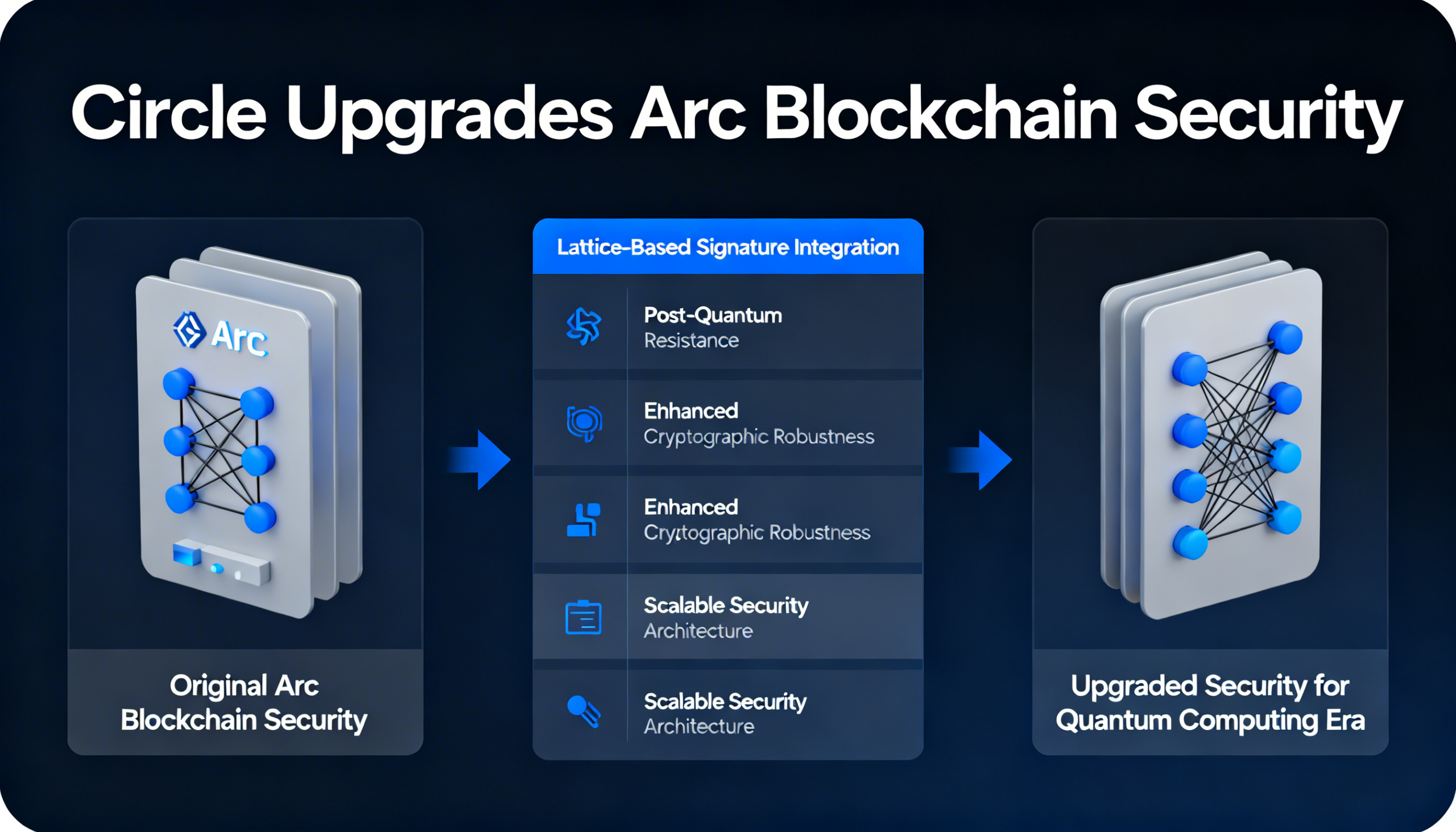
Arc blockchain gets a quantum-resistant upgrade from Circle
Tokenization—the process of bringing real-world assets like cash, bonds, and funds onto blockchain networks—could transform the structure of global finance, but it also introduces risks that regulators are not yet fully equipped to manage, according to a new report from the International Monetary Fund (IMF).
The IMF argues that tokenization is more than a simple technological upgrade. By enabling assets to exist and transact on shared ledgers, it allows for near-instant settlement, eliminating intermediaries and reducing the frictions that slow down traditional markets.
At the center of this shift is “atomic settlement,” where transactions are completed simultaneously and with finality. While this reduces counterparty risk, it also requires institutions to manage liquidity in real time, fundamentally changing operational dynamics.
However, the speed and automation of tokenized systems could also amplify market stress. The IMF warns that during periods of volatility, events may unfold much faster than in traditional systems, leaving little room for discretionary intervention. To maintain stability, tokenized markets will need strong governance, reliable settlement assets, and clear legal recognition of transaction finality.
Stablecoins are expected to play a key role in this ecosystem. As digital tokens pegged to fiat currencies, they could become the primary medium for settlement across tokenized platforms. Still, their stability depends on the strength of underlying reserves and redemption processes, making them susceptible to runs in times of crisis.
The report also highlights the potential for increased volatility. Automated systems powered by smart contracts can trigger margin calls and liquidations instantly, potentially accelerating price declines—a dynamic already observed in crypto markets.
Cross-border movement of tokenized assets presents another challenge. Because these assets can be transferred instantly across jurisdictions, regulatory oversight becomes more complex, raising concerns about capital flight and currency substitution, particularly in emerging economies.
To address these risks, the IMF calls for clearer legal frameworks and enhanced international coordination. Without these safeguards, tokenization could lead to greater fragmentation in financial markets rather than improved efficiency.
Despite these concerns, adoption continues to rise. According to DeFiLlama data, tokenized real-world assets have surpassed $23.2 billion. Excluding stablecoins, much of this value is concentrated in tokenized gold and money market funds, signaling growing demand for blockchain-based financial instruments.
Share this content: