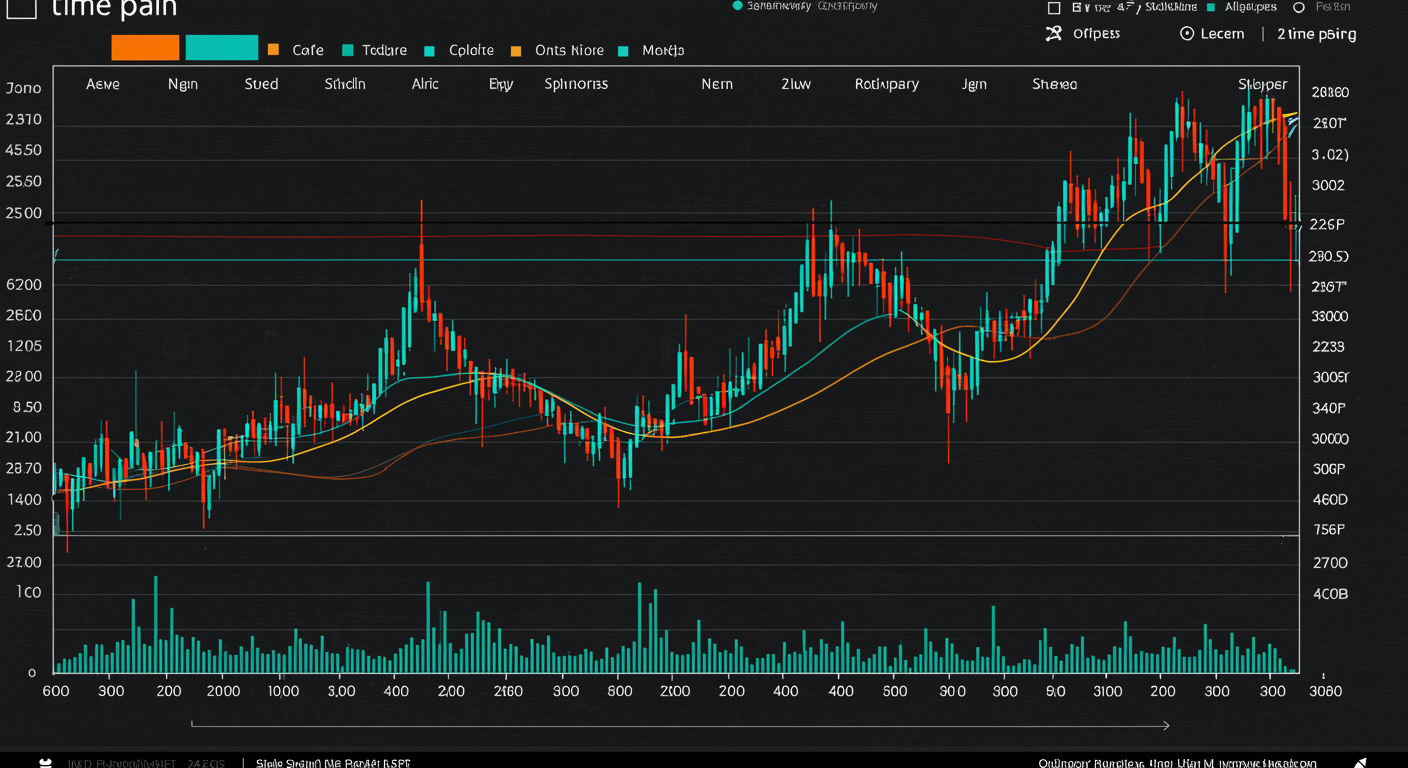
The ‘time pain’ dilemma: why bitcoin’s bear cycle may require several more months of sideways, uneventful action before establishing a true bottom.
Long-term holder behavior is beginning to signal a maturing downturn, but the path to a definitive bottom may still require patience as markets grind through an extended period of consolidation.
For most crypto investors, the key questions remain unchanged: how much further bitcoin can fall and how long the current bear phase will persist.
While sharp drawdowns and volatility—often referred to as “price pain”—have dominated headlines, another dynamic is quietly taking hold. “Time pain,” characterized by prolonged, directionless trading, can be just as taxing. Instead of forcing exits through sudden losses, it wears down both bulls and bears with slow, range-bound price action and a lack of momentum.
Bitcoin is currently trading below $66,000, down more than 3% over the past 24 hours and roughly 45% off its October peak, marking nearly six months in a bearish cycle.
On-chain data suggests this phase may not be over yet. Glassnode’s Realized Cap HODL Waves metric, which segments bitcoin supply based on how long coins have remained unmoved and weights them by their last transacted price, points to ongoing accumulation by longer-term investors.
Historically, bear market bottoms tend to align with long-term holders—those holding for at least six months—controlling 85% or more of the circulating supply. Typically, prices bottom first, and only later does long-term holder dominance reach these elevated levels, reflecting accumulation at lower valuations and conviction through the downturn.
At present, long-term holders control around 80% of supply. If this trend continues, it suggests the market may be approaching a bottoming phase. However, history indicates that several more months of sideways, uneventful trading could still lie ahead before a true floor is established.
Share this content: