Crypto Prediction Markets Edge Toward Supreme Court Review
Supreme Court Watch
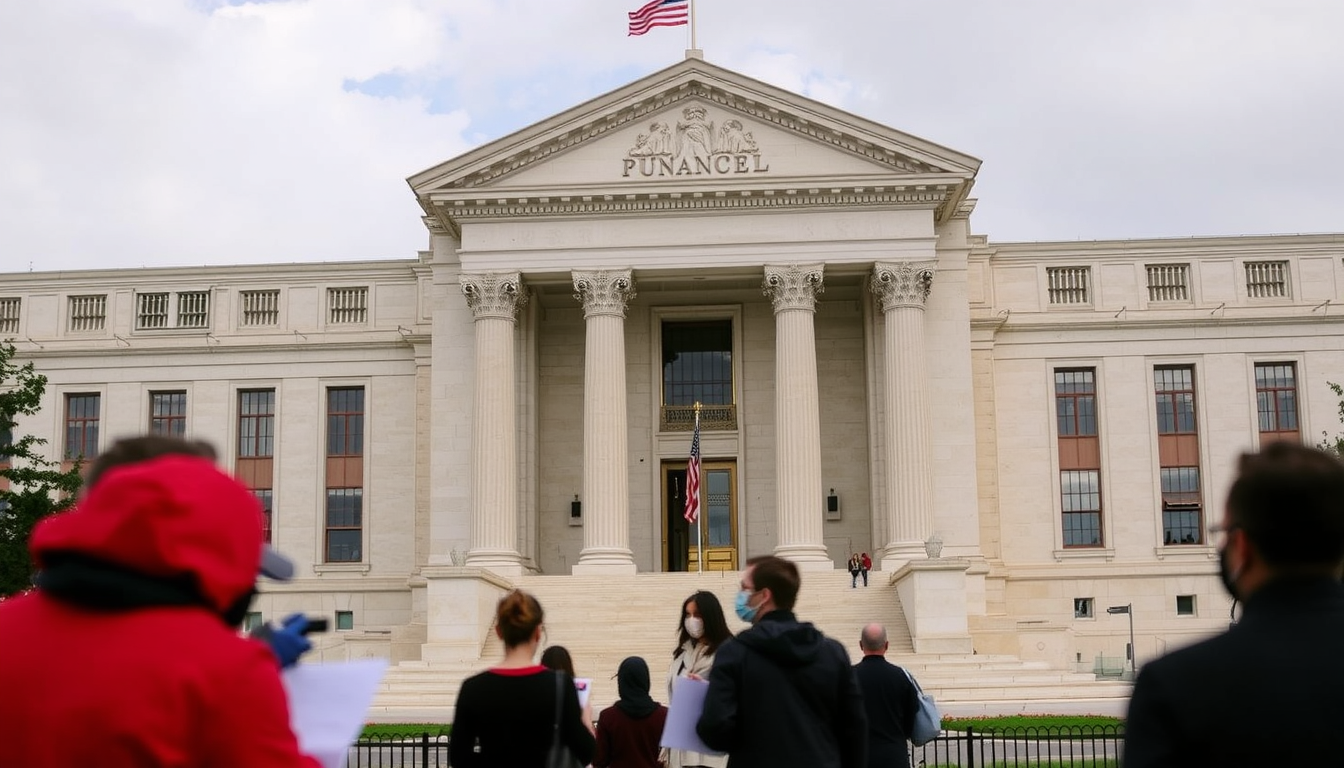
New Jersey has formally petitioned the U.S. Supreme Court to hear its dispute with Kalshi, bringing the debate over prediction-market regulation to the doorstep of the nation’s highest court.
The case could determine whether sports-related prediction contracts are considered gambling products that states have the authority to regulate, or financial swaps that fall under federal supervision by the Commodity Futures Trading Commission (CFTC).
Submitting the petition does not mean the Supreme Court will accept the case. However, recent developments in the federal appeals courts have created circumstances that could make the dispute difficult for the justices to ignore.
Why It Matters
Lawyers who have been following prediction-market litigation have increasingly expected the Supreme Court to eventually address the issue, potentially within the next year.
The stakes for the industry are substantial.
If the court rules that sports prediction contracts are gambling, platforms offering those products could be required to obtain licenses and approvals from individual states. They could also become liable for state gambling taxes and other regulatory obligations.
A decision recognizing the contracts as federally regulated swaps would produce a very different outcome. It could strengthen the prediction-market industry’s position against state gambling restrictions while creating new challenges for traditional sports-betting companies.
A Circuit Split Emerges
New Jersey is asking the Supreme Court to consider whether the Dodd-Frank Wall Street Reform and Consumer Protection Act preempts state gambling regulations when prediction contracts are traded on federally regulated designated contract markets.
The legal question has gained urgency because the federal appeals courts have begun to disagree.
The Third Circuit sided with Kalshi in April. The Ninth Circuit subsequently issued a ruling last month that took a different position, producing the kind of circuit conflict that can increase the likelihood of Supreme Court review.
New Jersey could have gone directly to the Supreme Court after its Third Circuit loss. Carl Kennedy, a partner at Katten and co-chair of its financial markets and regulation group, said the Ninth Circuit ruling nevertheless gives the state’s petition additional weight.
The justices could wait for the Sixth and Fourth circuits to issue their own decisions, but they are not required to do so.
Katherine Kirkpatrick Bos, head of legal at Chainlink Labs, said the combination of a circuit split and a legal question with consequences for an entire industry makes the dispute particularly significant.
Todd Phillips, a director at Klaros Group, said additional appellate rulings could provide the Supreme Court with a clearer picture of where the courts stand.
If the Ninth, Sixth and Fourth circuits all rule against prediction markets while the Third Circuit remains the exception, the Supreme Court could see a broad judicial consensus favoring the states. If the circuits continue to disagree, that could instead strengthen the case for the Supreme Court to settle the matter itself.
The CFTC Could Affect the Timeline
The Supreme Court could also choose to wait for the CFTC to finish its regulatory work on prediction markets.
Daniel Wallach, a lawyer focused on gaming and sports-betting law, said the agency’s pending rulemaking on event contracts could influence whether the justices decide the issue is ready for review.
The CFTC has proposed new rules for event contracts, but those rules have not yet been finalized. Wallach expects any eventual regulation to face a legal challenge under the Administrative Procedure Act.
That additional litigation could lead the Supreme Court to conclude that the broader dispute is not yet ripe for consideration.
New Jersey is also not necessarily confined to the arguments it presented earlier in its fight with Kalshi, Kennedy said.
The state could incorporate legal theories raised in other prediction-market cases as those disputes progress through the courts. Attorneys involved in the litigation are likely to watch those cases closely for arguments that could strengthen their positions.
Phillips said those arguments could become even more important if several prediction-market cases are eventually combined.
Wallach expects both states seeking to enforce gambling laws and companies offering prediction contracts to seek an opportunity to make their cases before the Supreme Court.
He also noted that the Supreme Court reverses lower-court decisions in roughly 70% of cases, although that historical figure offers no guarantee about the outcome of the prediction-market dispute.
Next Steps
The Supreme Court has roughly 90 days to decide whether to grant New Jersey’s petition, Kennedy said.
Once the petition is docketed, Kalshi will have 30 days to respond, according to Wallach.
The initial briefing would address a limited question: whether the Supreme Court should take the case. If the justices grant certiorari, the parties would then proceed to arguments over the underlying dispute between state gambling authority and federal regulation.
Clarity Act Watch
The Digital Asset Market Clarity Act faces its own timing problems.
The House of Representatives is scheduled to be out of session during the final two weeks of September. That makes passage before the midterm elections highly unlikely even if the Senate manages to approve the legislation this month.
The bill did receive a boost Friday when the National Sheriffs’ Association told Senate leaders that it would shift its position from opposing the legislation to “neutral.”
Several major issues remain unsettled, however.
There has been little public information about negotiations involving the bill’s ethics provisions, while disagreements over stablecoin yield remain unresolved.
Crypto industry executives consulted last week were evenly divided over whether the legislation has a realistic path to becoming law.
That debate is likely to intensify once the Senate returns and prepares for its first procedural vote on the bill.
Looking Ahead
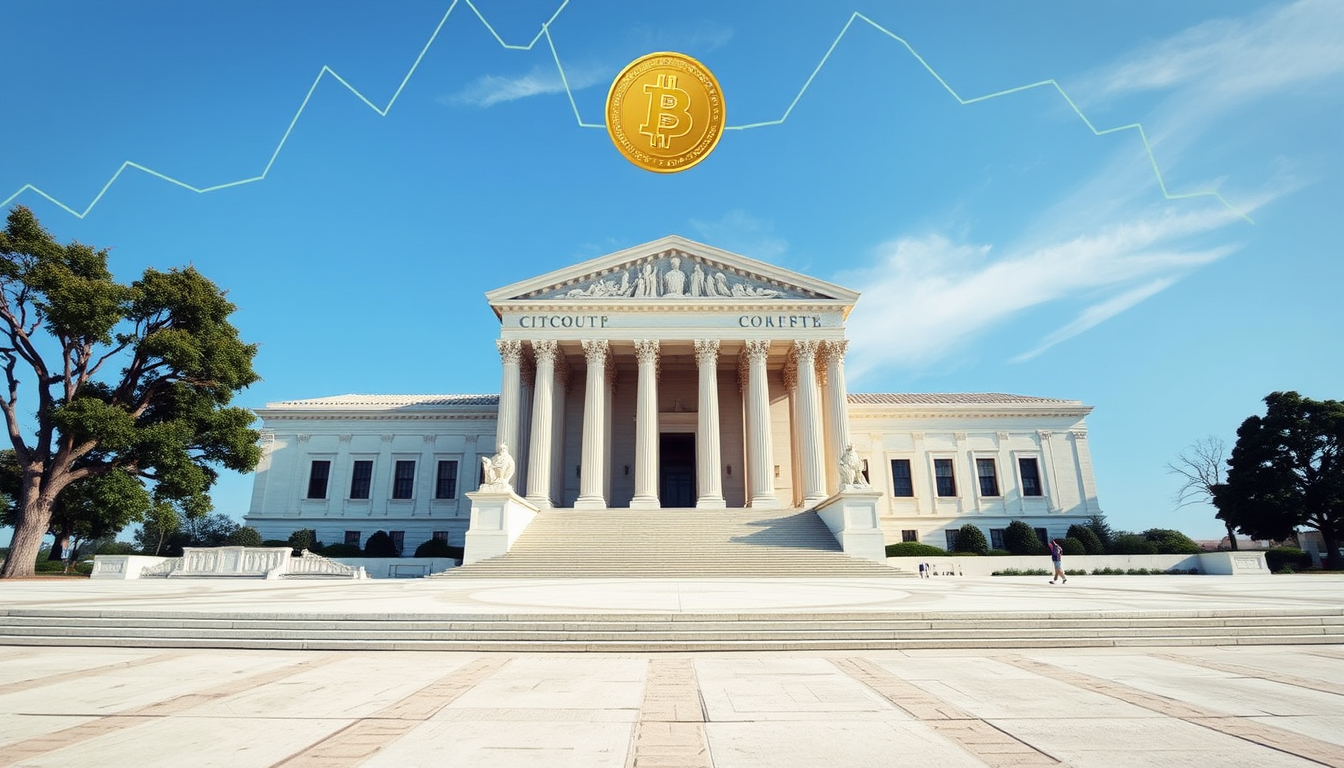
The prediction-market debate is entering a critical stage. New Jersey’s Supreme Court petition, combined with conflicting appellate rulings, gives the justices an opportunity to establish whether sports prediction contracts belong primarily under state gambling laws or federal financial-market oversight.
Share this content: