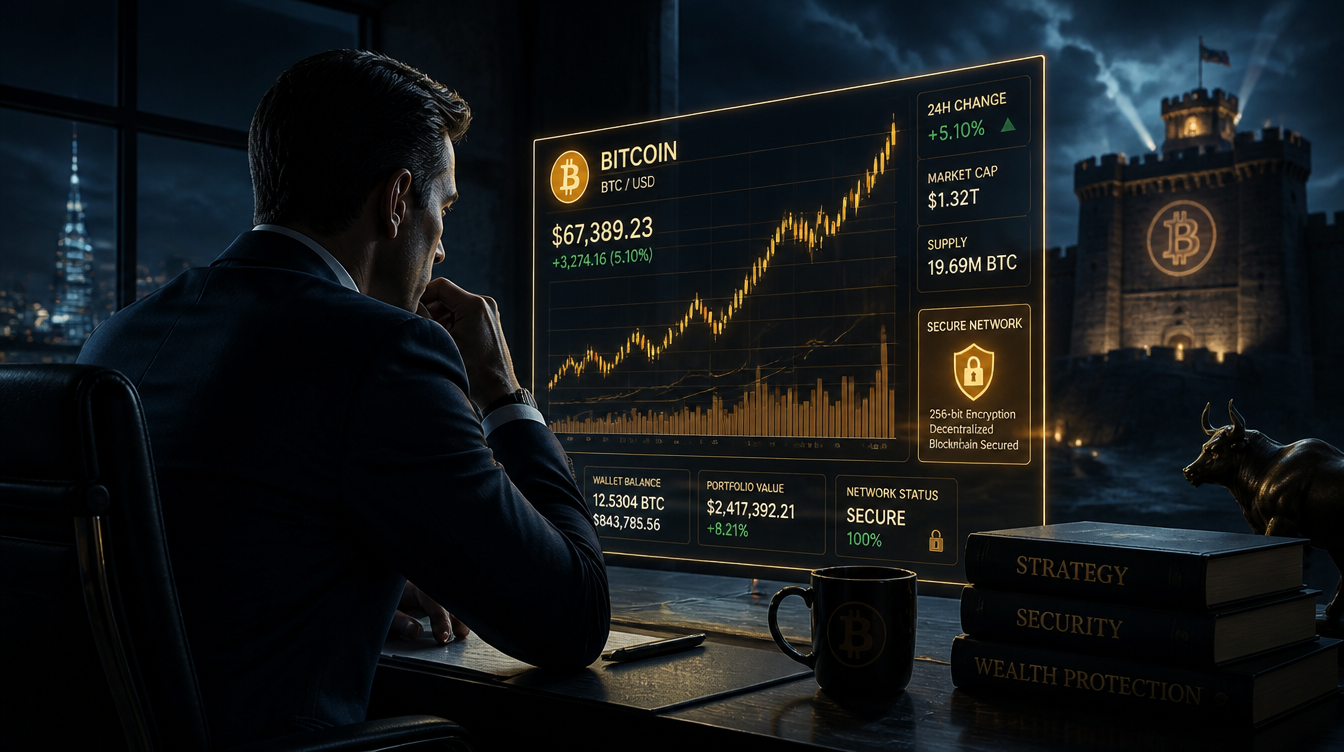
Bitcoin Tops $65K Again as Analysts Signal Potential Run to $70K
Here’s a sharper, more fluid rewrite with a professional market tone:
Bitcoin climbed past $65,000 as investors largely brushed aside geopolitical tensions, with risk increasingly shifting into derivatives markets instead of triggering heavy spot selling. At the same time, South Korea’s KOSPI entering a bear market fueled a staggering 1,300% surge in trading volume on Upbit.
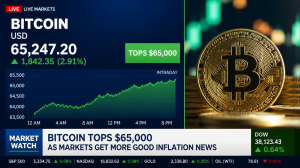
On July 15, 2026, BTC briefly reclaimed the $65K level after softer U.S. inflation data reduced pressure on the Federal Reserve. The move came despite ongoing U.S.–Iran airstrikes ordered by President Donald Trump over the weekend.
Bitcoin had already recovered above $63,000 following the initial escalation, and its relatively muted response to continued conflict highlights a clear shift in market behavior. Panic selling is giving way to a more measured, strategic reaction from traders.
Rather than signaling broad risk aversion, current price action suggests that the geopolitical risk premium tied to Iran is fading. Instead of sharp spot declines, traders are increasingly expressing uncertainty through options and volatility markets.
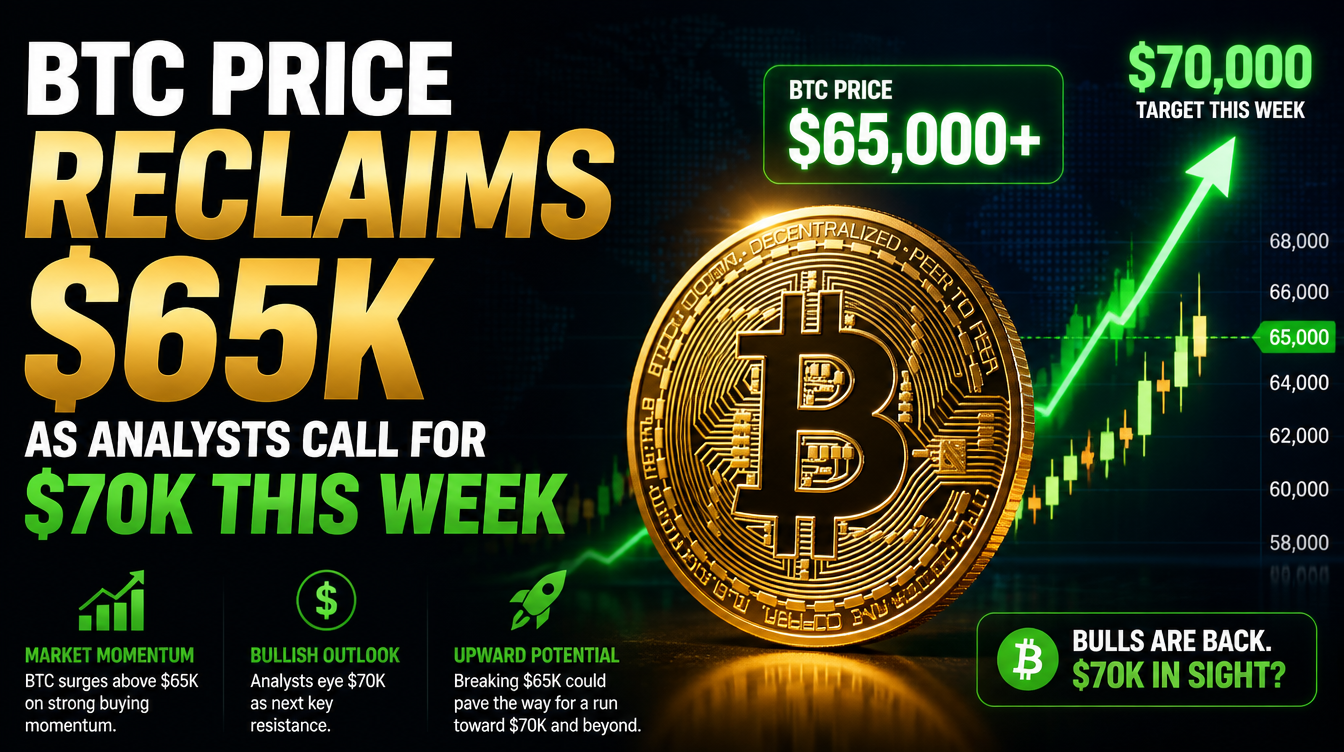
If Bitcoin holds above $65,000, analysts say it could establish a stronger support base and open the path toward $70,000.
Iran’s Waning Influence
The contrast with June 2025 is notable. Back then, similar tensions drove Bitcoin below $99,000 and triggered over $1 billion in liquidations in a single day, largely from long positions.
Now, comparable developments are resulting in far smaller liquidations, indicating that traders are adjusting exposure rather than exiting positions entirely.
Risk hasn’t disappeared—it has evolved. Derivatives markets are reflecting caution through higher implied volatility and increased hedging activity.
The largest concentration of options positioning sits around the $80,000 call strike, suggesting that while traders are protecting against downside, expectations for upside remain strong.
Analysts note that repeated geopolitical flare-ups are losing their ability to shock markets, with each new escalation producing a weaker reaction.
Weekend trading patterns reinforce this trend: dips still occur, but they are becoming shallower and recoveries faster.
South Korea Fuels Market Activity
South Korea has emerged as a major driver in the current cycle. The KOSPI has fallen more than 20% from its June peak, officially entering bear market territory.
Heavyweights like Samsung and SK Hynix—together making up roughly half the index—have amplified the downturn. SK Hynix’s earlier rally followed by a sharp correction reflects growing skepticism around AI-driven valuations.
As equities weakened, Upbit recorded around $4.2 billion in daily trading volume. XRP even overtook Bitcoin in trading volume, signaling a surge in altcoin activity alongside a rising Altcoin Season Index and declining BTC dominance.
However, not all of this represents fresh capital. South Korea’s Financial Supervisory Service reported 1.2 million margin calls, suggesting part of the crypto demand may stem from forced liquidations in equities.
Rotation or Short-Term Bounce?
The key question now is whether this shift into crypto represents a lasting rotation or a temporary rebound.
Digital assets are increasingly drawing interest from investors fatigued by persistent macro and geopolitical uncertainty. While that can support prices in the near term, such flows may remain fragile.
A new macro shock—such as a spike in oil prices that reignites inflation—could quickly challenge current positioning.
For now, markets appear increasingly desensitized to Iran-related risks. Whether that continues will depend less on the source of the next catalyst and more on how unexpected it is.
Share this content: