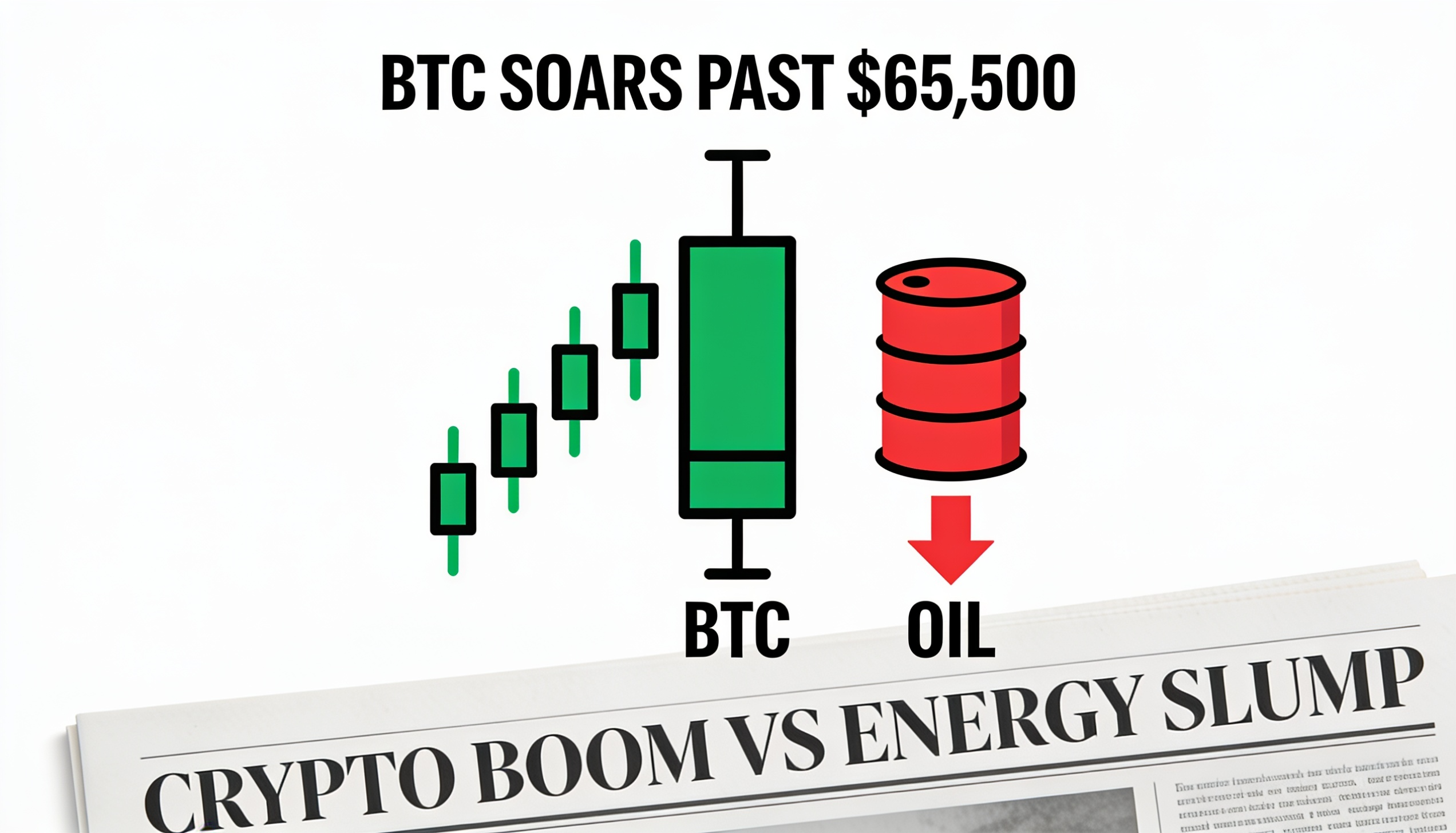
Bitcoin Pushes Above $65,500 as Strait of Hormuz Reopening Boosts Markets
The reopening of the Strait of Hormuz under a peace agreement has effectively removed the geopolitical risk premium from oil and shifted capital back toward risk assets.
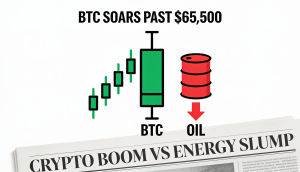
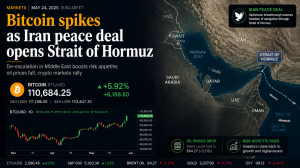
Bitcoin climbed to a near two-week high after the US and Iran agreed to end hostilities and restore shipping through the Strait of Hormuz, easing concerns over energy supply disruptions that had weighed on global markets.
The cryptocurrency traded around $65,844 on Monday, up about 2.1% over 24 hours. It briefly dipped to roughly $63,722 during early Asian hours before sharply reversing once the agreement was announced, according to CoinDesk data.
That move puts Bitcoin roughly 9% above last week’s sub-$60,000 low, its weakest level since October 2024.
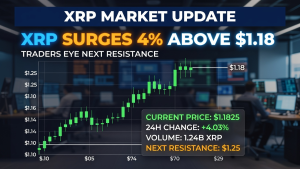
The wider crypto market also moved higher. Ether rose 2.5% to $1,721, Solana gained 3.6% to $71, and XRP added 3.2% to $1.19. Hyperliquid’s HYPE led gains with a 7.5% jump to nearly $65, while BNB and Dogecoin also posted modest gains above 1%.
In traditional markets, Brent crude dropped more than 4% to around $83 per barrel as traders unwound the geopolitical premium that had supported prices since late February. Asian equities rallied over 3%, with Japan’s Nikkei 225 approaching record highs. S&P 500 futures rose 1.2%, while the US dollar weakened against major peers.
The agreement was first announced by Pakistani Prime Minister Shehbaz Sharif, followed by confirmations from US President Donald Trump and Iranian state media. Trump said the Strait of Hormuz would reopen on Friday following formal signing.
While the full text of the deal has not been released, its broad framework had already been widely expected by markets.
Bitcoin’s drop below $60,000 last week was driven by a dual macro shock: rising Iran tensions lifted oil prices, which reinforced expectations for tighter monetary policy and pressured risk assets including crypto. The reversal in oil now effectively unwinds that chain reaction.
However, a key structural concern remains. Strategy’s disclosure that it sold 32 BTC to fund preferred dividend obligations has raised questions about corporate demand strength, challenging assumptions of steady accumulation.
ETF outflows have also weighed on sentiment, and neither of these demand-side issues is resolved by geopolitical easing. The key question going forward is whether institutional inflows return alongside improving risk appetite, or whether Bitcoin’s recovery fades once the relief rally is fully priced in.
Share this content: