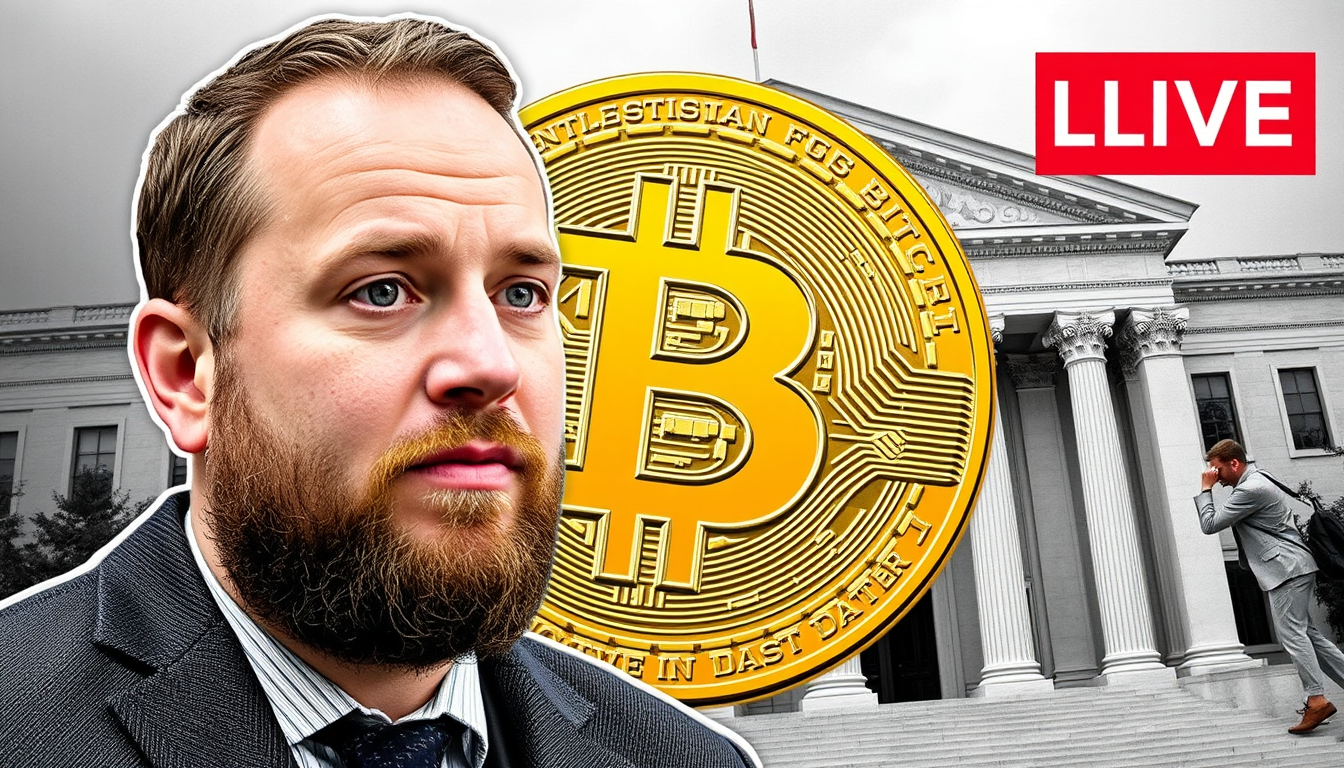
Bitcoin Price at Risk? Fed’s Crypto Bank Blockade Revives Fears of Tougher U.S. Regulation
Bitcoin is struggling to recover from its latest downturn after briefly falling below $73,000, triggering a wave of leveraged liquidations across the cryptocurrency market. The sharp decline has intensified concerns about a deeper correction as investors face mounting economic and regulatory uncertainty.
BTC is currently trading near $73,600 after briefly breaking below the $73,000 level. Ethereum has slipped under $2,100, XRP is approaching $1.05, and Solana is struggling to stay above $82. Meanwhile, cryptocurrency liquidations have exceeded $723 million over the past 24 hours, with bullish traders holding long positions accounting for nearly 79% of the total.
Several factors are contributing to the negative market sentiment. Stronger-than-expected U.S. inflation has increased expectations of Federal Reserve rate hikes, while recent midterm election results have raised concerns about the direction of U.S. crypto regulation. Fresh accusations against the Federal Reserve over its treatment of a crypto-friendly bank have added to the uncertainty.
Why Is Bitcoin Falling? Inflation and Forced Liquidations Weigh on the Market
Bitcoin’s latest price decline reflects growing macroeconomic concerns and widespread liquidations in leveraged trading markets.
October’s U.S. Consumer Price Index (CPI) increased 0.4% month over month, exceeding economists’ expectations of 0.3%. Core inflation, which excludes food and energy prices, also advanced 0.3%, compared with the forecast of 0.2%.
The stronger inflation figures have significantly altered expectations for the Federal Reserve’s next interest rate decision. According to CME rate probability data, the chances of the central bank maintaining its benchmark rate at 3.75%–4% have fallen to zero. This represents a sharp reversal from the previous day, when the probability stood at 16%. It was 17.3% a week earlier and 15.9% a month ago.
Traders are now pricing in an 86.3% probability of a 25-basis-point increase, potentially pushing the target range to 4%–4.25%. Meanwhile, the possibility of a more aggressive 50-basis-point increase stands at 13.7%.
The latest liquidation figures highlight the extent of the market pressure. CoinGlass recorded approximately $732 million in forced position closures across cryptocurrencies during the 24 hours ending November 11. Long positions accounted for $578 million, indicating that traders betting on rising prices suffered the majority of the losses.
Bitcoin has also dropped below its 50-week moving average near $76,100, ending a seven-week stretch above the indicator. The technical breakdown followed significant institutional selling, with U.S. spot Bitcoin ETFs recording approximately $1.28 billion in net outflows over the previous week.
ETF withdrawals, aggressive liquidations and uncertainty surrounding monetary policy have combined to weaken demand for cryptocurrencies. Although some market participants argue that the latest decline does not constitute a full-scale crash, Bitcoin’s loss of important technical support has strengthened the bearish outlook.
Discover: The Crypto Presales This Q4 2026
Gensler 2.0 Fears Return as Federal Reserve Faces Crypto Banking Allegations
Bitcoin’s struggles are also coinciding with renewed political uncertainty surrounding the U.S. cryptocurrency industry. Recent midterm election results have strengthened Democratic influence in Congress, raising questions about the future of digital asset regulation.
The crypto community is increasingly concerned about the possibility of a regulatory environment similar to the one under former SEC Chair Gary Gensler. A return to stricter oversight could create additional challenges for digital asset companies, particularly decentralized autonomous organizations (DAOs), digital asset treasury firms (DATs), memecoins and privacy-focused cryptocurrencies.
JUST IN: 🇺🇸 CFTC Chair says they will “future-proof” crypto regulations.
“We can’t allow Gary Gensler 2.0 to come in and tear it all up.” pic.twitter.com/ik6gt3Xtns
— Watcher.Guru (@WatcherGuru) February 17, 2026
Growing regulatory uncertainty could slow efforts to establish comprehensive rules for the industry. While stablecoin development and tokenization projects may continue under existing frameworks, increased Democratic oversight could complicate new legislation and undermine confidence in the long-term stability of regulatory guidance.
Another controversy involves Old Glory Bank CEO Mike Ring, who has accused the Federal Reserve of obstructing his institution’s planned launch of crypto-integrated banking services at the last minute.
DeFi. The next level of financial freedom. Fly above the Fed! The blockchain is the runway.
Hear CEO Mike Ring explain why. pic.twitter.com/AGlN7sU0Ou
— Old Glory Bank (@OldGloryBank) November 6, 2026
Ring’s public statements suggest that the bank encountered resistance from the central bank while preparing to introduce cryptocurrency-related banking services. He described the setback as further evidence of the Federal Reserve’s opposition to crypto-friendly financial institutions.
Old Glory Bank is reportedly exploring an alternative strategy that would allow it to move forward without relying on the same Federal Reserve approval process. The institution is potentially targeting the first quarter of 2027 for its launch.
Bitcoin Price Outlook: Can BTC Regain the $75,000 Level?
Bitcoin’s near-term direction will depend on whether buyers can overcome the combined pressure from inflation concerns, institutional withdrawals, leveraged liquidations and regulatory uncertainty.
Reclaiming $75,000 could help restore market confidence and provide an early indication that bullish momentum is returning. However, failure to recover this level could leave BTC vulnerable to further selling as traders continue reducing their exposure to riskier assets.
Despite the current weakness, Bitcoin’s long-term investment narrative remains relevant. Concerns about rising government debt, monetary expansion and declining fiat currency purchasing power continue to support the argument for holding scarce digital assets.
For now, traders are closely monitoring Bitcoin’s ability to recover key technical levels while assessing how Federal Reserve decisions and potential changes in U.S. crypto regulation could influence the next phase of the market.
Share this content: