Bitcoin, Ether Unshaken as Gold Weakens on Renewed Geopolitical Strain
Here’s a more refined and fluid rewrite with a crisp, professional tone:
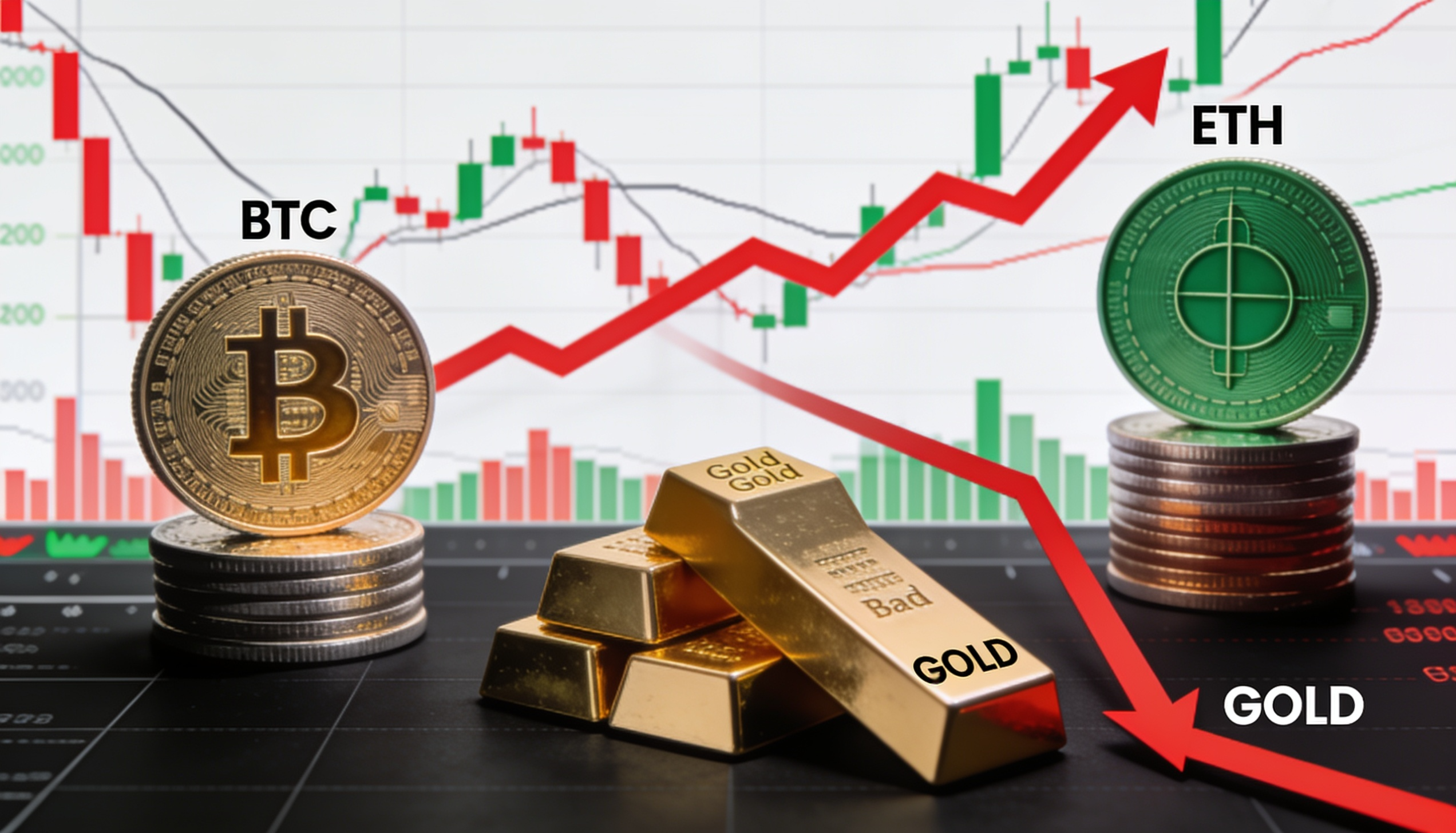
Oil prices rose for a third consecutive day while gold extended its decline to a fourth, as bitcoin maintained a 1.6% gain over the week.
Bitcoin held above $62,000 on Thursday, even as traditional safe-haven assets responded unevenly to renewed geopolitical tensions.
Brent crude advanced 1% to $78.80 per barrel, continuing its upward streak after fresh U.S. strikes on Iran heightened fears of escalation and potential disruption to the Strait of Hormuz.
Gold, in contrast, slid to around $4,060 an ounce, marking its fourth straight day of losses. Government bonds in Japan, Australia, and New Zealand also fell, deepening a broader global selloff, while two-year U.S. Treasury yields edged closer to their 2026 highs.
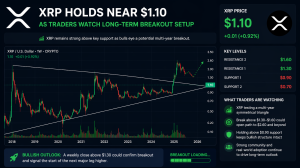
Bitcoin traded at $62,009, down 1.2% over the past 24 hours but still up 1.6% on the week. Ether stood near $1,730, also declining 1.2% on the day but gaining 5.7% over seven days. Solana underperformed at $77.25, dropping 1.8% daily and 1.7% weekly. XRP slipped 0.7% to $1.09, while TRON added 4% over the week. Hyperliquid’s HYPE rose 5.9% weekly despite a 1.2% daily dip.
The escalation reignited inflation concerns and prompted markets to bring forward expectations for interest rate hikes.
On Wednesday, traders shifted their outlook for the next Federal Reserve rate increase to October from December, adding pressure to already elevated valuations following this year’s AI-driven rally in equities. Rising rates weighed on gold, as higher yields reduce the appeal of non-interest-bearing assets.
Bitcoin, however, has not reacted in the same way. Despite an oil surge, a bond selloff, and a more hawkish Fed outlook, it moved just 1.2% on the day—far less volatile than in previous geopolitical shocks. Since February, each escalation has triggered progressively smaller moves in crypto markets.
This suggests a shift in market dynamics. Investors appear to be treating Middle East tensions less as a crypto-specific risk and more as a macro event tied to interest rates. As a result, bitcoin is increasingly tracking short-term yields rather than oil prices.
Market sentiment supports this view. The Fear and Greed Index has risen to 27, exiting a prolonged stretch of extreme fear, though it remains below the neutral 50 level.
The $60,000 level is now the key area to watch. Bitcoin has rebounded from recent lows and held its range despite pressure from rising yields, geopolitical risks, and a global bond selloff.
If bitcoin continues to hold above $60,000 amid further escalation—while gold keeps declining—it could signal a shift away from traditional safe havens. However, a decisive break below that level on similar news would suggest that recent stability reflects lower volatility rather than a fundamental change in how markets are pricing risk.
Share this content: