Bitcoin Confronts 2022 Parallels After Fresh Federal Reserve Hike
Bitcoin’s latest sell-off is displaying similarities to the period before the Federal Reserve began raising rates in March 2022, fueling speculation that the cryptocurrency could see another relief rally before facing renewed downside.
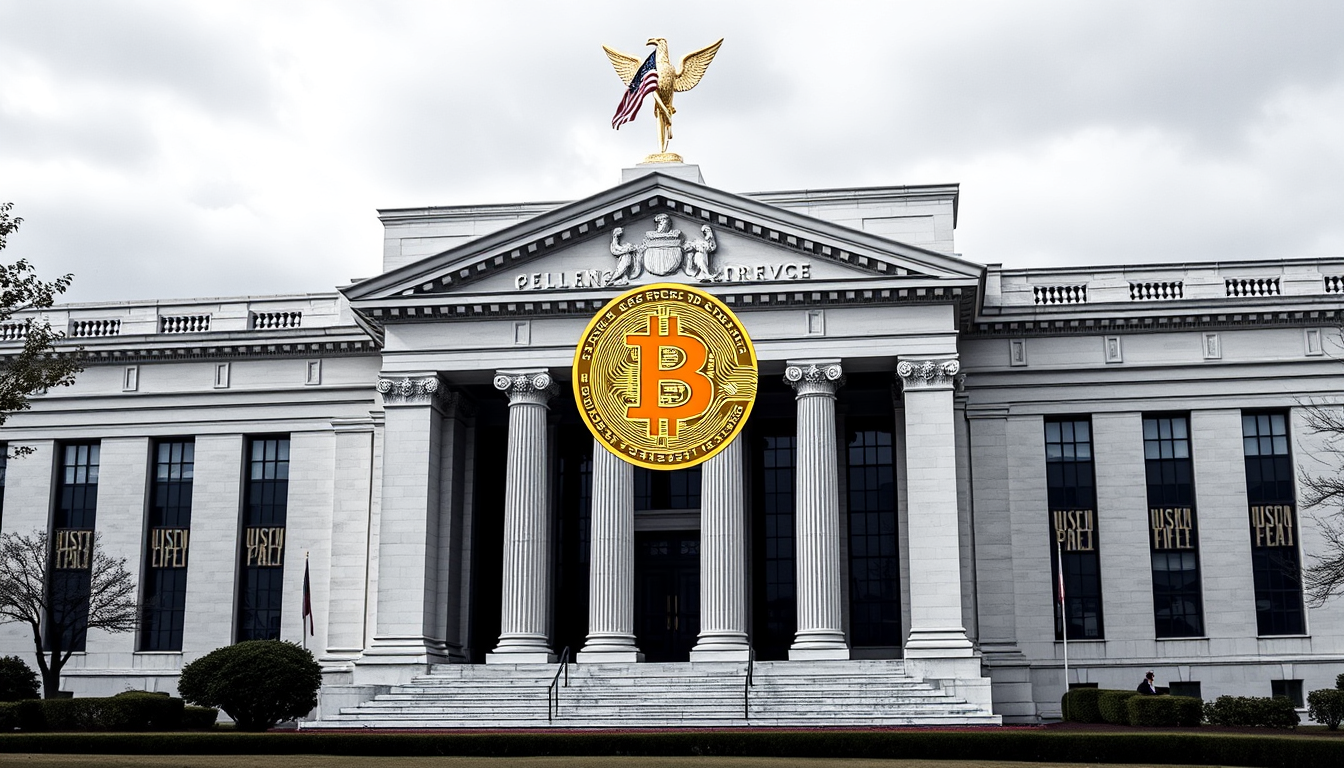
The Federal Reserve increased its benchmark rate by 25 basis points on Wednesday, bringing the target range to 3.75%-4.00%. The move marked the central bank’s first rate hike in more than three years. Markets are currently expecting another 75 basis points of tightening over the next six months.
Previous tightening cycles indicate that the Fed may have more increases ahead. Since 1994, the central bank has completed a tightening cycle after only one rate hike just once. Single increases have likewise been uncommon across the 12 rate-hiking cycles recorded since 1955.
Bitcoin offers a limited historical sample for comparison. Although BTC traded during the tightening cycle that started in 2015, the cryptocurrency market had substantially less liquidity and maturity at the time. The 2022 cycle is therefore a closer reference, given Bitcoin’s more developed market structure.
The resemblance is already apparent in Bitcoin’s price performance. BTC reached about $69,000 in November 2021 before falling roughly 40% by the Fed’s first hike in March 2022. Bitcoin is now also around 40% below its October high of $126,000.
After the March 2022 rate increase, Bitcoin rose approximately 18% over the following 12 days. The recovery did not last, however, with BTC later losing about 50%. This leaves room for a similar pattern in which a temporary rebound is followed by a deeper decline. Still, the comparison is based on only one mature Bitcoin market cycle. The 2022 sell-off also occurred during declines in stocks, bonds and metals, while the crypto sector was experiencing significant turmoil.
Inflation remains an important driver of the Fed’s latest policy decision. Annual headline inflation has stayed above 2% for more than five years, while core inflation, which strips out food and energy, has dropped to 2.4%, its lowest level in five years. The decline indicates that underlying inflation has made some progress.
That progress is being threatened by higher energy costs. Middle East tensions have pushed WTI and Brent crude above $100 per barrel, increasing the possibility of renewed inflation while putting pressure on economic activity. Rising bond yields are adding to the strain, with the U.S. 10-year Treasury yield reaching 5% and further tightening financial conditions for risk assets.
Bitcoin’s bear market is now approaching its one-year mark. With the Fed once again moving toward tighter monetary policy, investors are watching to see whether the renewed rate-hike environment could extend the cryptocurrency’s decline.
Share this content: