A New Bitcoin Cycle Emerges as Long-Term Holders Redistribute Supply to the Market
Here’s another rewritten version with a fresh angle and smoother market commentary:
Bitcoin’s supply structure is quietly changing as veteran holders gradually pass their coins to a newer generation of investors. However, expectations for further Federal Reserve tightening continue to create downside risks that could still lead to a broader market capitulation.
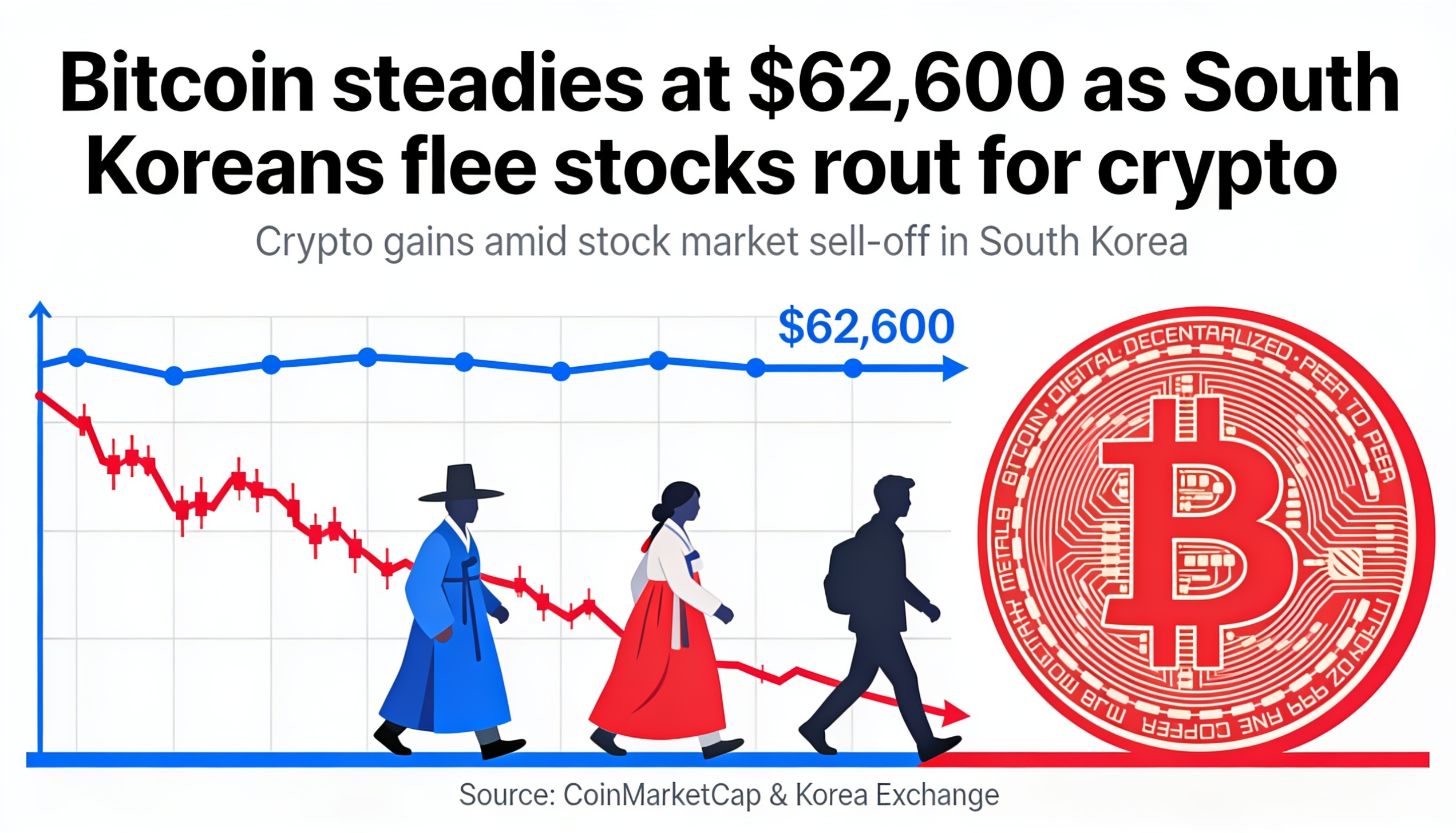
Bitcoin remains about 50% below its October 2025 all-time high of roughly $124,000. Currently trading around $62,000, the cryptocurrency has spent the last five months locked in a consolidation range between $60,000 and $80,000, leaving traders with limited momentum and declining conviction.
Despite the lack of a major price move, blockchain data indicates that an important shift may be developing beneath the surface.
Glassnode’s RHODL Ratio, which compares the amount of Bitcoin wealth held by long-term holders with that held by newer market participants, climbed to 6.5 in early July. The reading marked the second-highest level ever recorded for the metric. Since reaching that level, the ratio has started falling and is now below 6, with the decline occurring during a period of price stability rather than a sharp market downturn.
This pattern is different from the 2022 cycle, when the RHODL Ratio dropped alongside a major selloff after the FTX collapse, sending Bitcoin toward $15,000. Today, Bitcoin continues to hold near $60,000 while ownership shifts occur without signs of widespread fear or forced selling.
The trend points to a gradual redistribution of supply, with long-term holders who accumulated during 2023 and 2024 reducing exposure while newer investors step in, viewing current prices as an opportunity.
However, the same activity can also be interpreted through Wyckoff’s market cycle framework, where experienced investors sell into strong demand during a distribution phase. Such periods can appear before another decline or before the market transitions into a new accumulation phase.
Historical patterns offer some perspective. Bitcoin’s extended consolidation periods near the 2015, 2019, and 2023 cycle lows were followed by major recoveries, with RHODL Ratio compression appearing before each upward move.
The market has now spent five months moving sideways without the sharp capitulation event that many traders have been anticipating.
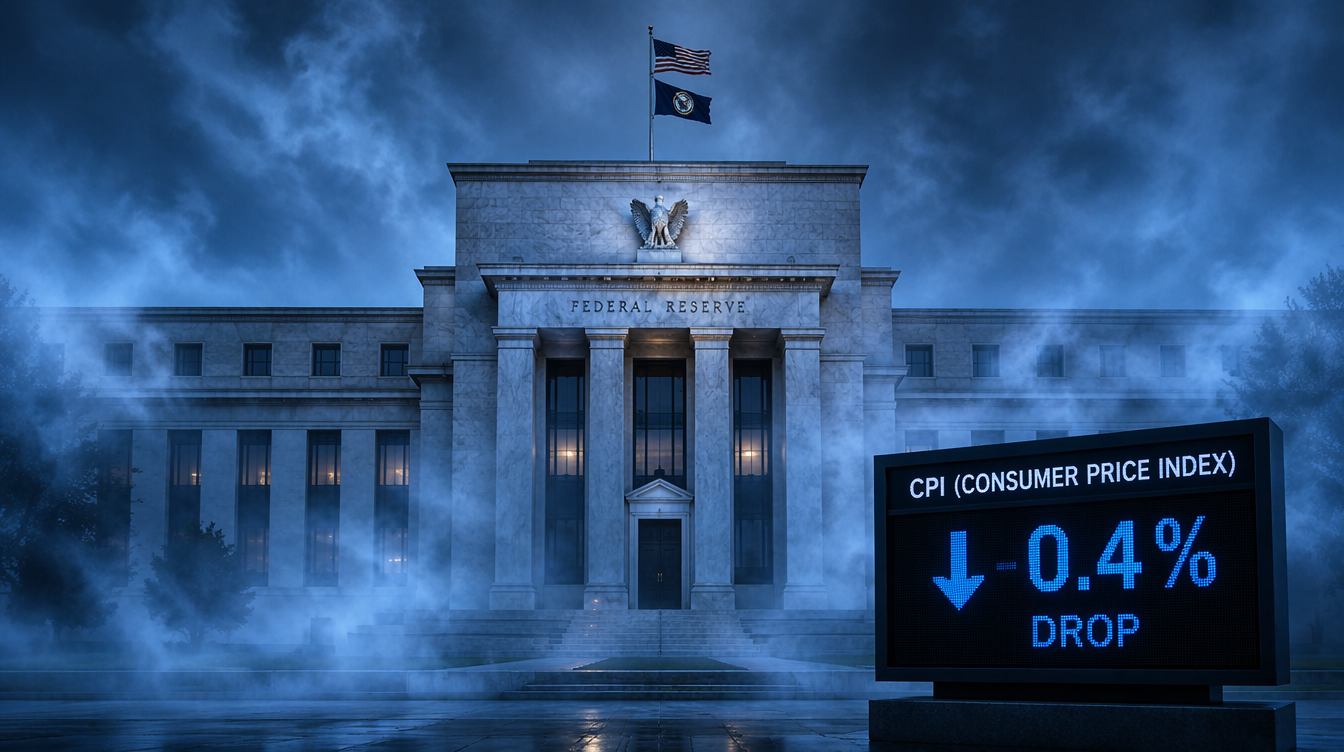
The biggest factor that could disrupt this balance is Federal Reserve policy. Markets are currently pricing in around 50 basis points of additional tightening over the next six months, and any further rate increases could pressure risk assets and potentially push Bitcoin toward new lows before the next major trend develops.
Share this content: