Musk’s Space Computing Ambitions Face New Attention as AI Trade Comes Under Pressure
The U.S. AI infrastructure industry is facing growing uncertainty following the Democrats’ takeover of both congressional chambers, as investors anticipate possible restrictions on new data center projects. Amid concerns about the sector’s future growth, Elon Musk and investor Chamath Palihapitiya have turned their attention to the space economy and its potential for hosting future computing infrastructure.
According to CNBC, Democrat Gina Hinojosa’s projected victory in Texas has further intensified concerns about regulatory changes. Hinojosa supports a moratorium on AI data center construction, a position that could affect a significant portion of the country’s planned infrastructure. Wells Fargo estimates that Texas represents approximately 27% of future U.S. data center power capacity.
The developments triggered selling across several AI infrastructure stocks ahead of Wednesday’s trading session. CoreWeave shares declined approximately 3.3%, Applied Digital lost 3%, and IREN dropped around 4.3%.
The downturn comes after an extended correction across the sector. CoreWeave (CRWV), Cipher Digital (CIFR), IREN (IREN) and Nebius (NBIS) have all fallen roughly 50% to 60% from their previous highs. Investors remain concerned about heavy infrastructure investments, increasing debt obligations and whether future earnings will justify the spending.
Elsewhere, broader market sentiment improved after an initial decline. Invesco QQQ technology futures advanced 0.3% in premarket trading, while Bitcoin recovered above $78,000, gaining more than 1% over the past 24 hours.
Musk and Palihapitiya Explore Space Economy as Data Center Concerns Grow
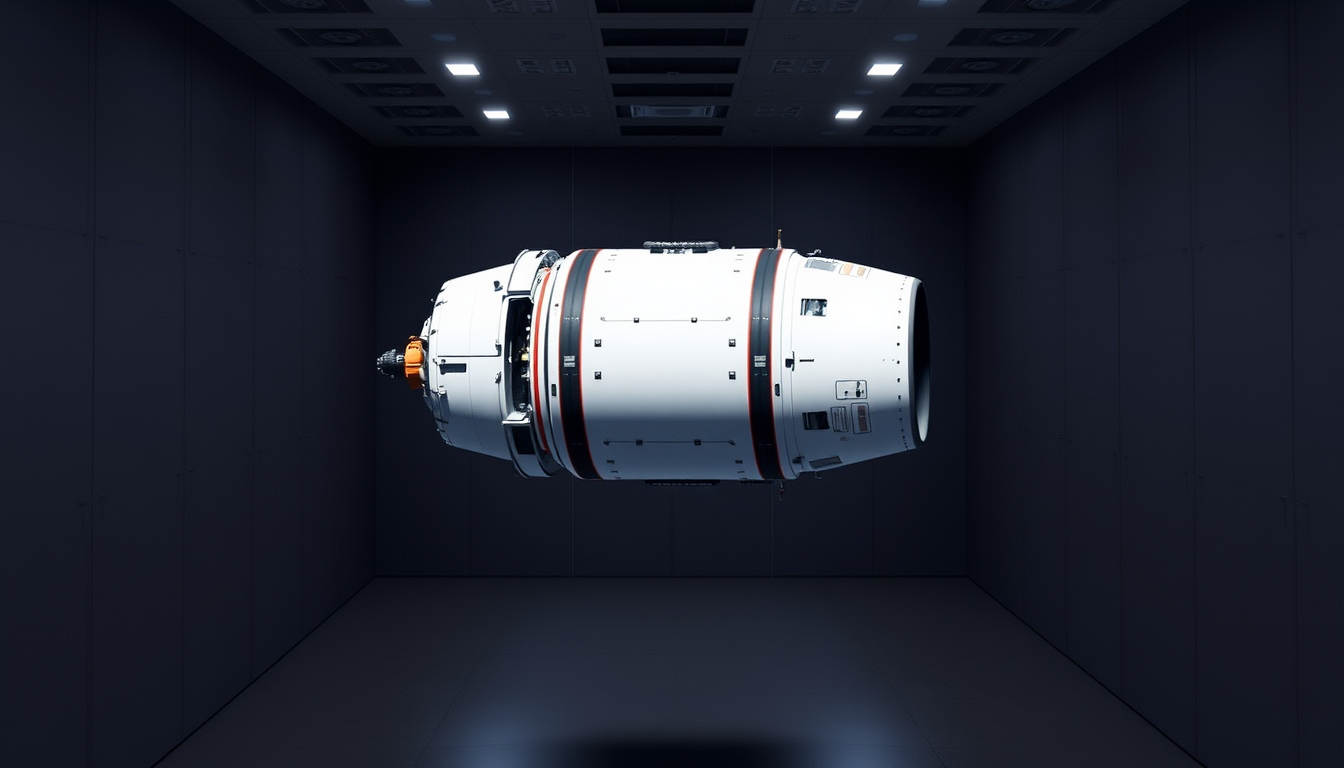
As potential restrictions threaten the expansion of traditional AI infrastructure, Elon Musk and Chamath Palihapitiya have highlighted the investment opportunities associated with space-based technology.
The prospect of tighter rules for data center construction could disrupt an industry that has benefited from Republican support for deregulation and business expansion.
Both entrepreneurs have previously backed Republicans and President Donald Trump. Following the election setbacks, Musk suggested that moving computing infrastructure beyond Earth could become a more attractive solution.
“Data centers in space looking pretty appealing right now,” Musk wrote on X.
Palihapitiya’s latest research also highlighted the rapid growth of the commercial space industry. Private investment in space hardware climbed to approximately $17 billion in 2025, compared with only $500 million in 2012.
However, the market pressure also affected SpaceX (SPCX). Despite completing its IPO in June, the company’s shares declined approximately 4% during Wednesday’s premarket trading.
Share this content: