MONY and JLTXX Feature in JPMorgan’s Growing Solana Tokenization Plans
JPMorgan Expands Solana Integration With MONY and JLTXX Tokenized Funds
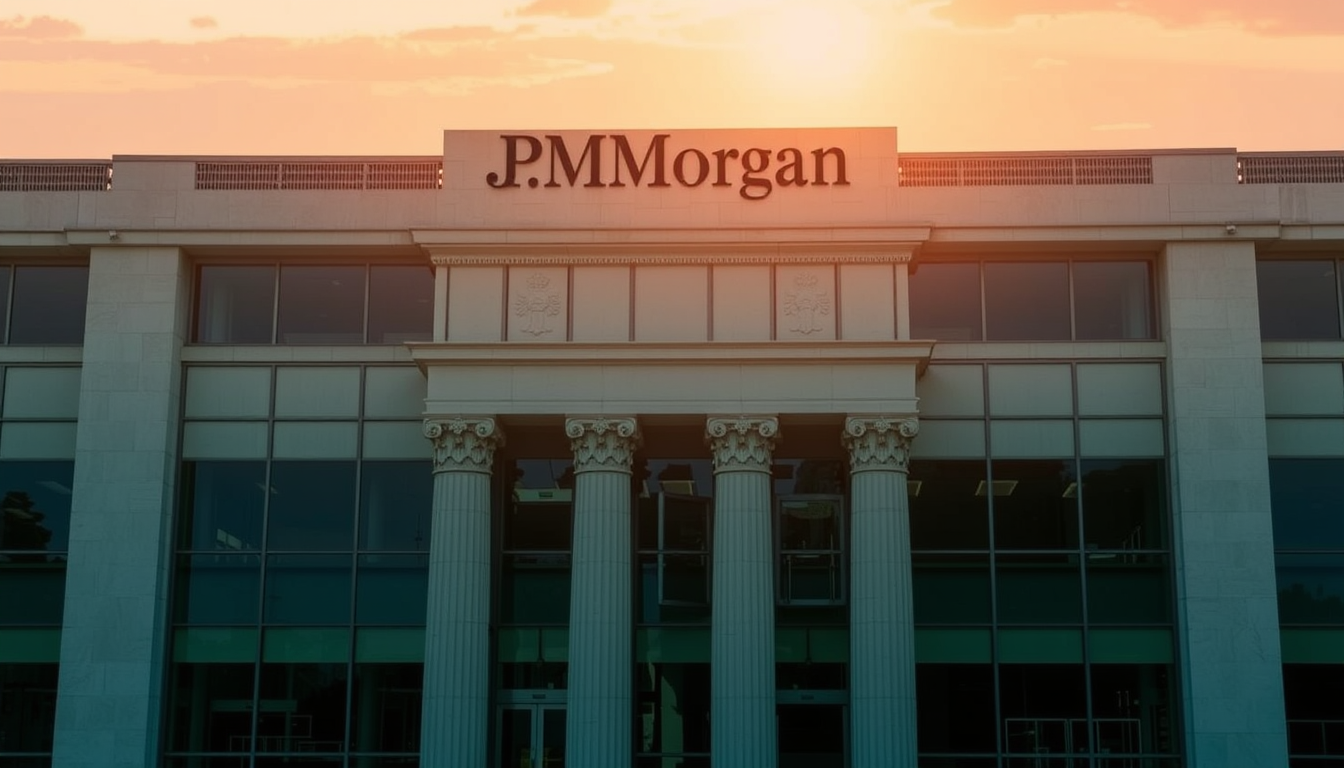
JPMorgan Asset Management is bringing two of its tokenized money market funds, MONY and JLTXX, to Solana, broadening access to blockchain-based investment products for eligible U.S. investors. Both funds are available through Morgan Money, the firm’s liquidity management and trading platform.
The development reflects growing interest from traditional financial institutions in using blockchain networks to distribute financial products. With Solana joining Ethereum as a supported network, JPMorgan is giving institutional clients more options for accessing its tokenized investment offerings.
MONY and JLTXX Become Available on Solana
The expansion involves two funds with distinct investment objectives.
My OnChain Net Yield Fund (MONY), launched in December 2025, is structured as a Rule 506(c) private placement and provides eligible investors with exposure to U.S. dollar yields.
The JPMorgan OnChain Liquidity–Token Money Market Fund (JLTXX) is a U.S.-registered government money market fund designed to serve stablecoin issuers under the GENIUS Act, which establishes a regulatory framework for stablecoins in the United States.
Eligible investors can purchase and redeem fund shares through Morgan Money, with corresponding token balances transferred to their blockchain addresses. Both products remain subject to investor qualification requirements, so their availability on Solana does not extend access to the general public.
Previously deployed on Ethereum, the funds now operate across an additional blockchain network. JPMorgan Asset Management reported $4.8 trillion in assets under management as of September 30, 2026.
JPMorgan’s Move Adds to Solana’s Institutional Appeal
The expansion underscores the increasing overlap between conventional financial markets and blockchain-based infrastructure.
Tokenization allows financial assets to be represented digitally on a blockchain. For money market funds, this can support digital ownership records and asset transfers while connecting traditional investment products with the broader digital asset ecosystem.
JPMorgan Asset Management has explained that supporting multiple blockchain networks helps accommodate clients whose operations span different ecosystems.
Paul Przybylski, the firm’s global head of product for digital and tokenized assets, said the expansion allows institutional investors and stablecoin issuers to access the same funds through the networks they already use.
The initiative could strengthen Solana’s position in institutional finance if more asset managers and liquidity providers introduce similar blockchain-based products. Additional deployments could broaden the network’s role in tokenized financial services.
However, the launch does not automatically translate into higher demand for SOL. Its potential market impact will depend on how much activity the funds generate and whether their operations create additional demand for Solana’s native token.
Can JPMorgan’s Expansion Drive SOL Higher?
With SOL trading near $103, the stated three-month base-case price target is $122.58. Another projection suggests the token could climb to $147.09 by the end of 2026 if market conditions improve.
A more optimistic forecast places SOL at $250 by year-end, matching a prediction attributed to Standard Chartered. From $103, that target would imply a potential gain of around 142%.
JPMorgan’s decision adds another institutional use case to Solana’s growing tokenization ecosystem. If more established financial firms bring investment products onchain, the resulting activity could improve the network’s institutional profile and strengthen market sentiment toward SOL.
Still, institutional adoption alone cannot guarantee price appreciation. SOL’s performance will also depend on broader cryptocurrency market conditions, sustained network demand and investors’ appetite for risk.
The expansion highlights the continued movement of traditional financial products onto blockchain infrastructure. Whether it produces lasting benefits for Solana will depend on whether tokenized funds attract meaningful and recurring activity across the network.
Share this content: