SEC Opens New Path for Venues Trading Tokenized Securities
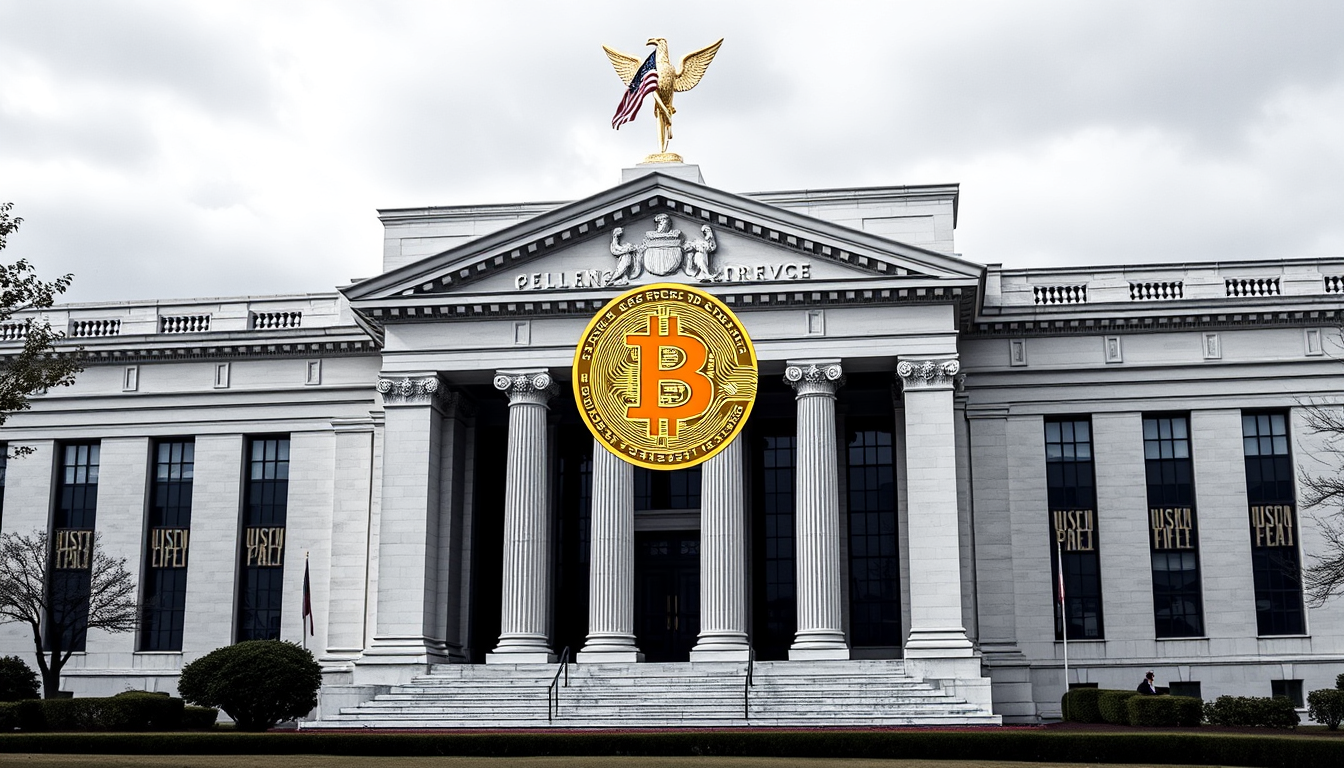
The U.S. Securities and Exchange Commission has introduced a five-year conditional exemption allowing eligible blockchain-based platforms to list and trade tokenized securities without registering as traditional exchanges.
The agency announced the long-awaited policy Thursday, establishing a regulatory framework for tokenized securities venues, or TSVs. Under the new “Innovation Exemption,” qualifying platforms can operate automated market makers and liquidity pools for trading tokenized securities.
The exemption lasts five years and allows eligible venues to avoid falling under the securities-law definition of an “exchange,” provided they comply with the conditions set by the SEC.
TSVs will operate under the regulator’s oversight, managing pools of required assets and using algorithmic systems to coordinate activity between buyers and sellers. The SEC’s order also allows securities to be tokenized either by the original issuer or by a third party, subject to specific requirements.
SEC Chairman Paul Atkins said the initiative would help move U.S. capital markets toward blockchain-based infrastructure.
“The Securities and Exchange Commission is taking a significant step forward, within its statutory authority, to bring America’s capital markets into the digital age by facilitating onchain trading of certain tokenized stocks through the ‘Innovation Exemption,’” Atkins said.
SEC Requires Tokens to Represent Stock Ownership
The new exemption does not cover synthetic security tokens that function as derivatives without conveying ownership of the underlying shares.
Only tokens representing actual ownership of a stock can qualify. Atkins said holders must receive “the same rights and privileges as the traditional securities, including rights to receive dividends and exercise voting rights.”
That requirement could leave out some derivatives and debt products offered by offshore platforms, including certain products associated with Robinhood.
The SEC also does not require platforms to obtain a formal designation before launching. A company that believes it meets the TSV definition and can comply with the exemption’s conditions can instead provide notice to the agency before beginning its tokenization business.
Five-Year Exemption Sets Temporary Framework
The SEC’s policy is deliberately time-limited. Atkins said the exemption allows companies to operate “in a permissioned environment today while the commission considers the need for additional action to facilitate onchain trading.”
He said the temporary approach “must be followed by durable rulemaking to ensure that onchain markets remain a viable pathway as our capital markets continue to evolve.”
The decision comes as tokenization gains traction across Wall Street. The process involves representing traditional financial assets, including stocks, bonds and investment funds, as blockchain-based tokens.
Large asset managers, banks and financial-market infrastructure companies have been expanding their work in the sector. They are exploring potential benefits including faster settlement, 24-hour markets, lower costs and easier distribution of securities. Tokenized assets could also potentially be used more efficiently as collateral.
Citi analysts have estimated that tokenized assets could become a $5.5 trillion market by 2030.
The SEC’s order includes safeguards for companies whose securities are being tokenized. Before tokenizing another company’s securities, a TSV must provide at least 30 days’ notice and give the issuer an opportunity to object.
An SEC official said the issuer could exercise that right simply by communicating its objection.
Tokenization Move Follows CLARITY Act Setback
The SEC had previously held off on the initiative while the Senate considered legislation that could have established a broader statutory framework for crypto-market policies.
That legislative effort stalled Tuesday after the Digital Asset Market Clarity Act received 49 votes, falling short of the 60 required to advance.
After the vote, Atkins wrote on X that the SEC “will act decisively within the SEC’s statutory authority to deliver certainty for American investors and for the entrepreneurs shaping our technological future.”
“Stay tuned,” he wrote Wednesday before the agency followed up with the tokenization exemption the next day.
The SEC has recently advanced several other digital-asset initiatives. Last month, it proposed a major crypto rule intended to create a pathway for certain crypto offerings without triggering some securities-related oversight requirements.
On Sept. 1, the regulator also proposed its first major update to transfer-agent rules in four decades, explicitly addressing blockchain-based systems used to record securities ownership.
The SEC is also scheduled to host a Thursday roundtable examining around-the-clock trading. While 24-hour markets are already standard in crypto, the model could represent a significant change for traditional financial markets.
It remains uncertain whether Congress will eventually pass legislation providing a permanent legal foundation for the SEC’s tokenization strategy. For now, the agency is relying on its existing authority to exempt narrowly defined businesses from certain securities regulations.
Atkins and the SEC’s two other Republican commissioners are using those powers to advance the agency’s approach to digital assets. However, policies established through the current authority could be modified or reversed in the future.
Share this content: