Ethereum’s Next Upgrade Takes Aim at Privacy Alongside 65 Other Proposals
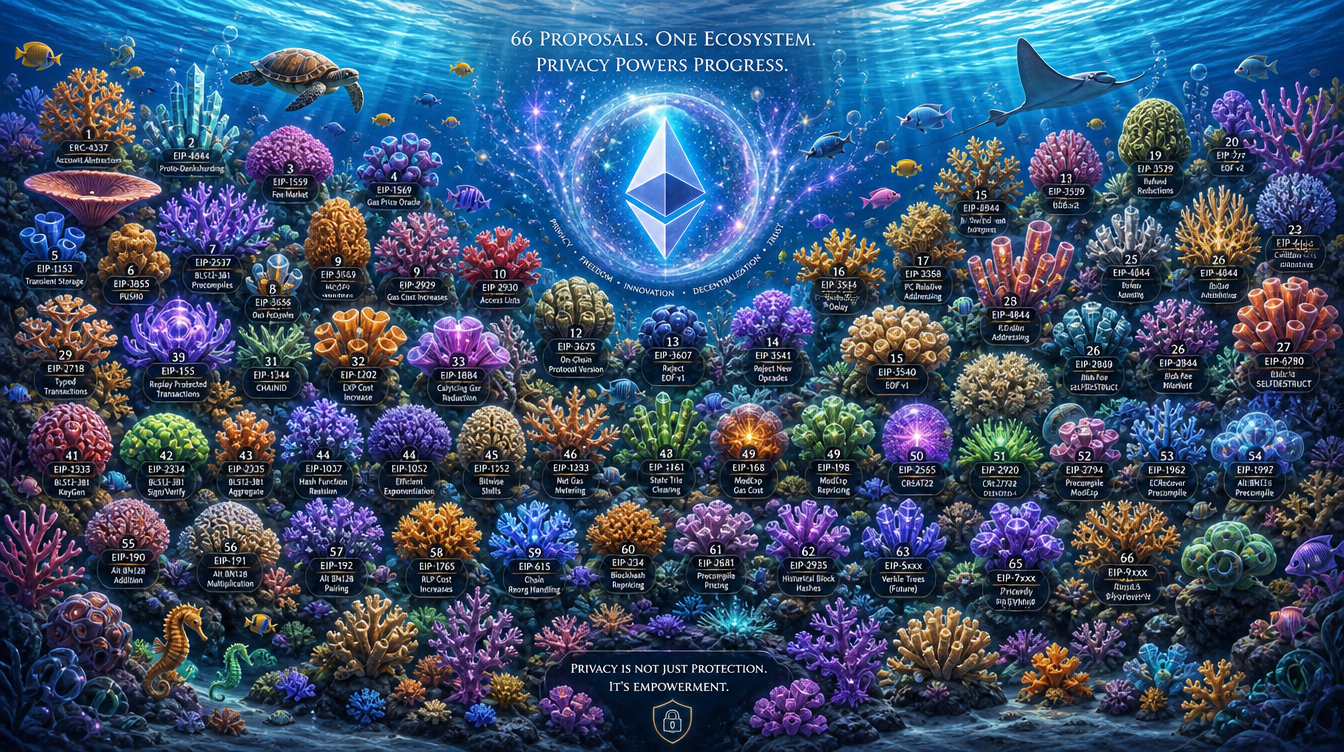
- Ethereum developers are narrowing the 66 proposals being considered for Hegotá, the network’s next major upgrade, with privacy improvements among the most notable changes under review.
- One proposal would give privacy-focused applications more functionality at the protocol level, potentially reducing their reliance on third-party infrastructure.
- Because Ethereum is a public blockchain, wallet addresses, balances and transaction histories can be inspected by anyone. This transparency can create challenges for businesses handling payroll and treasury funds, as well as users seeking greater financial privacy.
- Most privacy features today are provided by applications built on top of Ethereum. The Hegotá proposals aim to bring some of the underlying functionality directly into the network.
- Frame Transactions, or EIP-8141, is one of the main proposals. It would allow accounts to define how transactions are authorized, executed and funded instead of requiring all users to use the same transaction structure.
- The proposed system could support wallets where another party pays transaction fees, multiple actions are combined into a single transaction, or authorization methods are changed without requiring users to move to a new account.
- Ethereum Foundation researcher Toni Wahrstätter, who co-authored EIP-8141, outlined its potential as developers began reducing the list of proposals for Hegotá.
- The 66 proposals will be reviewed during upcoming core developer meetings, with developers selecting those that can realistically be coded, tested on devnets and testnets, and potentially released in 2027.
- Privacy applications already use cryptographic proofs to conceal transaction information, but moving those transactions onto Ethereum can require additional infrastructure. Some systems use relayers, which submit transactions to the blockchain for users.
- Frame Transactions is being considered alongside two related proposals that could address other technical challenges associated with private transactions. Hegotá is expected to follow Glamsterdam and is currently planned for 2027.
- EIP-8250, or Keyed Nonces, would allow transactions from one account to use separate counters rather than relying on a single sequence. This could prevent a delayed transaction from holding up other transactions.
- EIP-8272 would allow transactions to validate themselves against a recent cryptographic record without depending on information that could change while the transaction is pending.
- Together, the proposals could reduce the external infrastructure needed by Ethereum-based privacy applications while giving developers more native tools.
- Ethereum itself would remain transparent. Regular transfers between standard addresses would continue to be visible, with privacy features remaining primarily at the application layer.
- Frame Transactions is still under review and has not been formally approved for Hegotá.
- FOCIL is currently the only proposal approved for the upgrade. It focuses on censorship resistance by allowing a group of network participants to create a transaction list that block builders would be required to include.
- Other proposals target faster block production, changes to validator rewards and preparations for cryptographic systems designed to withstand potential quantum-computing attacks.
- The deadline for submitting proposals ended Aug. 6, and the final Hegotá package will be determined during the next several Ethereum core developer meetings.
Share this content: