Kwasi Kwarteng revisits UK turmoil, warns of fiscal “doom loop,” and turns to Bitcoin
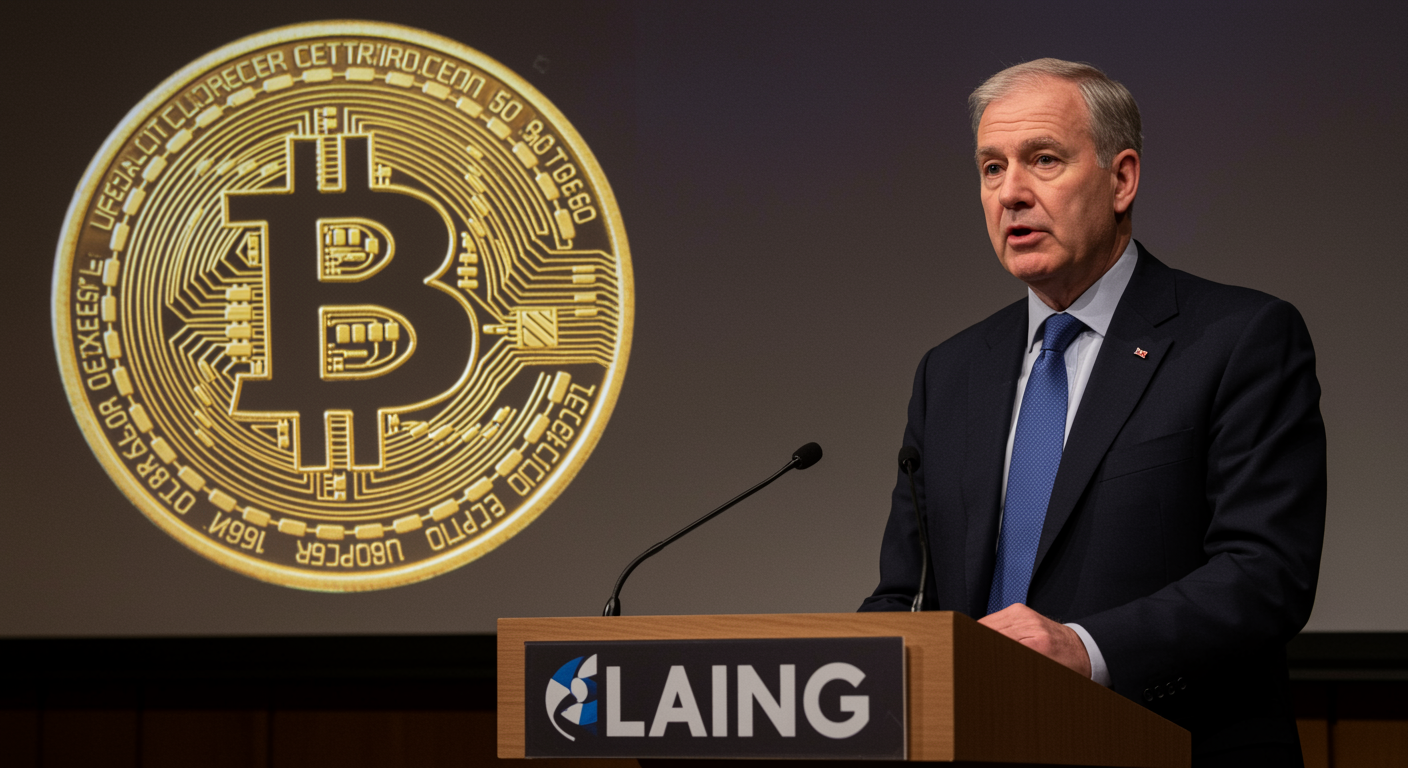
Kwasi Kwarteng, the UK’s former Chancellor of the Exchequer, is re-entering the public conversation with a renewed focus on Bitcoin, monetary systems, and long-term economic strategy. After his brief tenure in September 2022, he is now repositioning himself around broader questions of financial resilience and the future of money.
In a recent interview, Kwarteng reflected on the controversial mini-budget that defined his time in office. He acknowledged the rushed nature of the rollout, noting it came just weeks after taking office and in the immediate aftermath of Queen Elizabeth II’s death. The tight timeline, he said, left little opportunity for proper coordination or scrutiny. The result was a sharp market reaction, with gilt yields surging and weaknesses in the UK pension system—particularly Liability-Driven Investment strategies—coming under intense pressure.
Despite the fallout, Kwarteng continues to defend the broader intent behind the policy. He warned that the UK remains trapped in what he described as a fiscal “doom loop,” where government spending consistently outpaces tax revenues. In his view, efforts to close that gap through higher taxes risk undermining economic incentives and long-term growth.
He also criticized what he sees as a pervasive short-term mindset across both politics and financial markets. According to Kwarteng, decision-making has become overly reactive, driven by quarterly cycles and shifting sentiment rather than sustained, long-term planning.
This perspective now informs his stance on Bitcoin and alternative monetary systems. While in government, he said institutions like the Treasury and the Bank of England were aware of digital assets, but viewed them as too small to prioritize. That hesitation, he suggested, reflects a broader reluctance in the UK to embrace financial innovation.
Kwarteng contrasted this with developments in Europe, highlighting Paris as increasingly progressive in its approach to digital assets. He also pushed back against criticism from former Prime Minister Boris Johnson, who had previously dismissed Bitcoin as a “Ponzi,” arguing instead that emerging forms of money deserve a more open and forward-looking evaluation.
Now serving as executive chairman of UK-based Bitcoin treasury firm Stack BTC, Kwarteng is putting his views into practice. The company currently holds 31 BTC on its balance sheet and is positioning itself within a growing segment of firms adopting Bitcoin as a strategic asset.
Stack BTC has also attracted political interest. Reform UK leader Nigel Farage has taken a 6% stake in the company, adding a new dimension to its profile at the intersection of finance and politics.
For Kwarteng, the move into Bitcoin signals a broader shift—from reactive policymaking toward what he sees as a more durable monetary framework grounded in long-term thinking and structural resilience
Share this content: