Crypto markets ticked higher on Friday, navigating a flurry of tariff headlines after the Supreme Court of the United States ruled President Donald Trump’s global tariff rollout illegal.
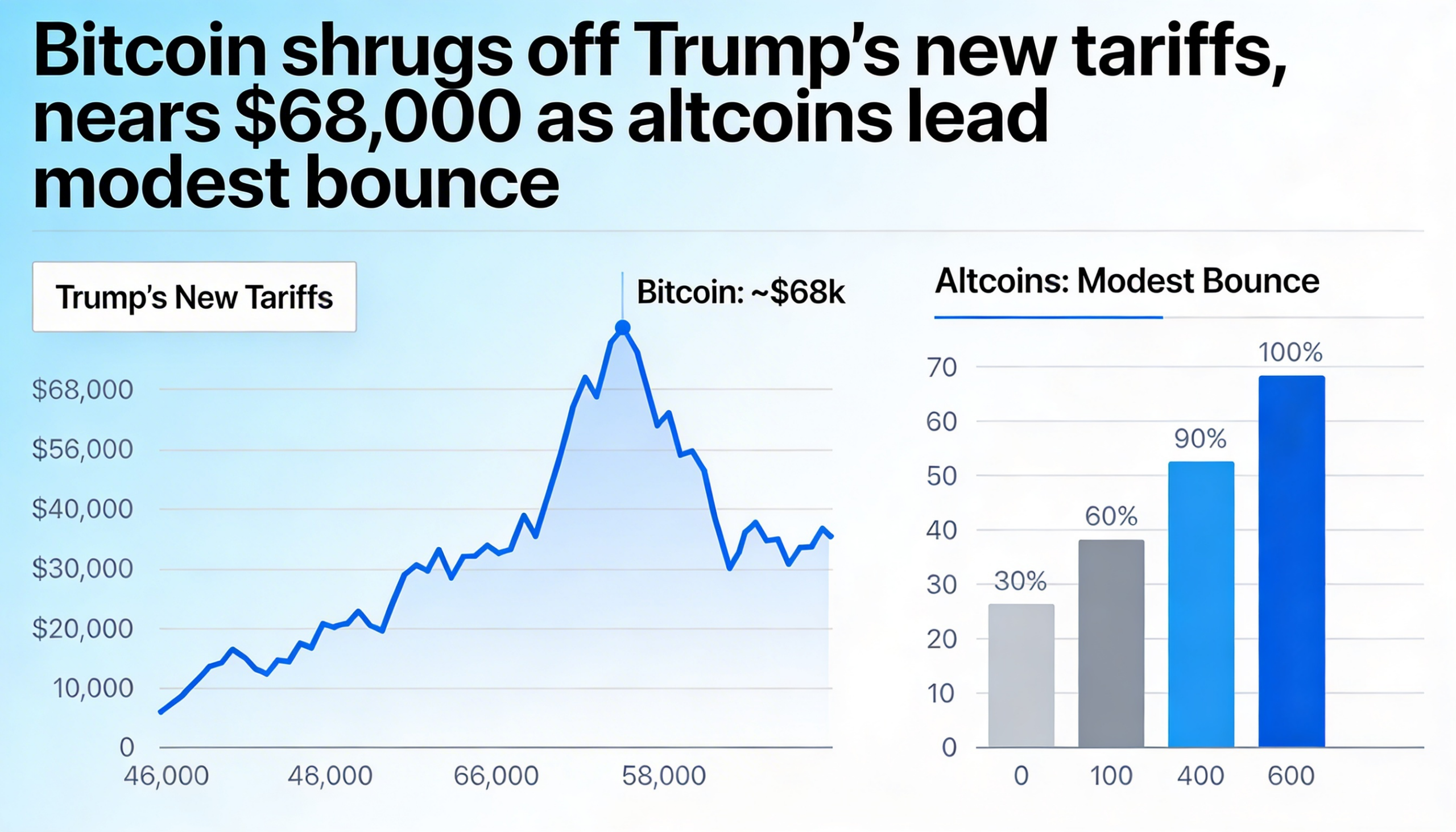
Bitcoin hovered near $67,600 and edged toward the $68,000 mark, while major altcoins posted modest gains.
Tariff drama unfolds
The session began with the Supreme Court’s decision striking down Trump’s tariff regime. The ruling left open questions about previously collected tariff revenue and did not necessarily close the door on the administration’s broader trade agenda, as other legal and executive mechanisms remain available.
Later in the day, Trump announced plans for an additional 10% global tariff under Section 122, set to take effect within three days and remain in place for roughly five months. The new measure, layered on top of existing duties, appeared to have limited impact on overall market sentiment.
Crypto and stocks climb
Risk assets broadly moved higher throughout the session. The CoinDesk 20 Index advanced 2.5% over the past 24 hours, led by strength in BNB, Dogecoin, Cardano and Solana, each posting gains of 3% to 4%. Bitcoin traded just shy of $68,000.
Equities followed suit. The S&P 500 rose 0.9%, while the Nasdaq-100 gained 0.7%.
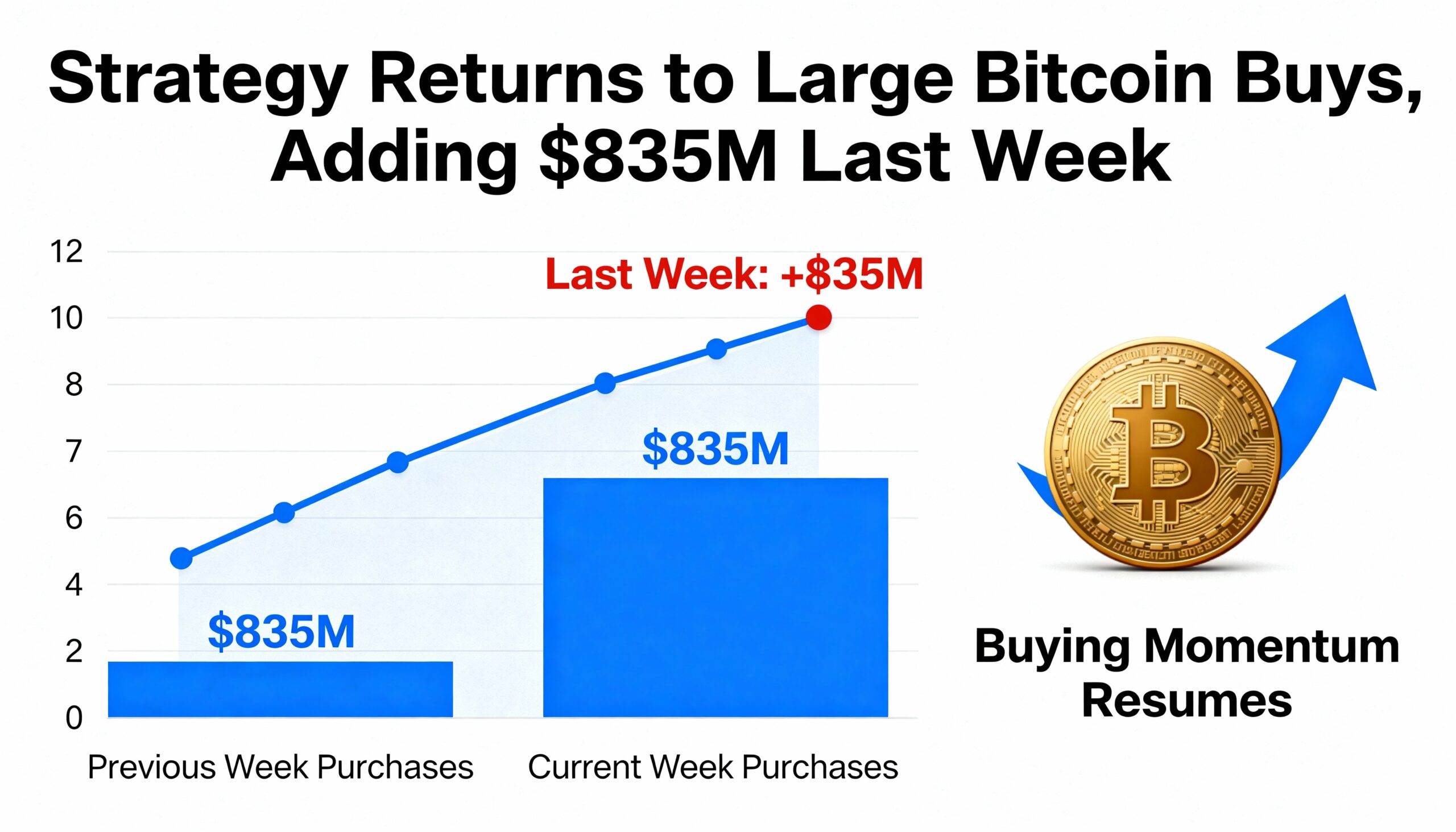
Among crypto-related equities, Coinbase, Circle and Strategy each climbed more than 2%. In contrast, bitcoin miners tied to AI infrastructure expansion underperformed, with Riot Platforms, Cipher Mining, IREN and TeraWulf falling between 3% and 6%.
Rangebound outlook
Paul Howard, director at trading firm Wincent, said the modest rally reflects a narrative that tariffs pose risks to the broader macro environment.
Still, he cautioned that trading volumes remain subdued, limiting confidence in a sustained breakout. Absent a significant macroeconomic or geopolitical shock, he said, crypto assets are likely to remain rangebound in the near term.
One potential wildcard, market participants noted, would be an escalation in geopolitical tensions, including the possibility of U.S. military action against Iran following weeks of regional buildup — a development that could quickly shift risk sentiment across global markets.
Share this content: