Illinois Crypto Tax Faces Legal Challenge From Digital Chamber Alliance
Illinois is facing a legal challenge over its newly approved 0.2% cryptocurrency transaction tax, which is scheduled to take effect next year.
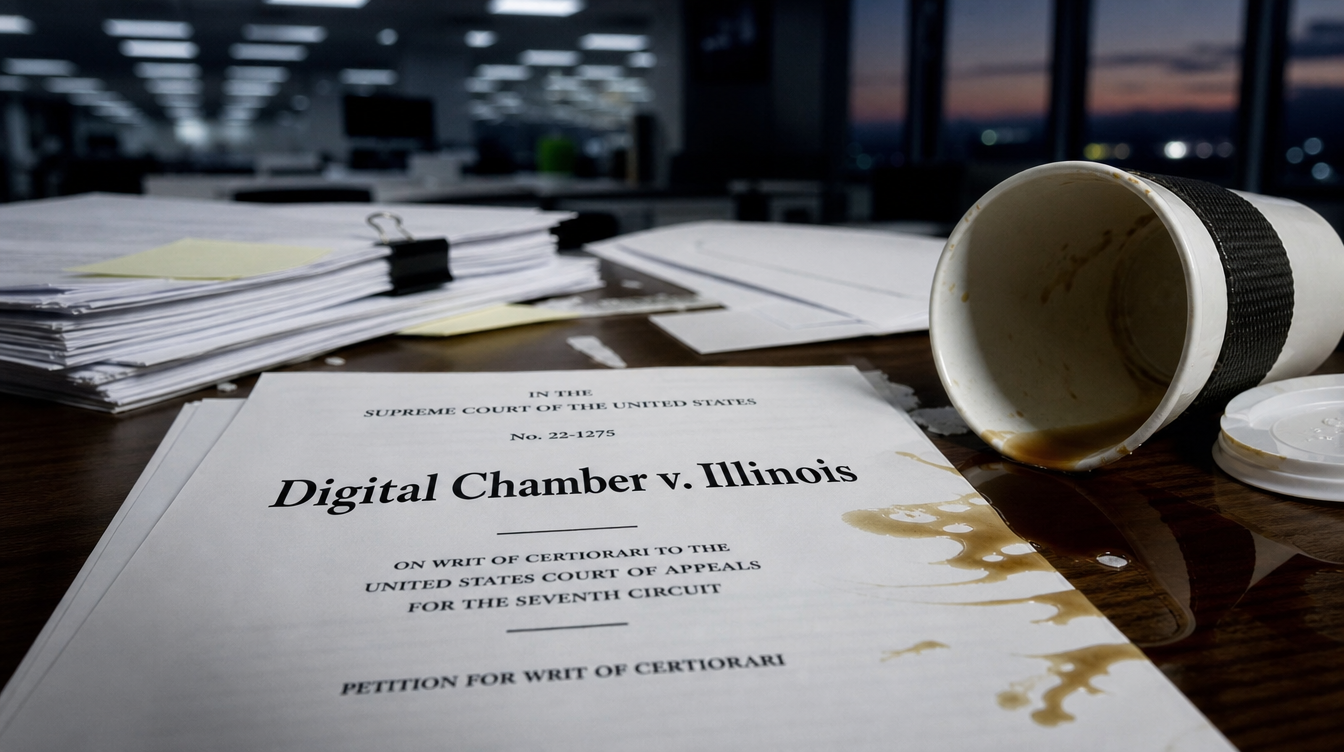
The Digital Chamber, a crypto-focused advocacy organization, has filed a lawsuit against the state, arguing that the tax provision was added to the budget at the last minute and unfairly targets digital asset activity.
The group claims Illinois’ Digital Asset Tax Act violates protections under both the U.S. Constitution and the Illinois Constitution, while also conflicting with federal tax regulations. The lawsuit, submitted Tuesday, seeks to prevent the state from moving forward with enforcement of the tax.
According to the complaint, the measure violates Illinois’ constitutional requirements for consistent taxation and due process. It also argues that the law conflicts with the U.S. Constitution’s Commerce Clause and the Internet Tax Freedom Act by imposing unique tax treatment on cryptocurrency transactions.
The legislation was approved shortly before Illinois lawmakers concluded their yearly session. The tax imposes a 0.2% charge on entities operating in the state or providing digital asset services with more than $100,000 in gross receipts. The rule is set to begin in January.
The Digital Chamber argues that the Internet Tax Freedom Act prohibits discriminatory state and local taxes on electronic commerce, claiming the Illinois measure creates an unfair burden on blockchain-based businesses.
The filing states that the tax does not distinguish between profitable and unprofitable transactions, realized and unrealized gains, or transfers that involve a change in ownership and those that do not. Instead, the organization argues that the law differentiates only between traditional financial infrastructure and blockchain technology.
The lawsuit also claims that federal law recognizes a separation between an asset and the technology used to track ownership, arguing that no other regulatory framework creates a distinction based solely on the underlying recordkeeping system.
The Digital Chamber is asking the court to declare the tax invalid under state and federal constitutional protections, block Illinois from enforcing the law, and require reimbursement for legal fees and related costs.
Share this content: