From Approval to Adoption: The GENIUS Act’s First-Year Crypto Report Card
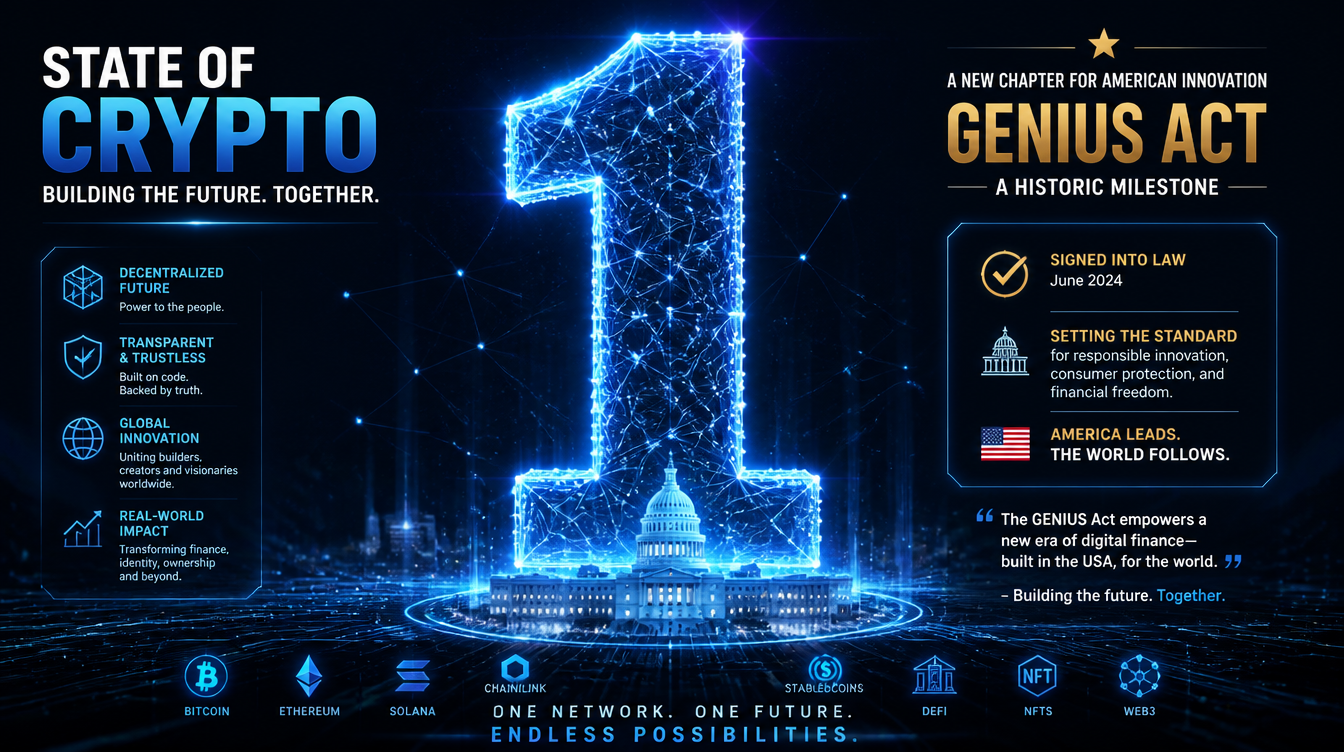
The GENIUS Act, a major U.S. legislative effort focused on stablecoin regulation, has reached its one-year anniversary, marking a key step in the country’s attempt to establish clearer rules for digital assets.
President Donald Trump signed the Guiding and Establishing National Innovation for U.S. Stablecoins (GENIUS) Act into law a year ago, launching the process of creating the first federal framework for stablecoin oversight. However, regulators are still developing the detailed standards that will determine how issuers manage reserves, operations and compliance requirements.
Stablecoin Framework Still Under Development
The GENIUS Act created the foundation for stablecoin regulation by outlining broad expectations around reserve backing, governance and operational practices. The responsibility for turning those principles into enforceable rules was handed to agencies such as the Office of the Comptroller of the Currency (OCC) and the Federal Deposit Insurance Corporation (FDIC).
Although the legislation focuses on stablecoins rather than the entire cryptocurrency sector, it represents one of the first major federal attempts to establish formal oversight of crypto-related activities in the U.S.
A year after its passage, regulators have not completed the final rulebook, but recent proposals have provided more insight into how stablecoin supervision is likely to take shape.
Ji Hun Kim, CEO of the Crypto Council for Innovation, described the law as a major industry milestone, saying it has created a clearer foundation for regulators, financial institutions and technology companies as stablecoins continue moving toward wider adoption.
Regulatory agencies have already begun reviewing key issues through proposed rules and public consultations. Some potential requirements include applying customer verification procedures similar to those used by traditional financial institutions.
The FDIC has sought feedback on topics including stablecoin custody, capital standards and liquidity requirements, while the OCC has outlined its interpretation of the GENIUS Act and how regulated entities should approach stablecoin-related activities.
While implementation remains ongoing, the crypto sector is also closely following progress on the Digital Asset Market Clarity Act, another important piece of legislation aimed at defining broader crypto market rules.
Crypto Market Structure Bill Faces Delays
The final version of the Clarity Act has yet to be released publicly, despite earlier expectations that lawmakers would publish the text. Negotiations have continued as lawmakers work through several unresolved issues.
A major sticking point remains the proposed ethics rules designed to prevent senior government officials from benefiting from their own cryptocurrency-related businesses.
Sources familiar with the discussions said lawmakers had not reached a bipartisan agreement on the issue.
Senator Elizabeth Warren has also called for additional transparency, requesting updated financial disclosures from President Trump covering the first half of 2026. She argued that previous disclosures, which showed more than $1.4 billion in earnings from crypto ventures, may not provide a complete picture of his current financial interests.
Warren said updated disclosures would give Congress more information to address concerns over potential conflicts of interest.
Despite these challenges, lawmakers supporting the Clarity Act argue that the crypto industry needs clearer rules to encourage innovation and provide regulatory certainty.
During a recent House Financial Services Committee hearing, Representative Bryan Steil said the U.S. should move away from enforcement-based regulation and establish clearer guidelines for digital assets.
Steil emphasized that a transparent regulatory framework would help support blockchain innovation while allowing the U.S. to maintain its position as a leader in financial technology.
With stablecoin regulations still being finalized and broader crypto legislation under debate, the coming months could play a crucial role in shaping the future of digital asset policy in the United States.
Share this content: